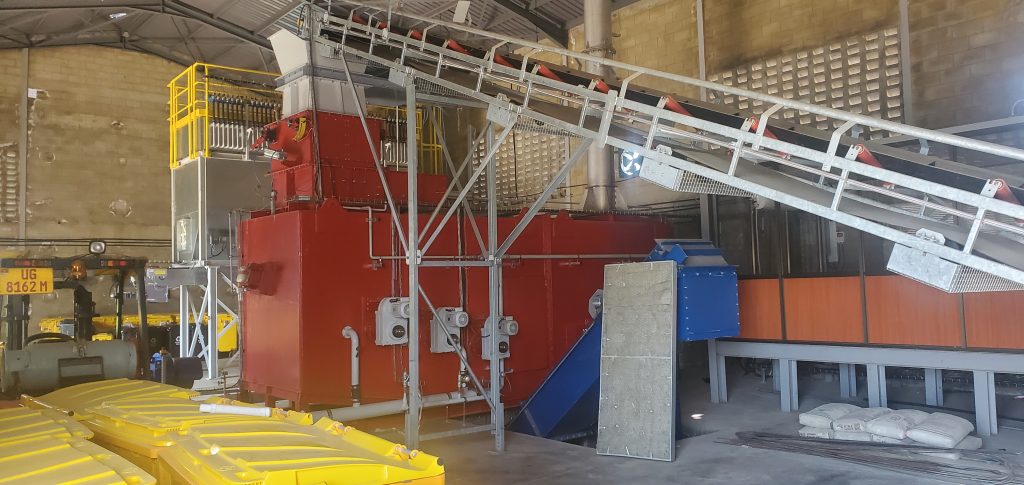
An interior view of the incinerator at Anyaya Parish, Unyama Sub-county.
The incinerator will handle nearly all categories of infectious medical waste, excluding certain recyclable materials such as empty pharmaceutical vials
By reporter
Gulu City.
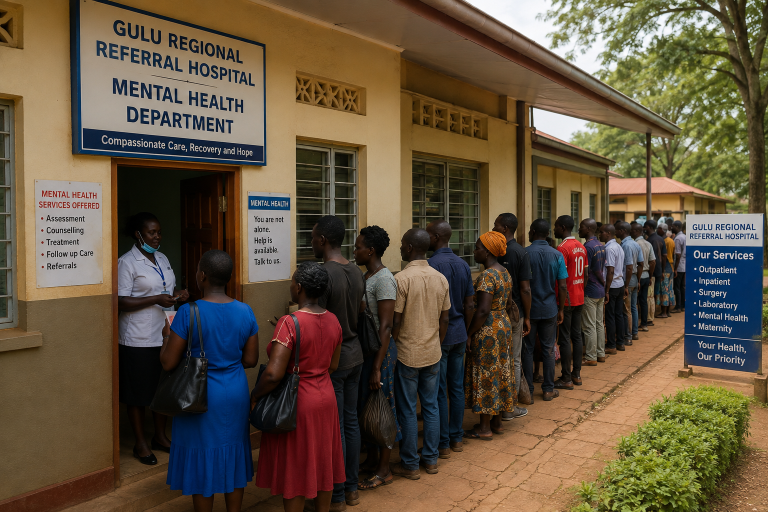
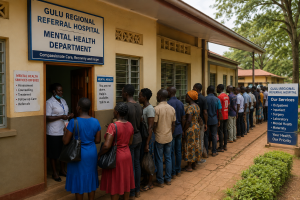
For years, the small incinerator inside Gulu Regional Referral Hospital has served beyond its intended capacity. Originally built to dispose of medical waste generated by the hospital, the aging facility gradually became the primary disposal point for hazardous healthcare waste.
This has always resulted in frequent breakdowns, toxic smoke, environmental concerns, and growing pressure on an already overstretched waste management system.
A modern regional healthcare waste treatment facility under construction at Angaya along the Gulu-Kitgum road is expected to handle the disposal of infectious medical waste from across Acholi, significantly reducing pollution and improving public health.
The facility is among five regional high-capacity incinerators being established by the Ministry of Health with support from the Global Fund as part of Uganda’s efforts to strengthen healthcare waste management systems. Similar facilities are being developed in Lira, Mbarara, Fort Portal, and Kampala.
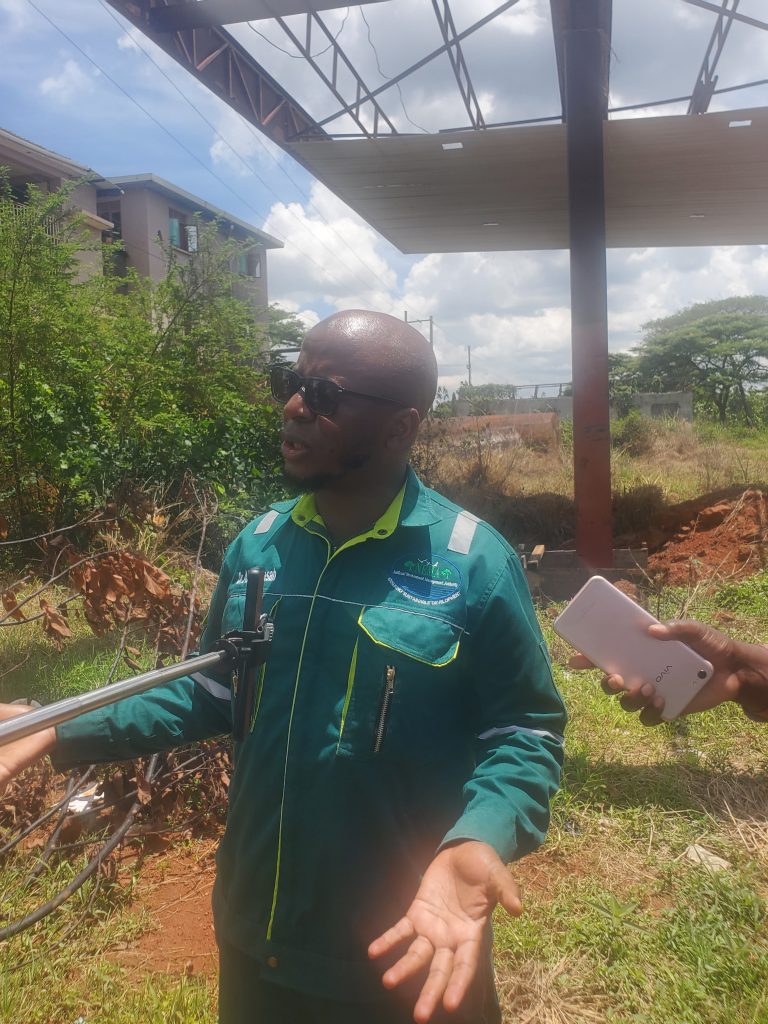
Walter Uriek Wun, the principal administrator of Gulu Regional Referral Hospital, says the new facility represents a major milestone for Northern Uganda.
“I want to thank the Government of Uganda and the Ministry of Health for giving us this regional incinerator. It is being built at Angaya along Kitgum Road, and it is supposed to serve the whole Acholi sub-region.”
He explained that the hospital’s existing incinerator has operated with a limited capacity of between 8 and 15 kilogrammes per burn, forcing it to handle waste volumes far beyond what it was designed for.
“We have been serving almost the entire city. Our incinerator has worked for quite a while, but its capacity has always been small.”
According to Uriek Wun, the situation became more difficult following disruptions in waste collection services after the suspension of some donor-supported programmes.
“When Green Label was stopped because of the executive order, there was a huge crisis in medical waste incineration. The government’s plan B was to establish regional incinerators like this one.”
Reducing city pollution
Once running, the new facility will be a dramatic improvement on the environment around it, which is every evening oozing smoke into the sky.
“The pollution through incineration that we have been seeing in Gulu City will be reduced. We also do not expect medical waste to be littering around,” Uriek Wun notes.
The hospital principal urged private health facilities to coordinate with Gulu Regional Referral Hospital so that all hazardous waste can be safely transported to the new regional facility.
“This is about protecting human beings from infections associated with poorly managed medical waste.”
The Ministry of Health says the regional incinerator is part of a broader national strategy to improve healthcare waste management after years of poor disposal practices exposed communities to dangerous infections and environmental pollution.
Emmanuel Ainebyoona, Senior Communications Officer at the Ministry of Health, said the Gulu facility is expected to serve the entire Acholi sub-region once commissioned.
“What delayed functionality is largely the installation of the power backup system and generator. These components are coming from outside the country because procurement was handled by the Global Fund, which is supporting five regional incinerators.”
According to Ainebyoona, the equipment is being procured through the Global Fund. Once complete, he says, the facility will complement existing hospital incinerators while providing government-owned large-scale treatment capacity.
“This is a modern incinerator that will be environmentally friendly and will reduce pollution linked to healthcare waste destruction.”
Uganda has struggled with healthcare waste management for years. An assessment by the Office of the Auditor General found that many health facilities lacked functional incinerators, forcing hospitals to rely on outdated equipment or unsafe disposal methods.
Poor waste management has been linked to increased risks of disease transmission and long-term environmental contamination.
Susan Namukose, a public health specialist at the Ministry of Health, says the regional facility will eliminate many of those risks. Previously, facilities managed their own waste, and some resorted to open burning
She says that practice exposes surrounding communities to infectious materials and harmful emissions.
“When this facility starts operating, open burning will completely stop. All healthcare waste will be transported here for proper management.”
According to Namukose, centralising treatment will greatly reduce public exposure to hazardous waste.
“When waste is improperly disposed of within communities, it exposes people to different infections. Bringing it here reduces that risk.”
The new treatment plant has been designed to process significantly larger volumes of waste than existing hospital incinerators.
Gloria Namboira, the Treatment Facility Manager, says the facility has a treatment capacity of 450 kilograms of medical waste per hour, making it one of the largest healthcare waste treatment plants in Northern Uganda.
“We have two trucks that will be collecting waste from health facilities before bringing it here. Storage facilities for the waste are also being completed within the compound.
The incinerator will handle nearly all categories of infectious medical waste, excluding certain recyclable materials such as empty pharmaceutical vials. According to Namboira, the technology has been designed to minimise environmental impact.
“This technology is really advanced; it produces very little residue, so the amount of ash remaining after incineration is very small.”
The regional incinerator has taken several years to reach this stage.
The project, initially announced in 2021 with an estimated cost of about Shs19 billion, experienced delays caused by land compensation disputes and procurement of specialised equipment. Construction began in 2022 at Angaya, about 11 kilometres from Gulu City.
Once commissioned, the facility is expected to receive hazardous medical waste from hospitals, health centres and licensed private clinics across Gulu, Amuru, Nwoya, Lamwo, Kitgum, Agago, Omoro, and Pader districts, reducing reliance on small hospital incinerators and replacing unsafe disposal practices.