The study shows an overwhelming 94% of local businesses are already engaged in some form of philanthropic activity
By Willy Chowoo
Gulu City—A new study has revealed strong potential for business-driven philanthropy in Northern and Eastern Uganda, highlighting the growing role of the private sector in supporting community well-being.
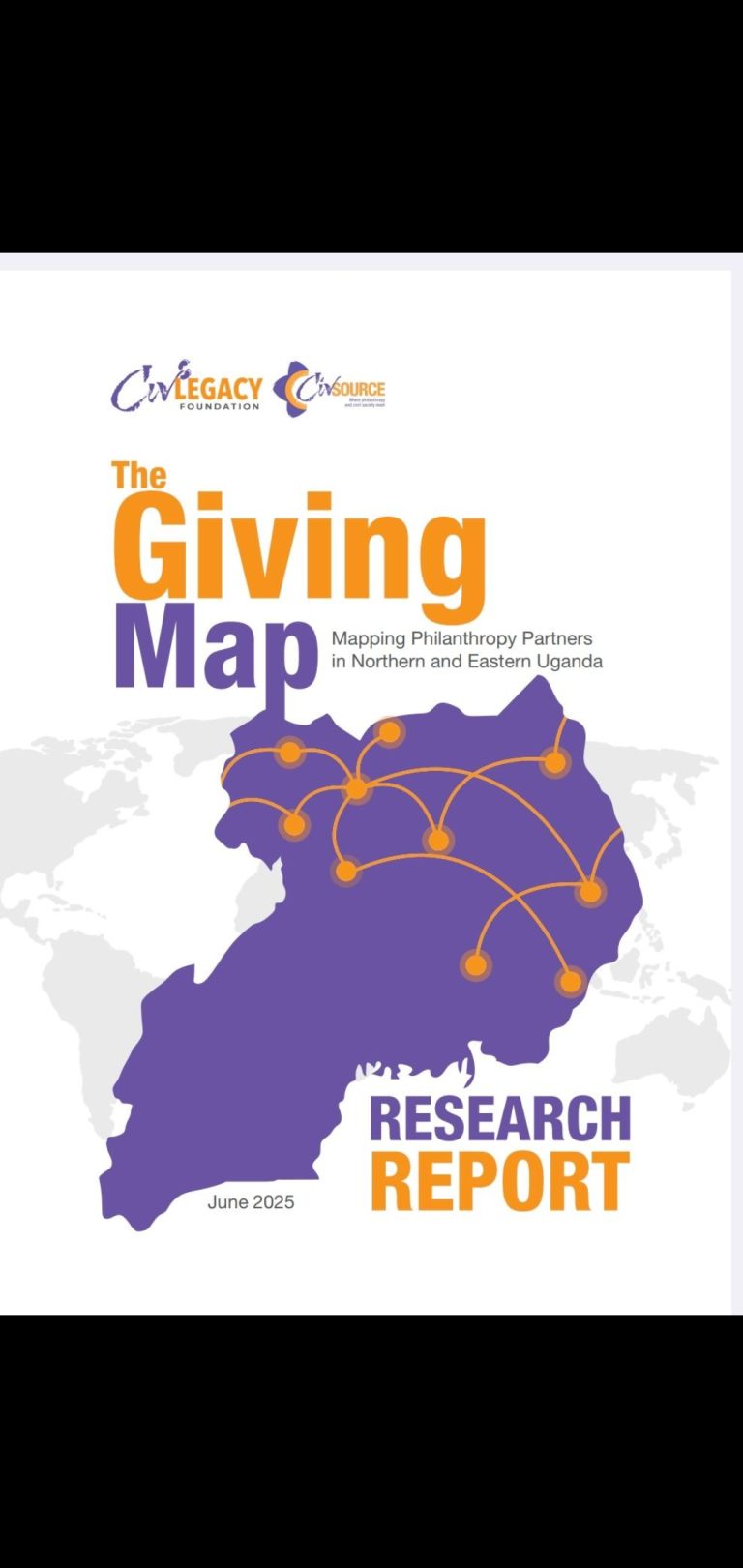
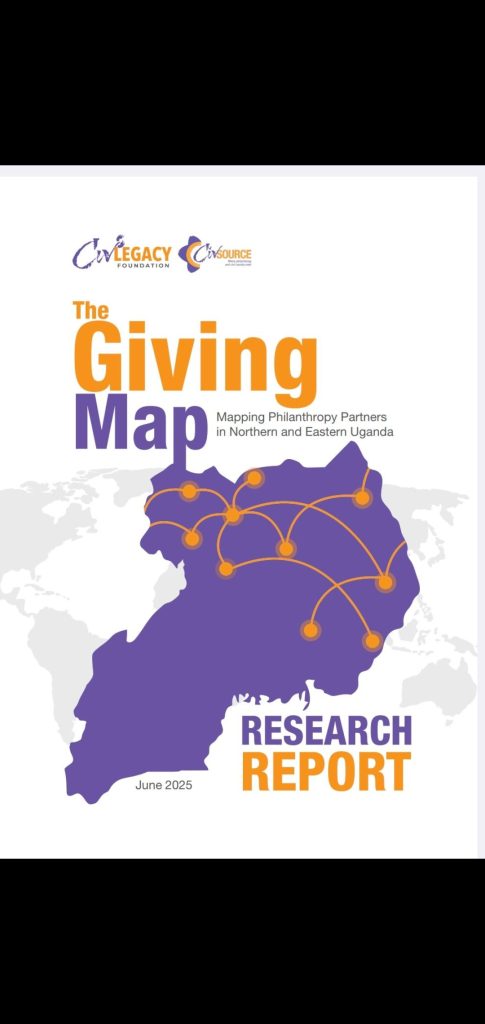
The research, commissioned by the CivLegacy Foundation, focused on mapping philanthropic partners across regions. It found that an overwhelming 94% of local businesses are already engaged in some form of philanthropic activity.
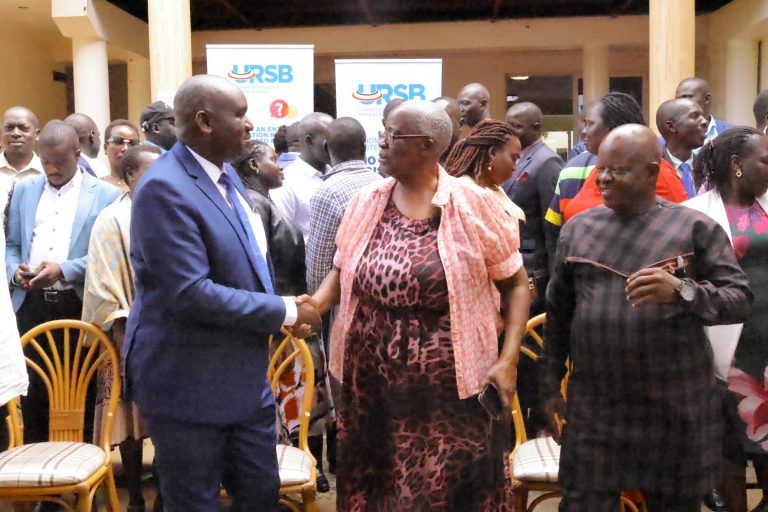
The findings were presented to stakeholders during a recent engagement in Gulu City. Irene Bandaru, the lead researcher, explained that the 34 businesses surveyed demonstrated varying levels of participation across the four districts studied.
Arua recorded the highest level of engagement at 34%, followed by Jinja (25%), Gulu (22%), and Mbale (19%).
Conducted between April and June 2024, the study examined philanthropic practices among businesses in Gulu, Arua, Jinja, and Mbale, with a particular focus on how companies support local causes. Bandaru noted that ownership structures significantly influence how businesses give, including the selection of beneficiaries and the methods used to channel support.
However, the findings also sparked debate among stakeholders.
Reacting to the report, Angwech Pamela, Executive Director of GWED-G, cautioned against the unintended consequences of giving.
“We are living in a society where some people feel very entitled; they feel they should be given,” she notes.
The report emphasises the need for stronger collaboration between businesses, philanthropic organisations, and government agencies to address deeper economic and social challenges.
Odongtoo Francis, Executive Director of Human Rights Focus (HURIFO), highlighted the diversity of motivations behind philanthropy and the need for coordination.
He stressed the importance of aligning these interests to maximise impact, particularly through mechanisms that allow organisations and businesses to pool resources for targeted interventions.
Private sector players also underscored the value of partnerships.
Irene Adakun, General Manager of Bomah Hotel, believes that collaboration is key to regional development.
“Let us feel the importance of the partnership; we are ready to give space to benefit the community and private sector,” she adds.
According to the study, brand marketing and promotion remain major drivers of philanthropic engagement among businesses.
Despite this, Gulu City Deputy Resident City Commissioner for Laroo-Pece Division, Banya Peter, observed that individual efforts still outweigh corporate contributions in some areas.
He encouraged stakeholders to strengthen the culture of giving in ways that create lasting social impact.
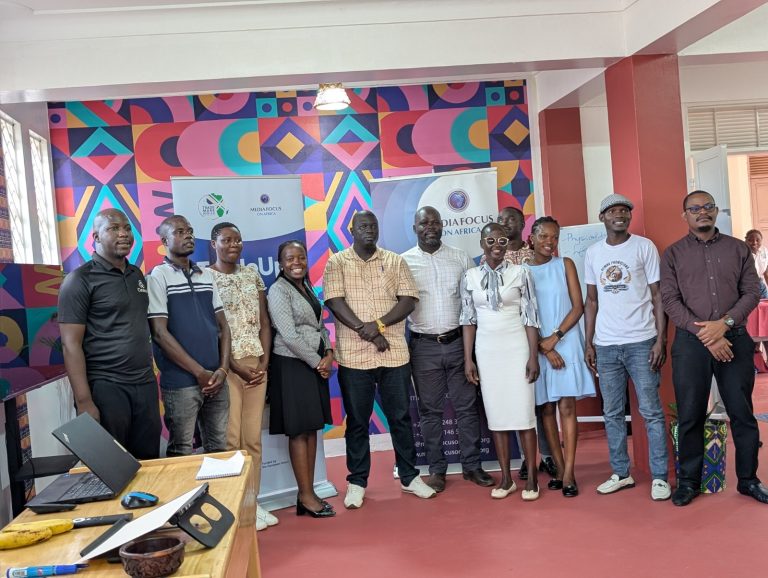
The report was officially launched during a stakeholder engagement meeting on “Building Bridges for Impact,” organised by Gulu NGO Forum in partnership with CivLegacy Foundation.
The meeting aimed to foster dialogue, share knowledge, and promote partnerships based on the research findings.
Robert Ninyesiga, Philanthropy Program Lead at CivLegacy Foundation, noted that collaboration is essential in addressing duplication and improving effectiveness.
“As CSOs, we cannot work alone if sustainable transformation is to be achieved .We need to build relations with local businesses to ensure our interests are aligned. The study findings will continue to inform our actions on how we bridge the gap between CSOs and the private sector,” he added.
Komakech Jolly, Operations Manager at Acholi Inn Hotel, raised concerns about the limited impact of numerous NGOs operating in the sub-region.
She emphasised the need for better coordination between civil society and the private sector to avoid duplication and improve outcomes.
The report further recommends the development of a National Framework on Philanthropy, calling on government, businesses, civil society organisations, and community representatives to work together in promoting more strategic, sustainable, and impactful giving.
Civil society organisations have since expressed commitment to working collectively to support the sub-region’s recovery from the effects of prolonged insurgency.