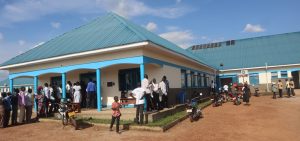
In 2024 alone, the health unit recorded 7,538 outpatient consultations and 117 safe deliveries, with no maternal or neonatal deaths reported.
By Willy Chowoo
For years, residents of Pawat Omera village in Purongo Sub-county, Nwoya District, have faced the challenge of accessing healthcare services, with some patients travelling long distances to reach health facilities, such as Purongo HCIII and Anaka General Hospital.
For expectant mothers, the distance has posed an additional challenge, particularly when seeking antenatal care or requiring urgent medical attention during pregnancy and childbirth.
However, the establishment of Ourka HCIII by The Hunger Project (THP) is helping to bridge this gap by bringing essential healthcare services closer to the community.
“This has helped mothers deliver at health facility, reducing the burden of travelling long distances,” says Akwero Jane, a member of the facility committee.
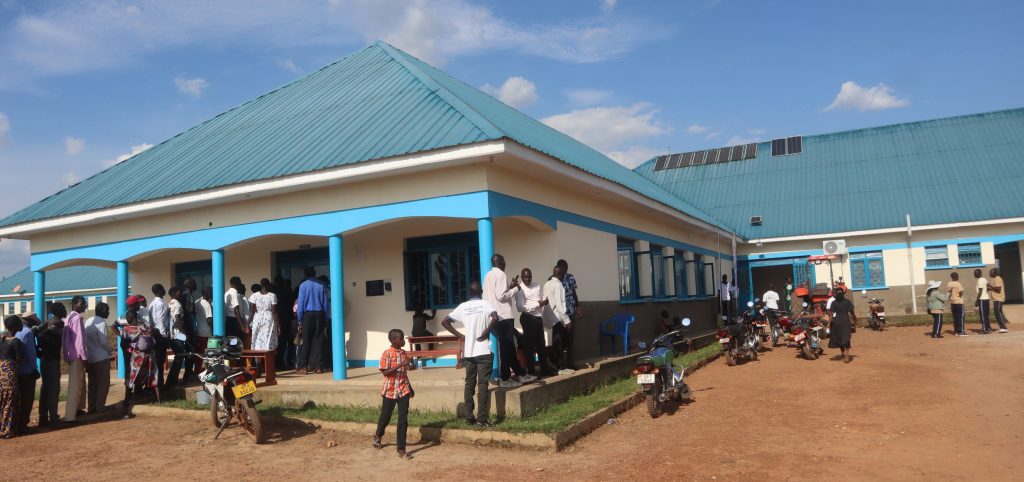
Oruka Health Centre III sits on a 5-acre piece of land donated by the community in the area was opened in July 2023 and registered with the Ministry of Health.
The facility, which was recently handed over to the local community, provides services including antenatal care, maternal health services, deliveries and laboratory testing to support the diagnosis of various illnesses.
It is also equipped with a complete blood count (CBC) machine, which enables health workers to conduct blood tests and support the diagnosis and management of different medical conditions.
The facility is expected to improve access to institutional deliveries, promote early detection of pregnancy-related complications and reduce the need for patients to travel long distances in search of treatment.
In 2024 alone, the health unit recorded 7,538 outpatient consultations and 117 safe deliveries, with no maternal or neonatal deaths reported. It serves an average of 10,000 patients annually.
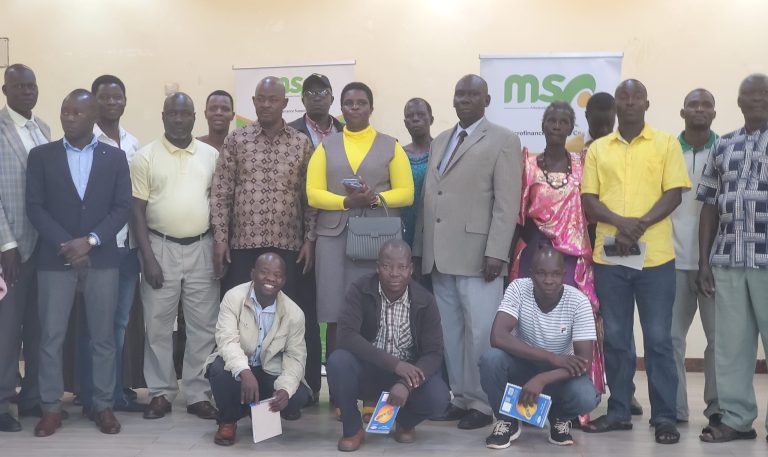
Speaking to journalists during the handover ceremony in Oruka, Irene Naikaali, the Country and Regional Director for Uganda, said the project was established after assessments revealed significant healthcare needs in the area.
Naikaali said the organisation conducted a baseline survey in 2019 and 2020 to establish the community’s needs and identify interventions that would have the greatest impact.
“We needed to reduce the distances of the residents to the healthcare service.” She adds.
The assessment informed the decision to establish the health facility to address gaps in healthcare access and improve the wellbeing of residents.
Naikaali notes that the organisation initially engaged the community through mindset-change activities to encourage local participation and ownership of the project.
According to Naikaali, the organisation invested approximately Sh700 million in establishing the health facility, which is now providing essential services to residents who previously struggled to access healthcare.
“We needed more health workers to be at the HCIII, we believe that the leaders, shall be able to play fruitful role.” She notes.
The intervention is intended to reduce barriers to maternal healthcare, enable early diagnosis of pregnancy-related conditions and facilitate referrals for patients who require specialised treatment.
Government support
Although the facility was established through the project, the government is supporting its continued operation through the deployment of health workers and the supply of medicines through the National Medical Stores.
This arrangement is important for ensuring that the facility continues providing services beyond the initial project implementation period.
The Principal Assistant Secretary PAS, Gerald, said the centre has been coded under National Medical Stores to receive government drugs and allocated staff to the health facility.
The handover also places greater responsibility on the community to protect the facility, support its management and ensure that the investment continues benefiting residents.
Okot William, a member of the facility’s management committee, said the establishment of the health centre had helped address some of the challenges that previously affected residents seeking treatment.
Okot noted that bringing services closer to the community had reduced the burden of travelling long distances to access medical attention.
The district chairman Okello Patrick Oryema says they will continue to monitor the epicenter handed over to the communities.
“We are going to have a close monitoring and supporting the hub to the best of our level.” Oryema notes.
The facility is also helping residents obtain timely treatment for common illnesses, including malaria, which has been a concern in the area.
Improving maternal healthcare
For expectant mothers, the availability of antenatal services and delivery care within the community offers an opportunity to seek medical attention without having to travel as far as before.
Akwero Jane, a midwife and the facility’s in-charge, said the health centre receives mothers seeking delivery services and provides care to pregnant women.
The facility’s services are expected to encourage more mothers to deliver under the supervision of skilled health workers, reducing their exposure to risks associated with home deliveries without skilled assistance.
Antenatal visits also enable health workers to monitor pregnancies, identify potential complications early and refer mothers who need specialised care to higher-level health facilities.
However, the full impact of the intervention will depend on the facility’s ability to maintain adequate staffing, ensure consistent supplies of essential medicines and sustain the availability of laboratory services.
For the community of Purongo and neighbouring villages in Purongo Sub-county, the health facility represents an important step towards reducing geographical barriers to healthcare.
With government support and community ownership, the investment could help improve access to essential health services and maternal care for residents who have long faced difficulties reaching medical facilities.
Access to Clean Water
Alongside the health facility, the organisation invested approximately Sh482 million in a water project to improve access to clean and safe drinking water for surrounding communities.
Access to safe water is expected to complement the health intervention by helping households meet their daily water needs and supporting better hygiene and sanitation practices.
The solar-powered water project 20000 litre that is now supplying the entire village improving access to clean source of drinking water.
“When we started work with the district, water was a very big challenge.” Naikaali adds.
Besides the solar-powered water systems at its Epicentre, The Hunger Project (THP) has drilled new boreholes, repaired existing ones and constructed protected water wells in surrounding communities to improve access to clean water.
Lakwo Tony, a programme officer at THP’s Oruka Epicenter, said the organisation had drilled 11 new boreholes, repaired four existing ones and constructed six protected water wells across the villages serving 5,353 people.