He said cabinet’s earlier decision to roll out an Shs80 billion restocking programme in the Teso, Lango, and Acholi sub-regions can wait until after the elections to allow for the development of clearer and more inclusive modalities
By Willy Chowoo
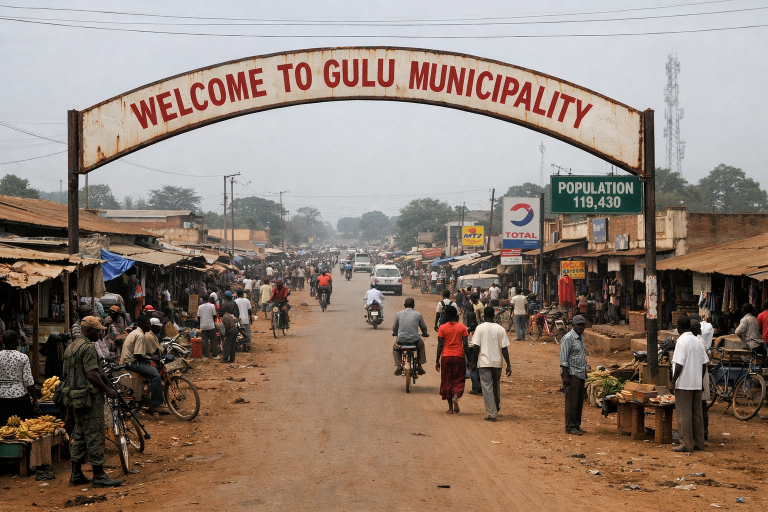
Gulu City
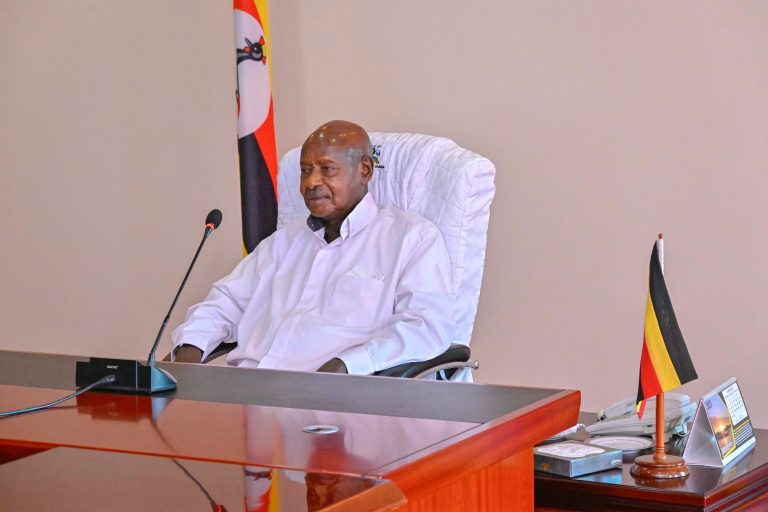
President Yoweri Museveni has suspended the planned livestock restocking programme for Northern Uganda until after the upcoming elections, citing the need for fresh cabinet guidance and the resolution of legal and administrative concerns.
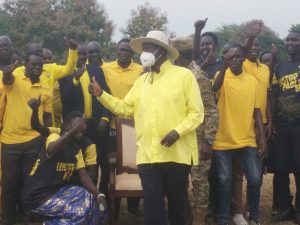
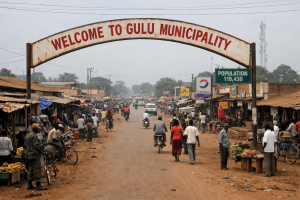
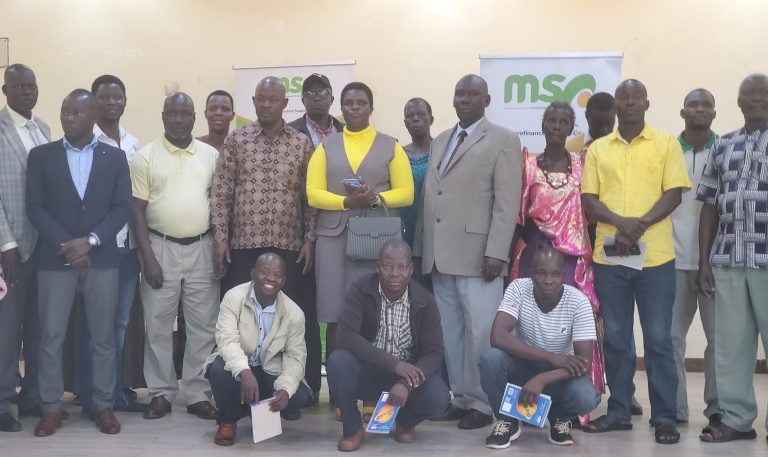
President made the announcement on Friday 9th while meeting the National Resistance Movement (NRM) leaders from the Acholi sub-region and Adjumani District in Gulu City. He said cabinet’s earlier decision to roll out an Shs80 billion restocking programme in the Teso, Lango, and Acholi sub-regions can wait until after the elections to allow for the development of clearer and more inclusive modalities.
According to President Museveni, Acholi Sub-region requires special consideration because it bore the brunt of the over 20-year Lord’s Resistance Army (LRA) insurgency, during which most households lost livestock and property. The conflict, he noted, was compounded by prolonged cattle rustling from the Karamoja sub-region, leaving many communities economically devastated.
He said the suspension would give the government more time for proper planning after elections on a better modality on how Acholi sub region can restocked since they suffered most the brunt of the war.
“Let the money stay in account, we shall have proper time to discuss the modalities for all of us,” President ordered
The President explained that delays in implementing the restocking programme in Northern Uganda were partly caused by legal challenges raised by lawyers representing war loss compensation claimants. These legal issues, he said, forced government to slow down the process to avoid mistakes and duplication.
During his campaign tour of Acholi Sub-region in October 2025, President Museveni had pledged that government would provide five cows to each household in Lango, Acholi, and Teso sub-regions. He said this intervention would go hand in hand with the ongoing compensation of verified war loss claimants.
The President reaffirmed that government remains committed to compensating all verified claimants from the three sub-regions, insisting that both restocking and compensation will be implemented once proper guidelines are agreed upon.
Initially, cabinet had resolved that households would receive cash instead of livestock. Under this arrangement, each cow was valued at Shs1 million, meaning each household would receive Shs5 million. Government subsequently released Shs80 billion to kick-start the first phase of the programme.
However, figures from the National Housing and Population Census 2024 show that the combined sub-regions of Teso, Lango, and Acholi have 1,531,307 households. At the proposed rate, the Shs80 billion allocation can only support about 52,243 households, leaving more than 1.47 million households unserved in the first phase.
Based on household figures from the National Housing and Population Census 2024, the government’s restocking programme would require an estimated Shs 7.7 trillion to cover all eligible households. Of this amount, the Lango sub-region would take the largest share at Shs 2.9 trillion, followed by Teso with Shs 2.5 trillion, while the Acholi sub-region would require approximately Shs 2.3 trillion