According to nutritionists and food technologists, solar-dried fruits are healthy snacking options with nutritional value.
By John Okot
Michael Ochaya, 13, loves snacking on dried sweet bananas at school. The dried fruits, he says, are his favourite treats during breaks and lunch.
“They are tasty and satisfying,” he says in Acholi language, giggling. “My friends always ask me to bring more and more to school.”
Ochaya’s father, Francis Okumu, owns a three-acre orchard in Pader district. He grows mostly sweet bananas, mangoes, and pineapples.
Last year, Okumu bought a solar dryer to preserve his fruits from spoiling. He used to lose a lot of fruit during harvest because he couldn’t keep it fresh long enough.
Okumu has been selling the solar-dried fruits in markets, churches, and village events, but his community hasn’t warmed to them.
“Few people buy my [dried] fruits,” he says. “My son and I end up enjoying the leftovers at the end of the day. I think dried fruit is something that people here need time to get used to.”
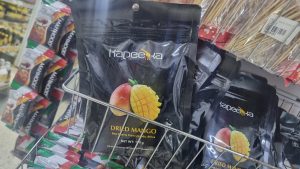
Okumu’s story is not uncommon in Uganda. Uganda experiences bountiful seasons of fresh fruits in most parts, and so most people don’t see dried ones as a smart snack choice. Some also still hold on to the belief that the heat from the sun kills micronutrients in the fruits.
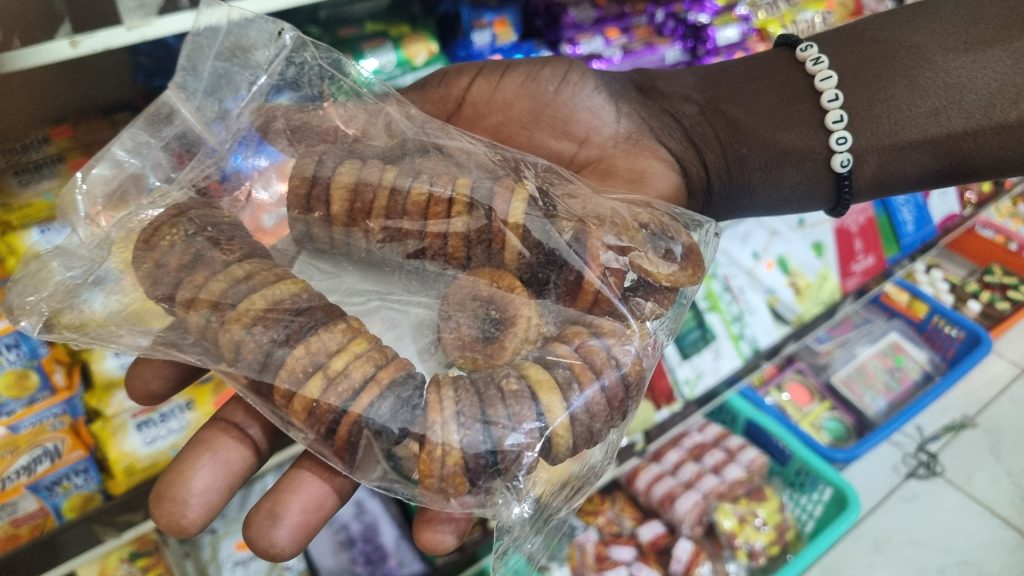
Norman Sebakigye, who runs a retail shop in Kampala, says most Ugandans perceive solar-dried fruits as snacks meant for foreigners or whites.
“Most of my clients think that dried foods have no nutritional benefit but are good for filling one’s tummy,” he says.
“I only stock them in moderate amounts.”
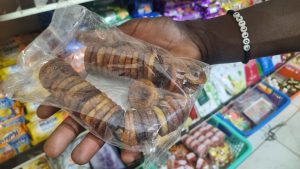
Do dried fruits pack a nutritional punch?
But the question is: Are solar-dried fruits just a hype for their taste, or are they nutritious?
We checked with the experts.
According to nutritionists and food technologists, solar-dried fruits are healthy snacking options with nutritional value.
Daniel Kamara, a senior nutritionist at Bwindi Community Hospital, describes solar-dried fruits as a “powerhouse of nutritional benefits.” For instance, he says, dried fruits like mangoes contain vitamin C, which aids healing and iron uptake; potassium steadies blood pressure; antioxidants help shield cells; and fibre keeps bowels healthy.
“These dried fruits also provide quick energy, support gut health, and offer a stable source of micronutrients during off-season months,” adds Kamara, winner of the Outstanding Nutritionist of the Year award (2025).
Independent nutritionists like Enid Achiro, who formerly worked for the Office of the Prime Minister, warns that drying fruits using thermal dehydrators like solar dryers should be done with a regulated heat level, adding that extreme heat can damage certain nutrients in fruits.
For instance, the vitamin C, which is found in most bright fruits like mangoes and pineapples, she says, decreases significantly because of extreme heat because it is “sensitive” and “unstable.”
“It is recommended to dry the fruits between 50 and 60 degrees Celsius,” she says.
“This is recommended to keep most of the micronutrients, especially vitamin C, in the fruits intact.”

Cleanliness is key
Hygiene matters too. Although solar drying of fruits is not prone to dust, insects, and birds, which can expose fruit to microbial contamination compared to open sun drying, cleanliness is vital during preparation.
“Wash fruits thoroughly and avoid cutting fruits on dirty surfaces with unwashed hands, where bacteria such as salmonella may be introduced,” says Emmanuel Owiny, a nutritionist based in Gulu.
“Make sure that the solar dryer is clean, and also make sure that the finished product is stored in an airtight and clean container to reduce microbial load,” he adds.
Samalie Namukose, the principal nutritionist at the Ministry of Health, says solar-dried fruits are vital in Uganda, especially in climate-stressed communities where malnutrition cases, such as undernutrition and hidden hunger, are common. Solar is eco-friendly compared to the “smoky” traditional fuels, which contribute to the planet-warming greenhouse gases.
In Yumbe district, Namukose cites an example: social enterprises like Mikiga Mango Project are solar drying seasonal mangoes to address malnutrition and hunger among the vulnerable communities, such as the sick, the elderly, refugees, children, and expectant mothers, during times of scarcity.
Nutrition lab yet to be completed
At the moment, Namukose reveals, Uganda lacks a fully equipped diagnostic laboratory that can examine nutritional deficiency in the blood.
Since 2018, Uganda has been developing the National Health Laboratory and Diagnostic Services (NHLDS), which can examine biomarkers (such as blood and urine) to detect nutrient deficiencies in the body. This facility, she states, is more advanced compared to the Uganda Industrial Research Institute (UIRI), which the Uganda National Bureau of Standards (UNBS) uses to test the quality of the food that the public consumes.
“We are at the final stage of completing the lab (NHLDS), but we still have a few trained personnel,” she says. “Once the lab is complete, Uganda will save a lot of money spent on sending samples abroad for examinations.”