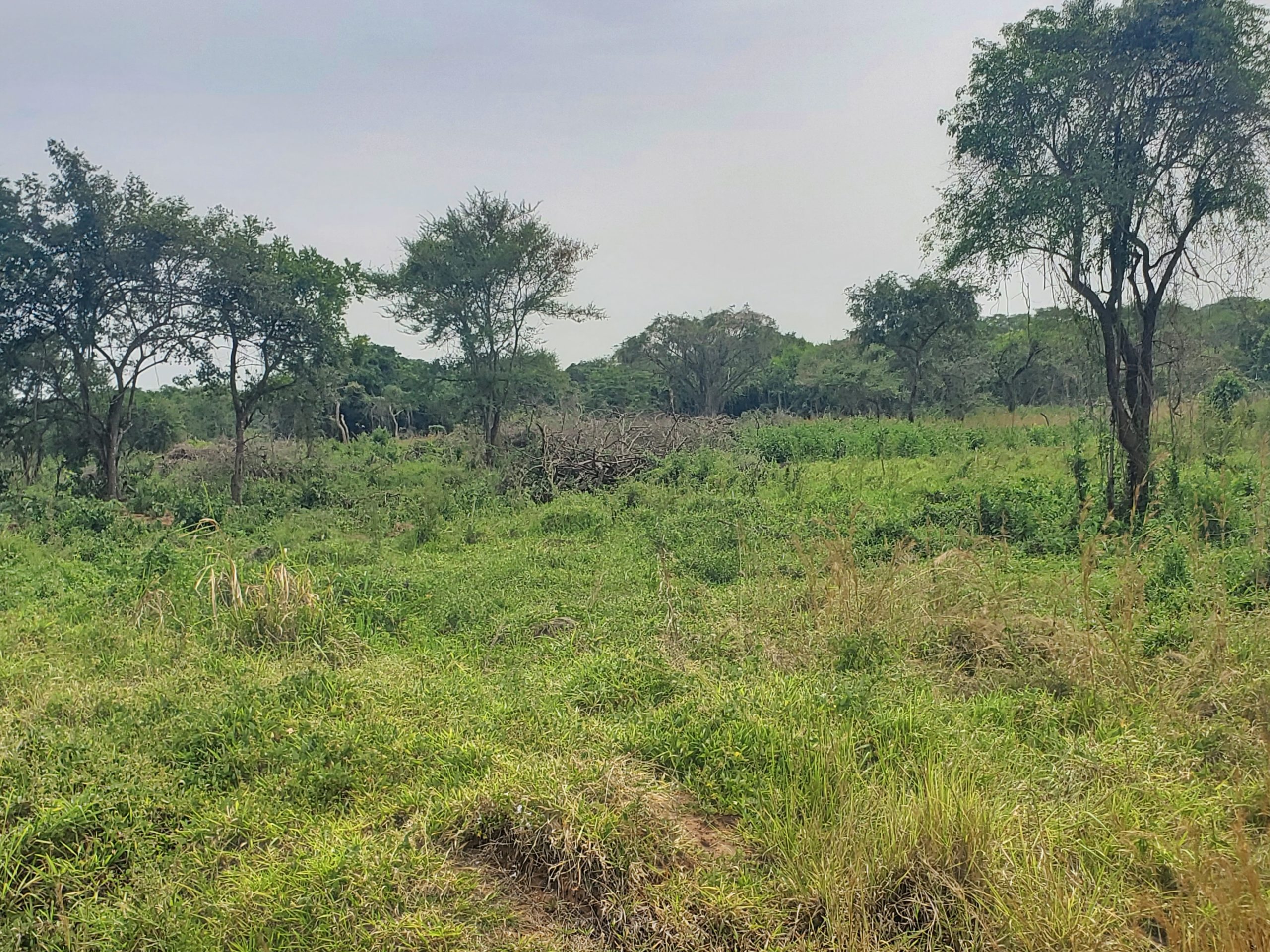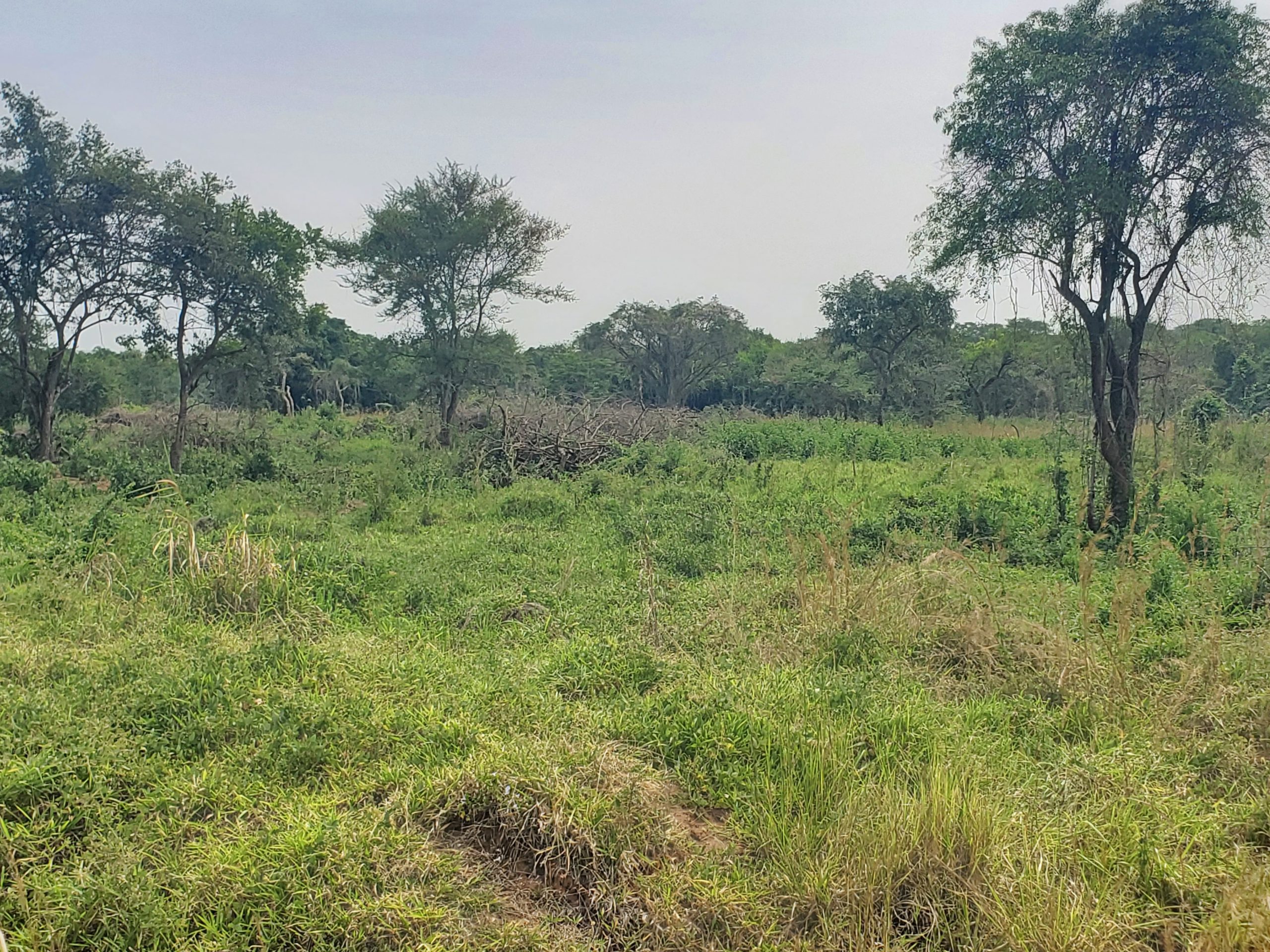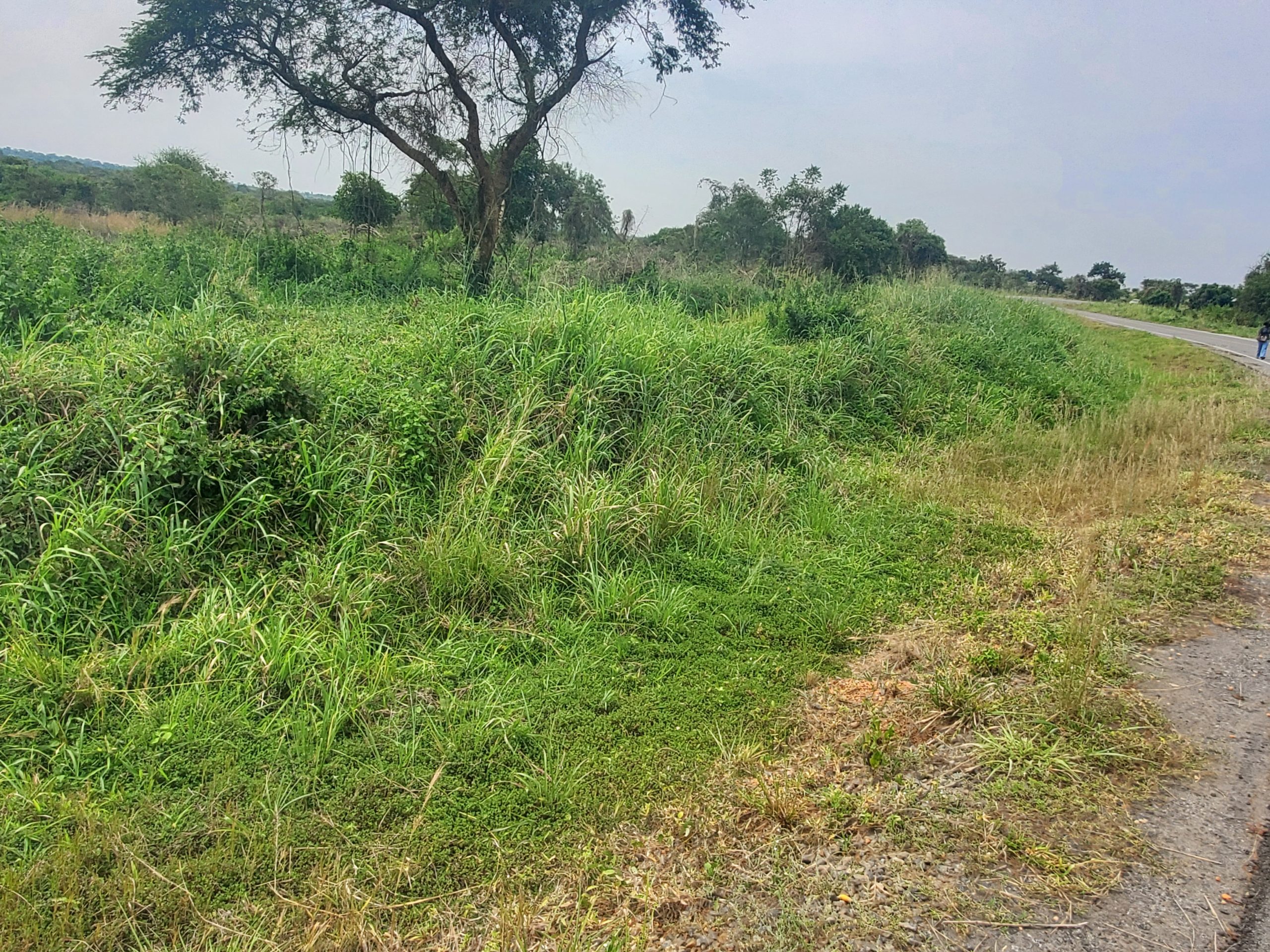
The park authority has resorted to habitat manipulation, a method of actively managing vegetation, to restore the land to its original savannah state and ensure the survival of grazers that form a vital part of the ecosystem.
By Willy Chowoo
Nwoya District-Murchison Falls National Park, one of Uganda’s iconic wildlife national parks, is undertaking an ambitious effort to reclaim its grasslands, which have been overtaken by invasive plant species over the past two decades.
They have so far restored 1500 hectares that were formerly conquered by the fast-spreading invasive plant species.
The park authority has resorted to habitat manipulation, a method of actively managing vegetation, to restore the land to its original savannah state and ensure the survival of grazers that form a vital part of the ecosystem.
According to the Authority, the park, like many protected areas in Uganda, has experienced rapid colonization of its grasslands by invasive plants. The invasive plant species have now colonised between 10,000 and 15,000 hectares of the grasslands.
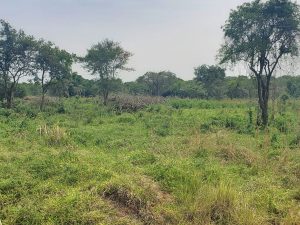
“For those who have been here 10 or 20 years ago, all this was grassland. But today, succession is taking place, and the area is turning into woodland,” said Kiiza Fredrick, the chief warden of Murchison Falls NP. “When this happens, animals are forced to migrate because the food they rely on disappears.”
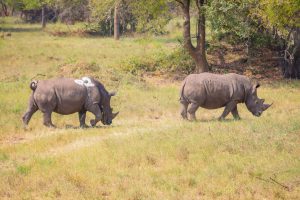
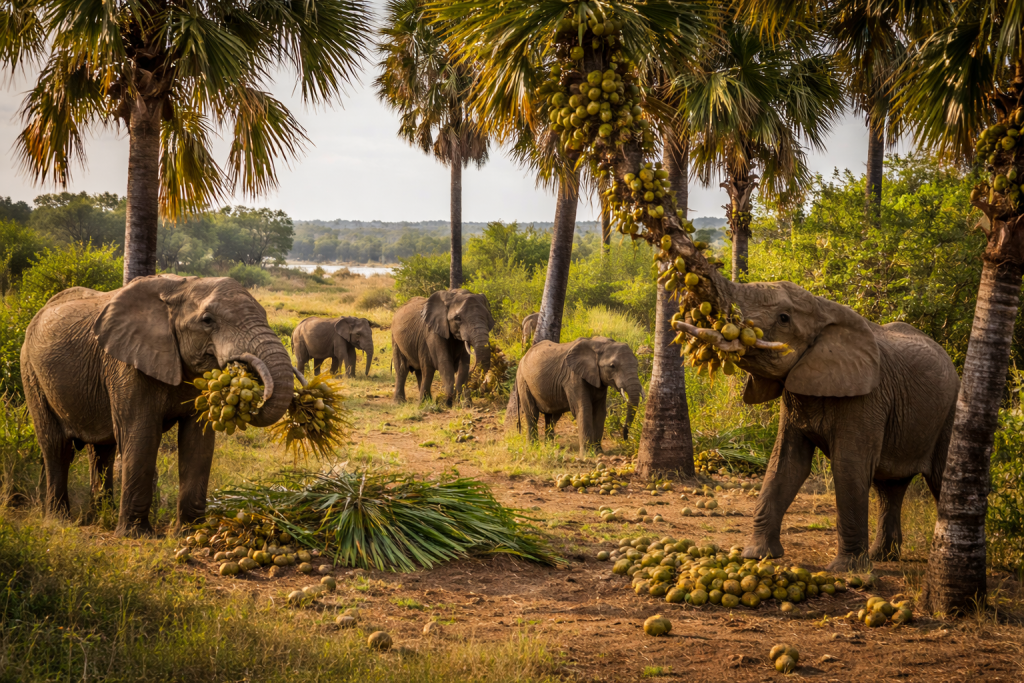
Invasive species, both alien and indigenous plants that have become prolific, are transforming savannah grasslands into woody landscapes, threatening the grazing grounds for herbivores such as buffalo, antelopes, and elephants.
The changes are gradual but profound, taking over 20-25 years to alter the original ecosystem. Fredrick explains that without intervention, these changes would continue unchecked, reducing wildlife visibility for tourists, creating poaching hotspots, and disrupting the delicate ecological balance.
The most common invasive plant species at the park include Borassus plants, Acacia Nilotica, and Dichrostachys Cinerea, which are spreading and quickly conquering the national park.
Habitat Manipulation in Action
To tackle the problem, park authorities are deliberately managing the vegetation to restore more than 10,000 hectares of degraded land. This involves uprooting invasive plants mechanically and manually, followed by controlled burning to remove debris and stimulate grass growth.
“We cut down dense vegetation and conduct two rounds of fire burning. The first burn removes the bulk of the biomass, and the second ensures that regrowth is manageable. Finally, we clear the remaining debris to allow grass to grow,” Fredrick explained.
The process begins with identifying key areas that can serve as grazing patches for wildlife by creating patches where animals can still graze.
“Our goal is to reverse vegetation succession back to its natural state—grassland. This allows herbivores to feed while maintaining a balance for other species that rely on shrubs and trees,” he said.
The effort also considers the behavioral patterns of wildlife. Dense woodland provides cover for predators and poachers alike, making it difficult to monitor animals and ensure their safety, because poachers are exploiting the environment.
“They set snares in dense patches where animals hide from the sun, which becomes a safe haven for illegal hunting. Clearing vegetation not only restores grazing areas but also reduces poaching risk,” Fredrick added.
Voice-1: Kiiza shares how these invasive species are affecting the park
Science-Backed Restoration
The ongoing restoration is guided by scientific knowledge of plant growth patterns and ecological dynamics. For instance, invasive species such as the Borassus plant, or palm, which can remain dormant in soil for over five years, require careful intervention.
“We know the rooting system and seeding rate. By removing young plants before they mature and seed, we prevent further colonisation. At the same time, we help other native vegetation emerge naturally,” he said.
An invasive-species expert says the most effective way to curb the rapid spread of invasive plants such as the Borassus palm is to ensure that their rate of removal or utilization exceeds their rate of natural regeneration.
Kato Raymond, an Invasive Species and Ecological expert with Uganda Wildlife Authority, adds that increasing the number of mammals that eat the invasive species could also help in fighting the spread of these plants, because they would consume them and suppress their multiplication.
“We would not even be spending money on removing these species. Mammals themselves would be manipulating the ecosystem or rangeland. We need trees; we need plants, yes, but also, we need mammals to control the forest, to balance the ecosystems,” Kato notes.
This scientific approach also considers the role of elephants and other herbivores in ecosystem management. “If we had sufficient elephant populations, they would naturally control some of the vegetation by feeding on young trees and shrubs. But because their numbers are lower, we intervene to mimic that natural process,” Kiiza explained.
Kiiza, the chief warden, noted that. “Once we have enough wildlife, the animals themselves will continue managing the vegetation, reducing the need for expensive interventions.”
Voice-2: Kiiza explaining how the invasive plants affect tourism
The approach is cost-effective and sustainable. Initial clearing of one hectare costs about 2.5 million Ugandan shillings, but progressive rounds become less expensive as the science is confirmed and natural processes assist in maintaining the grasslands.
The restoration project also involves local communities. Residents are engaged in manual clearing and maintenance, earning modest wages while contributing to conservation efforts.
The initiative is supported financially by a combination of World Bank funds, government allocations, and revenue generated from park activities.
Impact on Wildlife and Tourism
The benefits of habitat manipulation extend beyond the grasslands themselves. Restored areas provide abundant food for grazers, which in turn supports predators like lions. Improved visibility enhances the tourist experience, allowing visitors to observe wildlife scattered across the open savannah rather than hidden in dense bush.
“Tourists come to see animals. If the vegetation is too dense, visibility is limited, and the experience is diminished. By restoring grasslands, we ensure that animals have enough food, tourists can enjoy the view, and the ecosystem thrives,” Fredrick emphasized.
Since the project began, restored patches have shown remarkable progress. Animal tracks indicate that grazers have started returning to manipulated areas, and the contrast with surrounding dense bushlands is striking.
Fredrick points to areas along the Tangi Gate to Pakuba Hotel route, where over 200 hectares have been cleared and managed. “You can compare the manipulated area with untouched bush and immediately see the difference. Wildlife is visible, grass is abundant, and the ecosystem is functioning,” he said.
Long-Term Vision
The ultimate goal of the park authority is to manipulate key areas while allowing nature to take its course elsewhere. “We do not manipulate the entire park. Some areas are left untouched to allow natural succession, maintaining ecological balance. We focus on strategic patches to ensure grazing availability, wildlife population growth, and tourist satisfaction,” Fredrick explained.
Looking ahead, the park aims to increase elephant populations and other grazers, which will naturally maintain grasslands and reduce the need for costly interventions.
“Our vision is to have 10,000 to 15,000 elephants in the park. As their numbers grow, they will naturally manage vegetation, creating open fields and controlling invasive species. This is the biological science behind our approach,” Fredrick said.
Climate change impact.
Despite progress, challenges remain. Climate change continues to favour the proliferation of invasive species, and poaching remains a persistent threat. Nevertheless, the park authority is committed to innovative, science-based solutions.
“We cannot wait until the entire park turns into a forest. If we do, animals will migrate, tourists will lose the experience, and poachers will exploit dense bush. Our intervention ensures balance,” Fredrick said.
Murchison Falls NP’s habitat manipulation initiative is a pioneering effort in East Africa, particularly in dealing with species like the Borassus palm. It represents a model for integrating ecological science, wildlife management, and community involvement to restore degraded ecosystems.
The UWA communications manager, Hangi Bashir, said removal of the invasive species is vital because these plants compete with the native vegetation. The removal of the invasive plants gives a chance for the regeneration of indigenous plants.
Voice-3: Hangi is speaking about the challenge of fighting invasive species
Through habitat manipulation, Murchison Falls National Park is reversing decades of ecological succession caused by invasive species and climate change.
By restoring grasslands, supporting wildlife, enhancing tourist experiences, and involving local communities, the park is taking a holistic approach to conservation. While the work is ongoing, the success so far demonstrates that human intervention, guided by science and sustainability, can effectively restore and protect vital ecosystems for future generations.