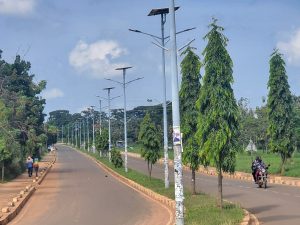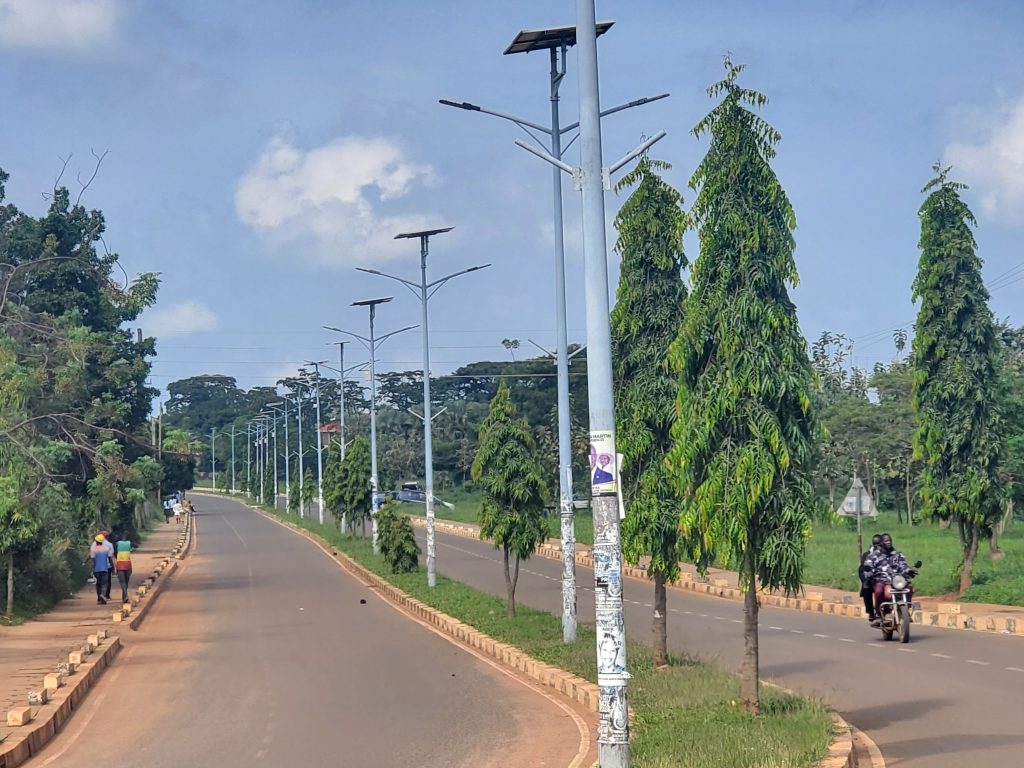
The land comprises two parcels: The Pece Stream area, measuring 3.88 acres and Kaunda Grounds, measuring 28.67 acres.
By Willy Chowoo
Gulu City
The wait is over for Gulu City residents after the Uganda Land Commission (ULC) granted the city council permission to secure and document 32.6 acres of land along the Pece wetland stream and at Kaunda Grounds.
The decision brings an end to months of uncertainty and public outcry over fears that the prime land could be allocated to private investors.
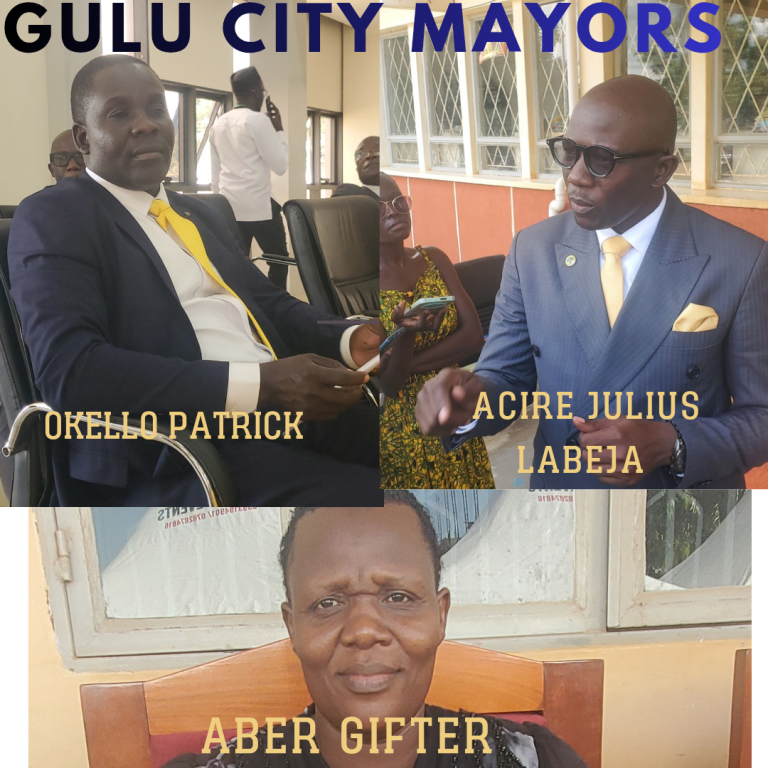
According to Gulu City Mayor Acire Julius Labeja, the Uganda Land Commission has given the city permission to proceed with documenting the land, which is freehold.
The land comprises two parcels: The Pece Stream area, measuring 3.88 acres (1.57 ha), and Kaunda Grounds, measuring 28.67 acres (11. 606 ha) Together, the two parcels cover approximately 32.55 acres (13.176 ha).
The decision follows a prolonged dispute over ownership and the intended use of the land, particularly after a number of private investors expressed interest in developing part of the 28-acre Kaunda Grounds in Green Valley Cell, Kanyagoga Ward.
Sixteen investors had reportedly applied for plots on the land, with five seeking allocations for private developments. The proposed allocation triggered strong opposition from sections of the public and city authorities, who wanted the area preserved as a green public space.
Gulu City Council had earlier sought to have the land titled in its name and developed into a green park, with financial support from the World Bank.
However, the Uganda Land Commission deferred the matter after noting that there were already applications from private investors.
Speaking recently during a stakeholders’ engagement on the government land inventory programme in Gulu City, Bahunguli Ronnie, a Senior Land Management Officer with the Uganda Land Commission, said the commission had reached a decision on the disputed land.
“And if I might be allowed to communicate that, the decision from the commission will be coming very soon to Gulu. And it’s a good one for the people of Gulu.” Bahunguli said.
The commission had earlier instructed the Gulu City Land Board not to proceed with titling the land until the competing interests had been addressed.
“When city tried to title that land, the commission wrote to the land board and asked them not to proceed with that land because there was already some allocation; we requested that we have stakeholder engagement to address it.” Bahunguli said.
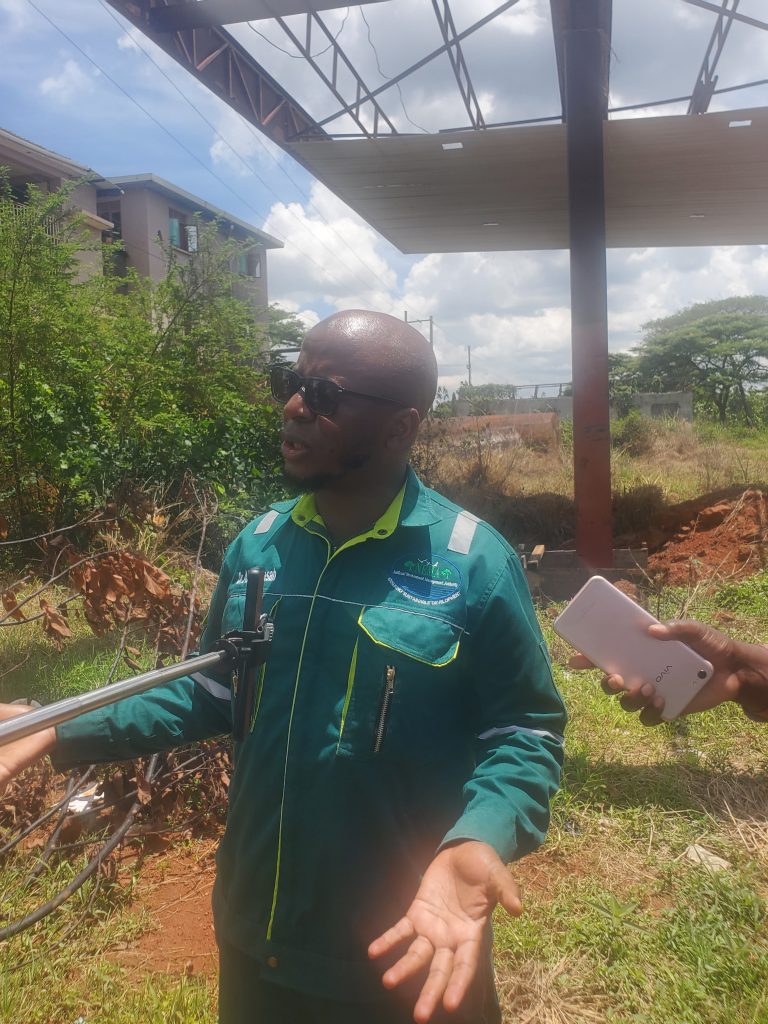
The contested land lies close to Pece Stream, stretching from behind Cynibel Supermarket along Walter Opwonya Road towards Kaunda Grounds.
The latest decision now gives Gulu City an opportunity to proceed with formal documentation of the land and pursue its plans to develop the area for public benefit.
Protecting public spaces and wetlands
The move is also expected to ease concerns among city residents who had feared that the land would be handed over to private investors.
The Gulu City Land Board had maintained that the land should be preserved for public use, while city authorities argued that transforming it into a green space would provide residents with an important recreational and environmental asset.
For local resident Marc Anthony Obonyo, the debate over the land should go beyond ownership and development and focus on the long-term public interest.
Obonyo argues that local governments have a responsibility to protect public spaces and wetlands, saying such areas should not be treated as vacant land that can simply be allocated, leased or converted for private interests.
He says public spaces such as parks, playgrounds, open grounds, recreation areas and public squares serve important social and economic functions and should remain accessible to communities.
For a growing city such as Gulu, he argues, land that may appear unused today could become important in the future for recreation, drainage, transport, public institutions and green infrastructure.
Obonyo also cautions against treating wetlands as undeveloped land awaiting investment.
Wetlands act as natural infrastructure by absorbing excess rainwater, reducing flooding, filtering pollutants, supporting biodiversity, recharging groundwater and helping regulate local temperatures.
He warns that filling, draining or building on wetlands can create environmental costs that extend beyond the immediate area, including flooding, erosion, blocked drainage and loss of biodiversity.
This follows earlier protests by city residents after an investor sought to establish a petrol station on part of the Pece Stream. The residents successfully stopped the investor from proceeding with the proposed development.
According to Obonyo who is one of the environmental activists in the city, the responsibility of local governments should therefore go beyond allocating land to balancing development with environmental protection.
He says planning authorities should ensure that proposed developments are legally permissible, environmentally sustainable and in the long-term public interest, particularly where environmentally sensitive areas are involved.
Obonyo further calls for councillors and technical officers to scrutinise decisions affecting public land and provide professional advice based on planning and environmental standards.
What is next?
Gulu City Council is now processing titles for the two pieces of land to enable it to proceed with its plans to green the areas while preserving them as open spaces.
City Mayor Julius Acire Labeja reiterated the council’s commitment to maintaining and improving the area. He said Kaunda Grounds is being abused by boda boda riders and heavy truck operators, who have created pathways through the paved sections.
“People are abusing the place; people should respect it.” He notes.
During the first regional parliamentary sitting held in Gulu City in August 2024, the Speaker of Parliament, together with the then local leaders, pledged to fence Kaunda Grounds. However, the plan has since gone quiet.
Labeja acknowledged that fencing the grounds would be expensive but said the city would explore the possibility of using local revenue to secure the area and prevent trespassing.
“We might need to look for money maybe, through local revenue we shall need to prioritize.” He adds.
Kaunda Grounds derives its name from former Zambian President Dr Kenneth Kaunda, who visited Uganda in the 1980s and met his counterpart, former President Dr Milton Apollo Obote, at the grounds.
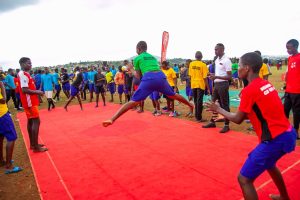
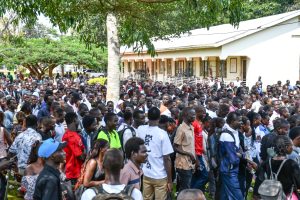
The grounds have since remained an open public space and ceremonial venue, hosting several high-profile figures, including Pope John Paul II, Joyce Meyer and former South Sudanese leader John Garang, as well as serving as a venue for numerous national functions.
For Gulu City, the decision to secure the land presents an opportunity to protect some of its remaining public and environmentally important spaces as the city continues to expand.
Obonyo says protecting such spaces should be part of a broader urban development strategy, noting that Gulu will increasingly need land for roads, drainage, parks, recreation, markets, schools, health facilities and green spaces.
For Gulu, the challenge will now be to ensure that the newly secured land remains accessible to the public and that its development balances the city’s growing needs with environmental protection.