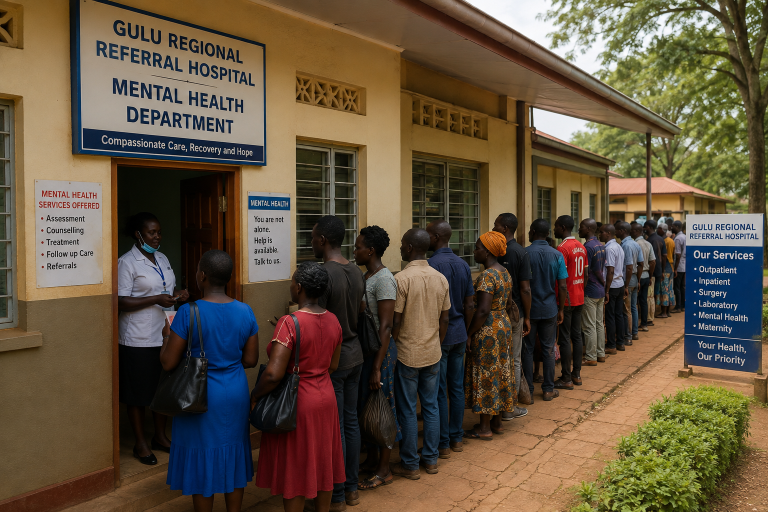
The report identifies malaria as a major contributor to morbidity and mortality
By Willy Chowoo
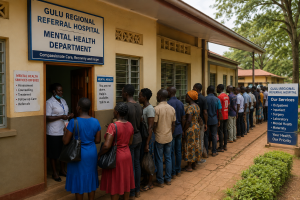
Gulu City—A new report from the Gulu City Health Department has revealed a worrying gap in malaria vaccination coverage, raising concerns about continued high infection rates among children despite overall strong performance in routine immunisation.
Findings from the period of October 2025 to April 2026 on EPI Status in Gulu City show that while the city has achieved impressive coverage for traditional vaccines—such as DPT1 at 99% and measles-rubella (MR1) at 89%—malaria vaccination uptake drops sharply across subsequent doses.
According to the report, malaria vaccine coverage stands at 84% for the first dose but declines to 57% for the third dose and plummets to just 16% for the fourth dose, leaving hundreds of children partially protected. It shows that at least 412 children have not received even the first dose of the malaria vaccine.
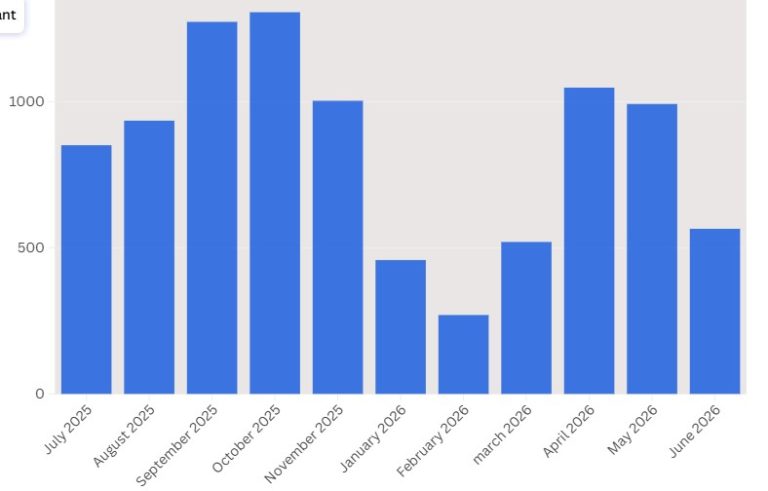
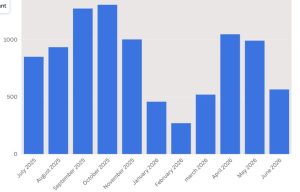
Health officials warn that this trend is undermining efforts to control one of the city’s leading causes of illness and death. Between January and March 2026 alone, Gulu recorded 10,645 new malaria infections, reinforcing the disease’s persistent burden.
Onyutta Geoffrey Topiny, the City Senior Health Educator, states that incomplete malaria dosing is hindering their goal of reaching 95% coverage, which is essential for protecting vulnerable populations and achieving herd immunity.
The report identifies malaria as a major contributor to morbidity and mortality, particularly among children, and links the low completion rate of the vaccine schedule to increased vulnerability in the population.
Dropout Crisis in Malaria Vaccination
The health experts say the sharp decline from the first to subsequent doses reflects a broader “dropout problem” in the immunisation system. While initial access to vaccines appears relatively strong, many caregivers fail to return for follow-up doses—critical for full protection.
This pattern contrasts with other vaccines under the Uganda National Expanded Programme on Immunisation (UNEPI), where completion rates remain comparatively high, with 87% of children in Gulu City fully immunised against common childhood diseases.
Filder Adiyo Loyce, the city’s Assistant Health Officer for Maternal Child Health, states that not completing malaria doses leaves children at high risk of contracting malaria because they are not fully protected.
“When you see the variation from 84%, it should be the same with the 4th malaria vaccination, meaning very many children have not been vaccinated, and yet they start vaccination,” she warns.
Urban Pressures Fuel the Problem
The report attributes the low malaria vaccination uptake to a mix of caregiver, health system, and structural challenges. In rapidly growing urban settings like Gulu, high population mobility, informal settlements, and poor sanitation conditions increase disease transmission while complicating immunisation follow-up.
Health experts have warned that the increasing number of urban migrants in Gulu City is hindering vaccination efforts. Recently, Gulu has seen more migrants such as Eritreans, Ethiopians, Indians, and South Sudanese. City Health Officer Dr. Okello explains that some of these foreigners hesitate to get immunised due to deep-rooted cultural beliefs.
“Many new urban areas have large migrant populations that often distrust Western medical interventions. We need to include these migrants and encourage them to accept the vaccinations being provided by the Ugandan government,” he says.
Filder Adiyo Loyce, Assistant Health Office—Maternal Child Health, highlights multiple barriers to vaccination uptake in Gulu City, which include, among others, limited awareness about the importance of completing vaccine doses and fear of side effects.
Adiyo adds that there are some parents complaining of the long waiting times at health facilities and competing domestic and economic responsibilities.
She urges parents to take their children to the nearest health facilities because the service is available all the time:
“In our 26 health facilities, they do immunisation every day, and outreaches are 4 per facility every month,” Adiyo notes.
On the supply side, health workers struggle with inadequate communication skills, low motivation, and weak follow-up systems, further contributing to missed doses.
Threat to Herd Immunity
Public health experts caution that low vaccination completion rates threaten herd immunity, increasing the risk of sustained transmission and outbreaks. The report emphasises that when immunisation coverage falls, “herd immunity can break down,” exposing vulnerable populations.
City health officer Dr. Okello fears that “the challenge is, if many don’t vaccinate their children, with the rising population here, it is going to affect what we call herd immunity, which is at 95%.”
The Gulu City Health Department is now calling for intensified community mobilisation, improved health communication, and stronger outreach programmes to ensure children complete all malaria vaccine doses.
The report also highlights the critical role of the media in combating misinformation and promoting vaccine uptake, noting that accurate and targeted communication can significantly influence public attitudes and behaviours toward immunisation.
As Gulu City continues to urbanise, health officials warn that closing the malaria vaccination gap will be essential in reducing disease burden and safeguarding child health.
“The gains made in routine immunisation risk being overshadowed if malaria—still a leading killer—is not addressed through full vaccine coverage,” the report concludes.