With poaching syndicates becoming more sophisticated, UWA believes the new helicopter will mark a transformational shift in wildlife protection.
By Willy Chowoo
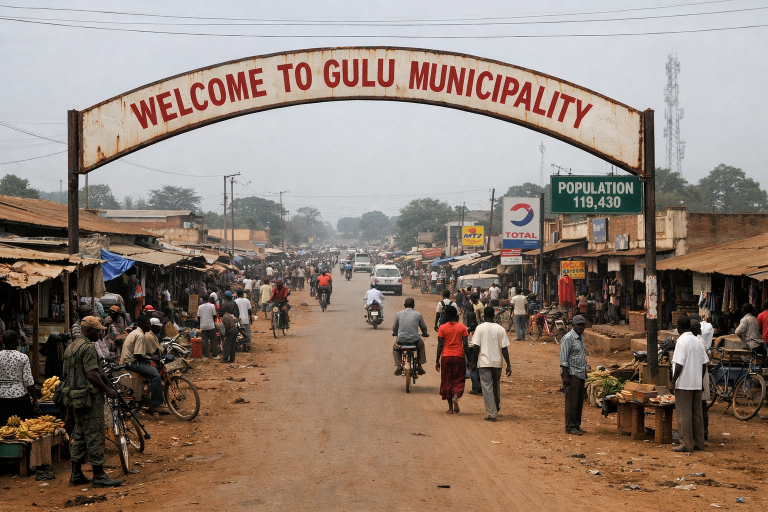
Gulu city -The Uganda Wildlife Authority (UWA) has embarked on a major upgrade of its surveillance capacity with plans to acquire a new helicopter to reinforce aerial patrols across conservation areas, including Murchison Falls National Park, the country’s largest and most poaching-prone protected area.
UWA has budgeted shs 10 billion for the helicopter, which will help intensify monitoring, support rapid ranger deployment, and assist in rescue operations. According to UWA Communications Manager Hangi Bashir, the investment marks a significant step in safeguarding Uganda’s wildlife heritage.
“We intend to have a chopper dedicated to surveillance,” Hangi said. “We want an aircraft to do rescue missions, transport rangers quickly during operations, and enhance our ability to protect wildlife.”
Voice-1: UWA Communications Manager explaining the need to to have chopper
The new helicopter will supplement UWA’s current aircraft, which Hangi says is already overstretched, covering Uganda’s vast conservation landscapes.
Poaching Pressures Drive Demand for Aerial Support
The decision to acquire the helicopter comes as Murchison Falls National Park continues to battle high levels of poaching, despite notable reductions in recent years. The park remains a hotspot due to its large wildlife population and proximity to illegal markets for bushmeat and wildlife products.
Between 2021 and 2024, authorities arrested 2,369 suspected poachers and confiscated more than 30,000 illegal hunting tools, including rifles, wire snares, metal traps, and canoes.
Chief Warden Kiiza Fredrick says the persistence of poaching is linked to strong market demand for bushmeat and wildlife products.
“If there was no market for game meat or wild fish in surrounding districts like Pakwach, we wouldn’t be facing this level of poaching,” he noted.
Kiiza warns that wildlife traffickers often recruit the local community to kill elephants for ivory, placing endangered species at risk.
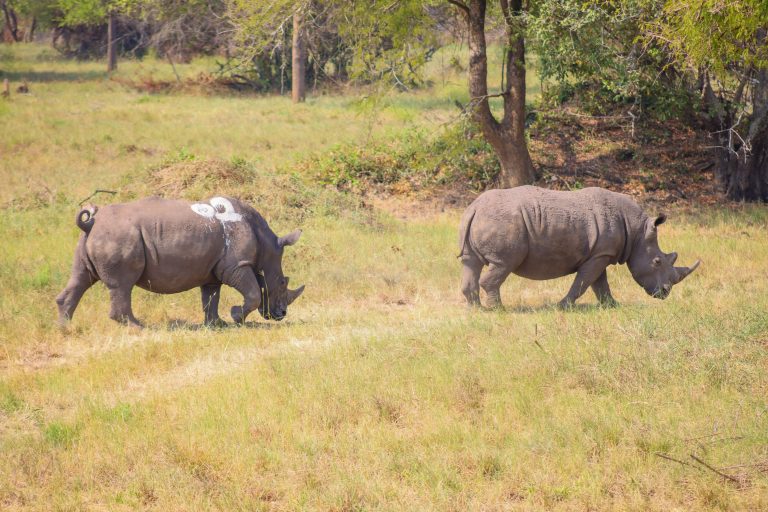
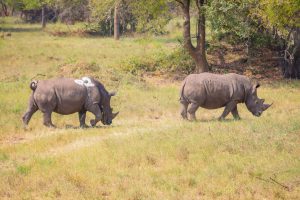
“Rhinos disappeared from this park because they were hunted to extinction. We don’t want our children to grow up never seeing these animals,” he said.
Voice-2: Chief warden Kiiza Fredrick shares more on poaching
The most commonly used hunting tools in the Murchison Falls Conservation Area are wire snares, metal traps, and canoes. Wire snares account for the largest share of recovered illegal hunting equipment, with 26,988 of 30,128 items, or 89.6%. Canoes follow with 1,040 recovered, while metal traps total 1,031. Other hunting weapons include guns and fishnets, among others.
Statistics from the park authority indicate a sharp rise in recovered illegal hunting tools over the past three years, almost doubling since 2021. Recoveries increased from 6,615 in 2021 to 12,245 in 2024, an addition of 5,630 items, representing an 85.1% increase.
Ground Operations Still Crucial—but Not Enough
While aerial patrols are expected to greatly boost protection, UWA continues to rely heavily on intelligence-led ground operations. These efforts have resulted in 1,063 arrests in 2022, 702 arrests in 2023, and 880 arrests in 2024.
Turyatemna Movadi, the Chief Warden of Murchison Falls Conservation Area (MFCA) and Warden in charge of Law Enforcement, says patrol teams have done so well to reduce poaching and increase the success rate.
He believes aerial support will drastically improve ranger response and reduce the number of animals killed.
Voice-3: Turyatemma shades more light on the success
Technology and Legal Support Strengthen the Fight
UWA has also invested in advanced surveillance tools to complement aerial operations. The EarthRanger system, installed in 2022, provides real-time tracking of illegal activity, including GPS coordinates and photo evidence, which strengthens court prosecutions.
This adds to the ongoing use of technology to fight wildlife crimes in the protected areas in Uganda. The authority is already using drones for aerial monitoring and GPS collars to beam real-time signals from roaming lions and elephants. And a plan is also a way to introduce AI-powered cameras and sensors that will scan the bush for intruders
According to the head of the Enforcement Office, Mavodi, the new system provides real-time information, including the exact coordinates of suspects, and is even able to capture photographs.
Voice-4: Turyatemma explains the EarthRanger system
Additionally, the Karuma canine unit has intercepted 84.42 kg of ivory and screened over 6 million items, making it a key weapon against wildlife trafficking.
Legal actions have also improved with the establishment of the Utility Standards and Wildlife Court in Kampala. Over the past three years, the court has convicted 1,228 suspects linked to poaching in MFCA, significantly reducing case backlogs. The court has sent on remand 189 suspects and granted court bail to 28.
Out of the 2,469 suspects arrested by rangers, 812 were released on police bond. Annual statistics over the three years show that 2023/2024 recorded the highest number of arrests and prosecutions, with 1,012 suspects compared to 731 and 726 in the previous years, respectively.
The special wildlife court has played a crucial role in speeding up the trial process for offenders, according to UWA Communications Manager Hangi Bashir. He noted that although other courts also handle wildlife-related cases, the special court has been instrumental in ensuring timely justice. “We don’t want to deny justice, because justice delayed is justice denied,” he said.
With the introduction of EarthRanger, the issue of evidence in court has been made easy. Mavodi explained that this technology has strengthened the park authority’s ability to present solid, well-documented evidence against arrested suspects in court, since all information is now digitally recorded.
A New Era for Wildlife Protection
With poaching syndicates becoming more sophisticated, UWA believes the new helicopter will mark a transformational shift in wildlife protection.
“This investment will allow us to patrol vast areas more efficiently, deter poachers, and respond to threats faster than ever before,” Hangi emphasized.
The new chopper is expected to drastically enhance conservation efforts in Murchison Falls National Park and other protected areas, marking a renewed commitment to safeguarding Uganda’s wildlife for future generations.