A park report shows that during those seven months alone, 235,248 vehicles passed through the park. These included
By Willy Chowoo
The Uganda Wildlife Authority (UWA) is planning to introduce heavier fines and tighter enforcement measures to curb speeding inside Murchison Falls National Park after a surge in wildlife deaths linked to reckless driving, particularly during a seven-month diversion of highway traffic through the park in 2024.
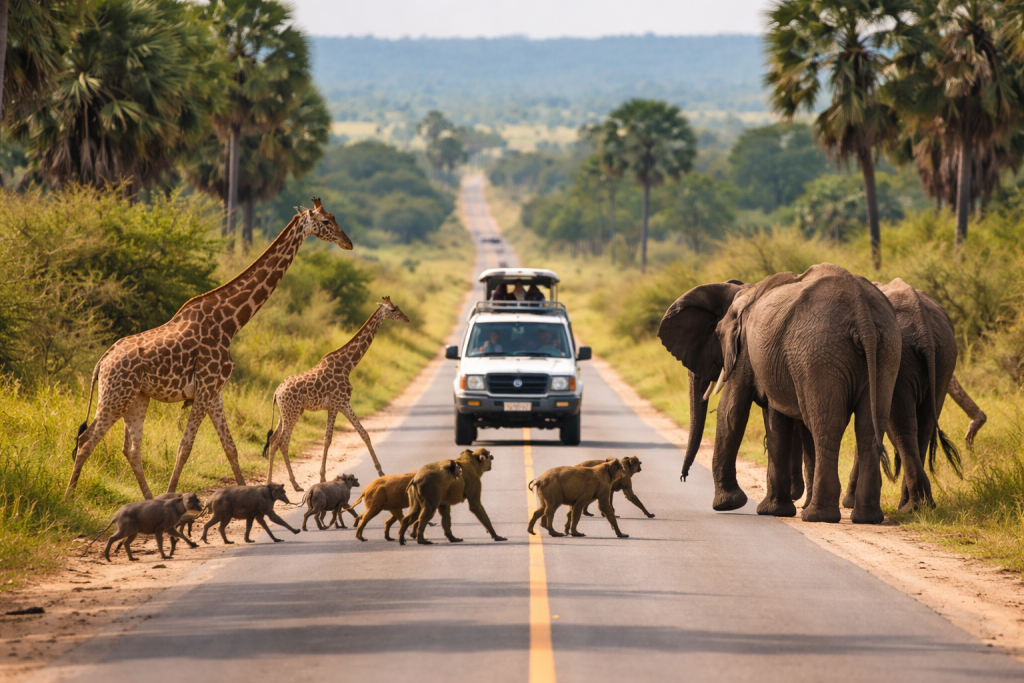
According to UWA, about five animals are now being injured or killed every week by speeding vehicles inside the conservation area, with baboons among the most affected species.
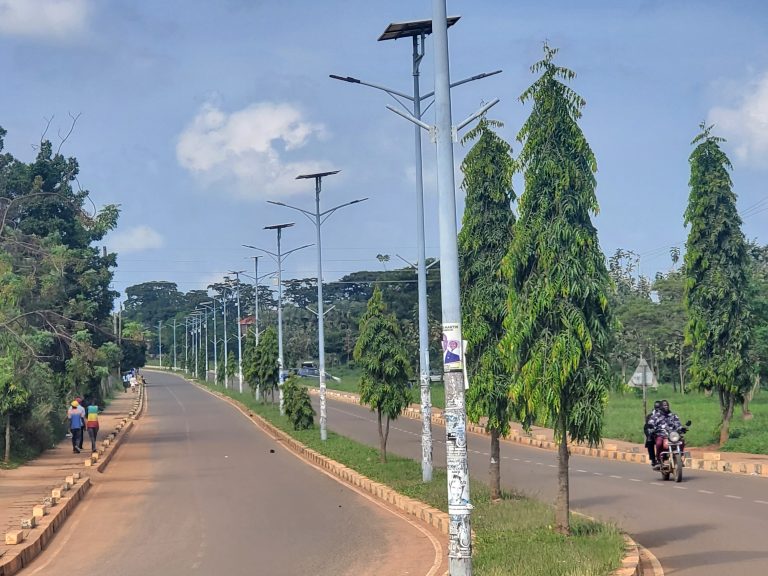
Between May and December 2024, traffic was diverted from Karuma through Murchison Falls National Park, creating an unprecedented spike in heavy-vehicle movement through the protected area.
A park report shows that during those seven months alone, 235,248 vehicles passed through the park. These included:
The statistic indicates that most of these vehicles are heavy loads, not those used by tourists. These are heavy-duty vehicles that typically pass through the protected area while travelling to West Nile and South Sudan.
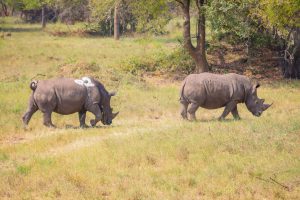
Park authorities say the heavy traffic brought noise pollution, littering, habitat disturbance, road kills, and behavioural changes among wildlife.
In some cases, elephants were observed fleeing roadside corridors, reducing wildlife visibility for tourists and lowering visitor satisfaction, which the park believes also led to loss of tourism revenue.
Despite the diversion now easing, the problem persists.
Speeding and Disregard of Park Rules
Chief Warden Kiiza Fredrick said many motorists continue to ignore the 40–60 km/h speed limit, driving at 80 km/h or more.
“People are still not respecting the traffic regulations and the park rules,” he said. “We tell someone to drive between 40 and 60 kilometres per hour, but this person will drive at 80. The road excites him, and that is why we are still having a problem.”
The park currently arrests more than 20 speeding motorists weekly, each fined Sh 100,000 per offence. However, some drivers only slow down near speed cameras and speed again once they pass, undermining enforcement.
Mr. Kiiza noted that drivers of large institutional or government vehicles are among the frequent violators, but said UWA still enforces the law without fear or favour.
The Chief Warden said baboons remain the most common victims of speeding, followed by other animals hit along major corridors such as the Karuma, Pakwach, Masindi, and Pakwach roads.
“Every week, about five animals are killed or injured, and baboons are suffering a lot compared to other animals,” he said.
Mr. Kiiza warned that continued road kills were damaging biodiversity and wildlife populations, including breeding dynamics.
“It impacts biodiversity a lot,” he said. “When a mother dies, the population is affected. It also interferes with the food web. At times, the carnivores get more food than they want. So, it is impactful. That’s the bottom line. Period.”
Voice-1: Kiiza speaking about the measures they have put in place to reduce the road kills.
Hefty Penalties up to Sh 500,000 Per Offence
To deter reckless driving, UWA is now considering raising the speeding fine from Sh 100,000 to as much as sh 500,000 per offence.
“Not because we need the money, but because we want to instill discipline into you,” the Chief Warden said. “If I say that once you are caught overspeeding, you are paying 500,000, you are going to think twice.”
The authority has other proposed measures to reduce the road crashes inside the park.
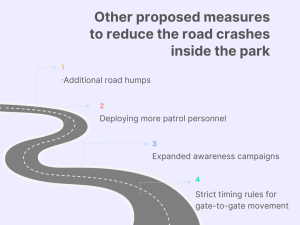
Under the timing rule, drivers must take a minimum set time to travel between gates. If they arrive too early—indicating speeding—they are denied exit.
Murchison Falls National Park remains one of Uganda’s flagship tourism sites. Authorities now warn that undisciplined motorists risk turning conservation zones into highways, with irreversible consequences for wildlife.
“We need people using the park to be disciplined,” Mr. Kiiza said, urging motorists to observe speed limits, dispose of waste responsibly, and respect wildlife habitats.