In the quiet villages of Northern Uganda, a dangerous trend is taking root, one that doctors say is silently killing young women and girls.
By Chowoo Willy | The Elephant
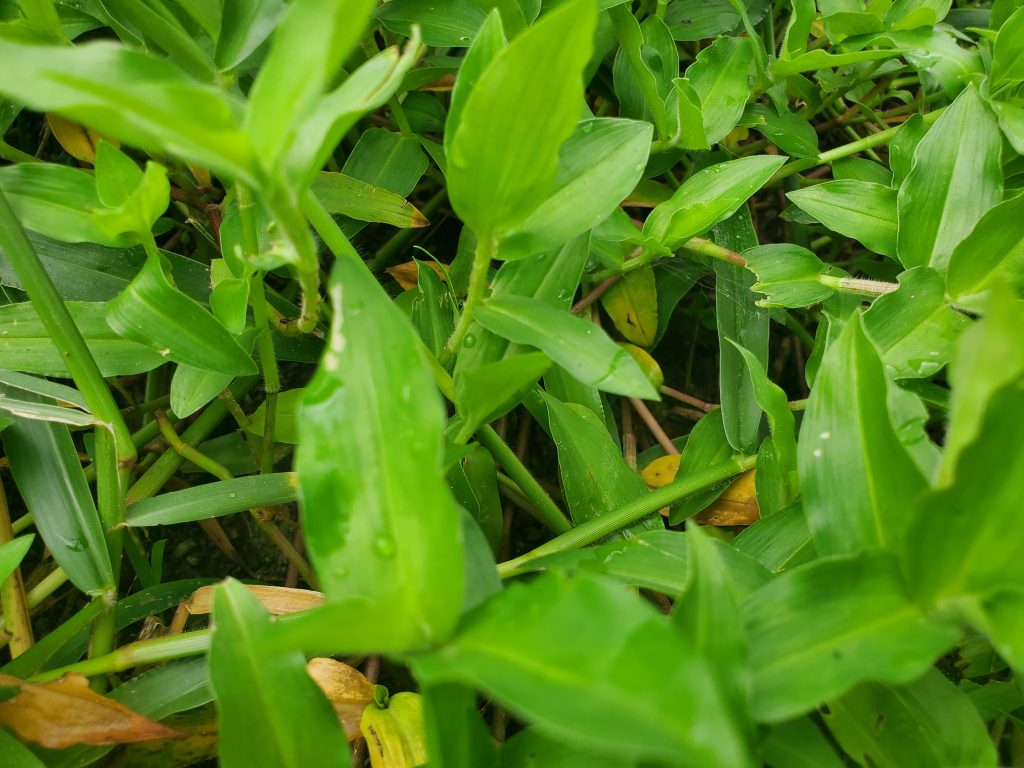
Health experts in the Acholi sub-region are raising the alarm over the growing use of toxic local herbs, particularly a plant known locally as “Lutoto” (wandering Jew), which is increasingly being used to induce unsafe abortions.
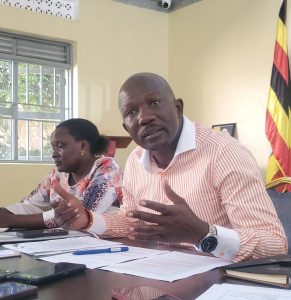
According to Dr. Pebalo Francis Pebolo, an obstetrician and gynaecologist, a senior gynaecologist at Gulu Regional referral hospital and a lecturer at Gulu University, says the practice is increasingly becoming common and is leading to devastating consequences.
“The deaths we see are just the tip of the iceberg,” he warned. “For every woman who dies from post-abortion complications, thousands more suffer severe health consequences.”
Dr. Simon Komakech, an obstetrician and gynaecologist working with a government hospital in Kitgum District, says the surge in the use of rudimentary methods to procure abortion is due to restrictive laws on abortion in the country, stopping many people to come up.
Dr. Komakech says most girls and women fear coming out due to stigma and fear of the law, which makes them end up losing their lives.
“In our communities, girls still fear stigmatisation; they don’t come to the health units due to the absence of a law that supports abortion, so people fear coming to medical personnel early, so they end up using rudimentary ways of conducting abortion,” he adds.
Dr. Okello Alfred, a public health expert and District Health Officer for Amuru, says the practice, which is very common in the land, has put the lives of young women and girls at risk due to community beliefs.
“Most abortions are conducted in the community, and they come to the health facility when they start experiencing complications.”
The medical experts warn that, unless this practice is reversed, rather than losing lives, it will continue to expose the young women and girls to the risk of Urinary Tract Infections (UTIs).
The rise of dangerous herbs
At the centre of this crisis is the widespread use of crude and highly dangerous methods to terminate pregnancies.

The most alarming, medics say, is the use of Lutoto (wandering Jew), a common weed that grows freely across the region. Lutoto is commonly used as a local feed for pigs.
“It is very toxic,” Dr. Pebalo said. “It causes intense uterine contractions, cuts off blood supply, and in some cases, parts of the uterus die completely.”
In severe cases, doctors are forced to surgically remove damaged reproductive organs, leaving survivors infertile for life.
Others do not survive at all.
Dr. Okello says that, as a medic, it is always very difficult to know what initiated the process. He warns that the practice has become so deadly that many people who undergo it struggle to recover.
“When your uterus is torn, literally, you can’t have a baby; others damage their bladders. It is not a nice thing to do; that is unacceptable. You are ruining yourself; you are killing yourself,” he notes.
Dr. Komakech observes that most girls and women who use concoctions to terminate their pregnancies suffer from damaged uteri and secondary infections.
“When they come to health facilities, you will discover that they have secondary infections, which are very high and have long-term complications. Sometimes, due to infections, the uterus develops scars that affect a successful pregnancy,” he adds.
Another plant being used to terminate pregnancy is atakarac (Aloe vera, commonly called aloe). This plant is used by the local community to help in digestion, skin treatment, hair and scalp care, and immune support. However, pregnant mothers and people with certain conditions are warned against internal use unless advised by a health professional.
Poverty, stigma, and desperation
Experts say the surge in unsafe abortions is driven by a mix of poverty, stigma, and limited access to reproductive health services.
“The problem with abortion is that it is the poor who suffer,” Dr. Pebalo noted. “The rich find safer options. But young girls and poor women resort to dangerous methods because they have no alternatives.”
In Uganda, abortion is illegal, and anybody who performs or assists in the procedure without legal justification faces criminal charges under the Penal Code.
Legal restrictions and social stigma further complicate the situation.
Many women fear seeking help at health facilities, worried they may be judged—or even reported to authorities.
As a result, they turn to clandestine and unsafe practices: herbs, sharp objects, or unregulated drugs obtained over the counter.
In some cases, the consequences are fatal.
Dr. Pebalo recalled a case of a young girl admitted with kidney failure after attempting an abortion using a stick that caused severe internal infection.
The expert warns that the lack of exposure of young girls to sexual and reproductive health and rights education is partly to blame for the rising number of abortion cases in the country
Dr. Komakech says that in the absence of laws that legalise abortion in the country, it will be difficult to curb the vice.
“Our mothers do not talk to them; it is more of a taboo. I feel young girls should be taught how they can protect themselves and encouraged to study to avoid risky sexual lifestyles, so that we can reduce all these complications,” he adds.
A survivor’s painful choice
For Achan (not her real name), a 33-year-old from Gulu district, the decision to terminate her pregnancy came after a traumatic ordeal.
She says she was raped by three unknown men on her way home from a trading centre.
“I was scared to tell anyone. When I realised I was pregnant, it was three months, I felt my life was over,” she recalls softly.
Afraid of stigma and fear of rejection from her family, Achan turned to a friend who suggested a local herbal remedy. It is Atakarac (Aloe vera)
“They told me to boil the leaves and drink. I didn’t know it could kill me. I just wanted everything to end.”
Within hours, she began experiencing severe abdominal pain and heavy bleeding.
She was later rushed to a health facility in the district, where doctors struggled to stabilise her.
“I thought I was going to die. I regretted everything,” she says.
Today, Achan is alive, but still battling trauma. She has failed to recover from that horrific night.
Cases like Achan’s are becoming increasingly common across the Acholi sub-region.
According to Dr. Pebalo, the use of Lutoto has become widespread, particularly among young girls who cannot afford safer alternatives.
“It is very toxic. It causes intense contractions and cuts off the blood supply to the uterus. In some cases, parts of the uterus die completely,” he explains.
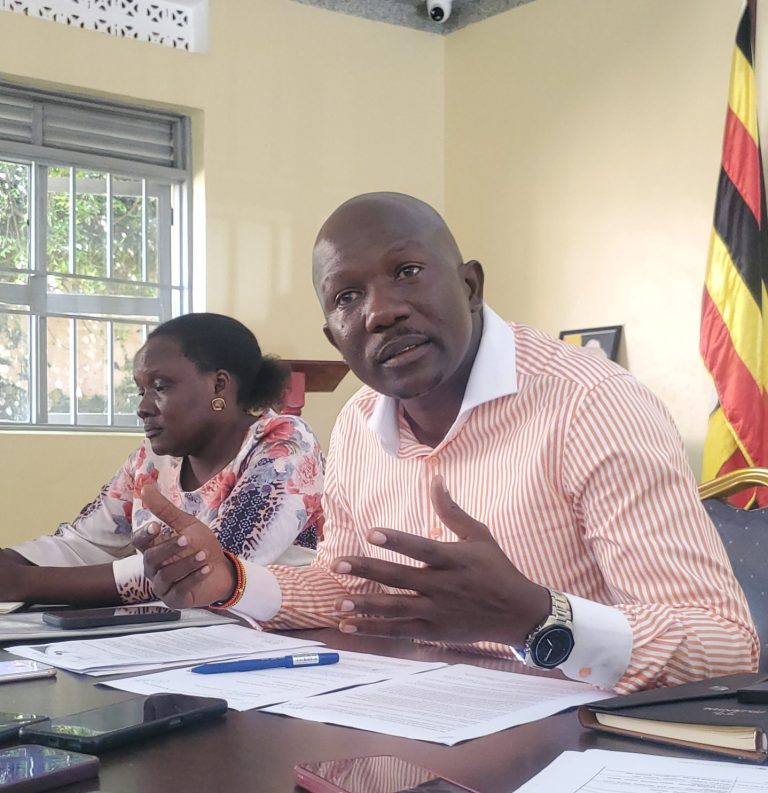
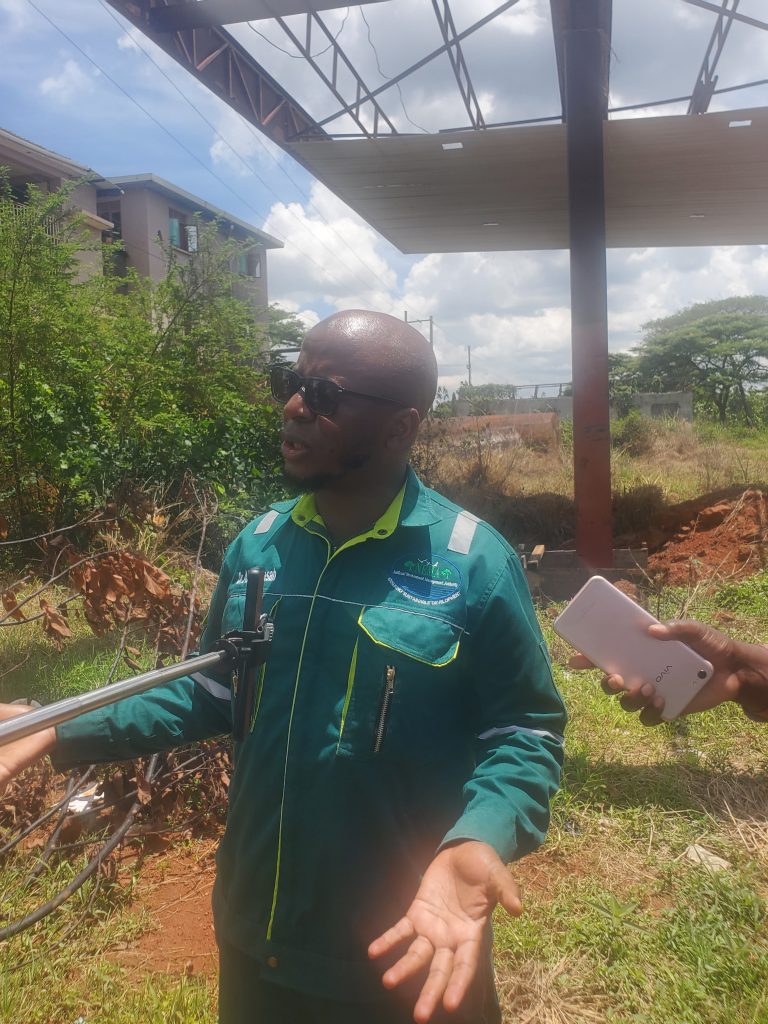
Voice-1: Dr Pebalo says restrictive laws on abortion driving young girls to crude method.
Doctors report that many patients arrive too late, after severe infections, organ damage, or irreversible infertility.
Dr. Komakech explains that, “you will discover that they have secondary infections, which are very high, due to infections. The uterus has scars that affect the pregnancy.
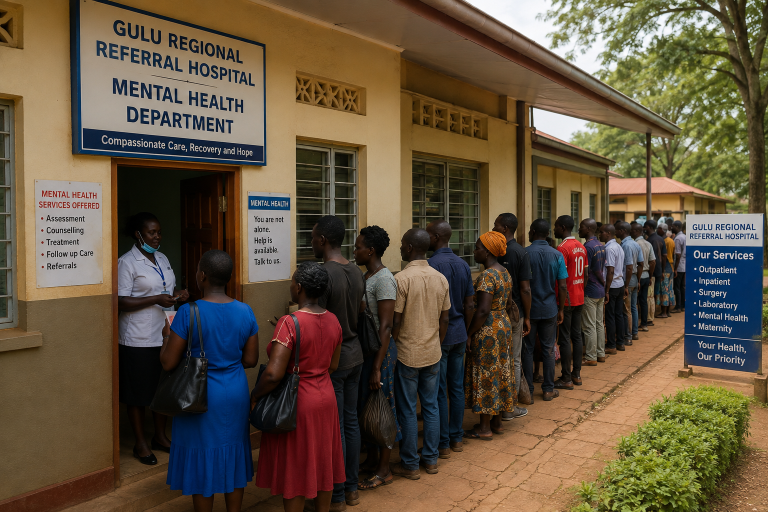
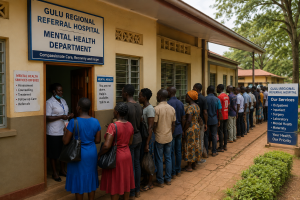
At Gulu Regional Referral Hospital, five to ten women are admitted daily with post-abortion complications.
Yet many more cases remain hidden in communities.
A burden carried in silence
Counsellors working with survivors say stigma remains one of the biggest drivers of unsafe abortion practices.
Alice Adongpiny, a psychosocial counsellor in Gulu District attached to a health centre IV, says many young girls feel trapped and alone.
“These girls are dealing with fear, shame, and trauma, especially those who are survivors of rape. They don’t feel safe speaking to parents or community leaders,” she says.
Akello explains that for many, abortion becomes a desperate attempt to escape social consequences.
“They are not making these choices because they want to. They feel they have no option.”
She adds that the psychological toll is often ignored.
“Even after surviving the physical complications, many of them struggle with guilt, depression, and suicidal thoughts.”
These girls seek post-abortion care at Gulu Regional Referral Hospital after experiencing complications, and most of them fear openly sharing their ordeal.
Dr. Pebalo says post-abortion care requires psychological counselling to help them open up, but there are not enough trained personnel to provide this support.
Voice-3: Dr Pebalo sheds more light on what they do save such men
Freddy Odong, a psychology counsellor attached to the hospital’s mental health unit, said that in 2023, he helped a 20-year-old girl who had illegally terminated her pregnancy to recover from the traumatic experience.
The girl had been impregnated by a 45-year-old man, but due to stigma and fear, she decided to use a mixture of herbs to abort. Unfortunately, she later developed complications and was rushed to the hospital.
“She told me that the man refused to help her, and with the guidance of an elderly woman, she decided to terminate the pregnancy,” Odong adds.
Odong notes that all girls and women who survive abortion need to undergo mandatory counselling to support their full recovery.
“It takes time to recover. After I counselled this young girl, it took her a long time to heal, but now I am happy she called me recently to say she is okay and is now fully married,” Odong maintains.
According to Olok Charles, an herbalist at Pabbo Town Council in Amuru District, it is elderly people who have continued to encourage rudimentary abortion in the villages. Olok says that as an herbalist, they are against taking lives.
Although Odong confirmed that many young girls approach herbalists to help them conduct abortions, the herbalists have always advised them not to end a human life and to carry the pregnancy to term.
“Life is important; in Acholi, abortion was never common. We don’t give them such herbs. We are taught at Gulu University to save life, not to kill,” he narrates.
Gulu University is currently conducting training for herbalists on indigenous knowledge and the indigenous knowledge system.
Across Uganda, post-abortion complications remain a major contributor to maternal mortality. In the Acholi sub-region alone, nearly 9.4% of maternal deaths have been linked to post-abortion complications, many involving teenage girls.
At Gulu Regional Referral Hospital, doctors report receiving between five to ten women daily suffering from complications related to pregnancy loss—both spontaneous and induced.
But behind these numbers lies a darker reality.
Many cases go unreported.
“Some young girls die in the villages. They are never counted. We may be looking at a much bigger crisis than the data shows,” Dr. Pebalo explained.
The law and its limits
Uganda’s legal framework on abortion remains restrictive.
According to human rights lawyer Cinderella Alimuchan, abortion is largely criminalised under the Constitution and Penal Code, except in limited circumstances—such as when the life of the mother is at risk, or the fetus is not viable.
“Any person who attempts to procure an abortion commits an offence punishable by law,” she explained.
However, she emphasised that post-abortion care is legal and essential.
“There is no law prohibiting post-abortion care. Denying it would violate a woman’s right to health and life,” she said.
Despite this, confusion around the law has led to fear among both patients and health workers, sometimes even resulting in arrests of doctors providing care.
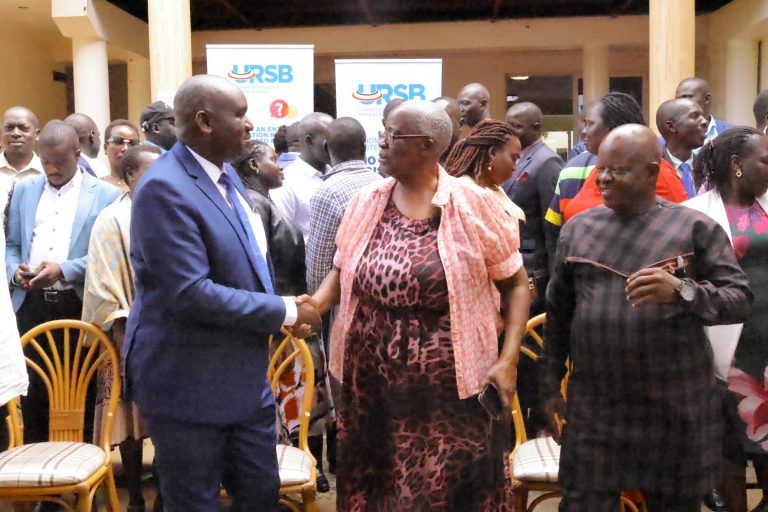
Voice-2: Counsel Alimocuchan exolaining the restrictive law on abortion
Dr. Komakech Simon believes that legalising abortion may save many young girls from dying since most of them lack education on sexual reproductive health and rights.
“A strict law needs to be put in place, like in other countries, on unwanted pregnancies, then abortion will be aborted,” he adds.
A public health emergency
Globally, unsafe abortions account for a significant share of maternal deaths, with Africa recording some of the highest rates.
In Uganda, past estimates suggest up to 800 abortions occur daily, many of them unsafe.
Health experts argue that the issue is no longer just moral or legal; it is a public health emergency.
“This is preventable,” Dr. Pebalo stressed. “No woman should die from something we can address.”
“Most of these patients come when the situation is already very bad,” he explains. “They delay at home, or seek unsafe methods first, and by the time they reach us, they are in critical condition.”
Many arrive with severe bleeding, overwhelming infections, or organ failure.
Some need emergency surgery.
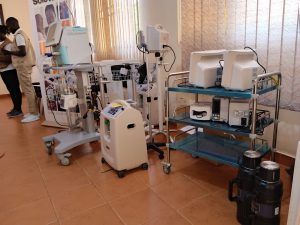
Others need blood transfusions, something not always readily available.
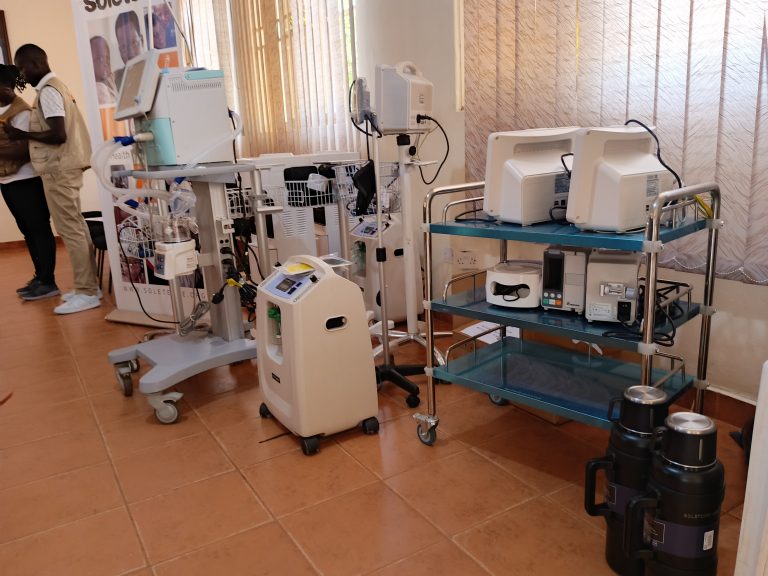
“We struggle with shortages of blood, limited equipment, and sometimes inadequate staffing, especially in lower health facilities,” Dr. Pebalo says