

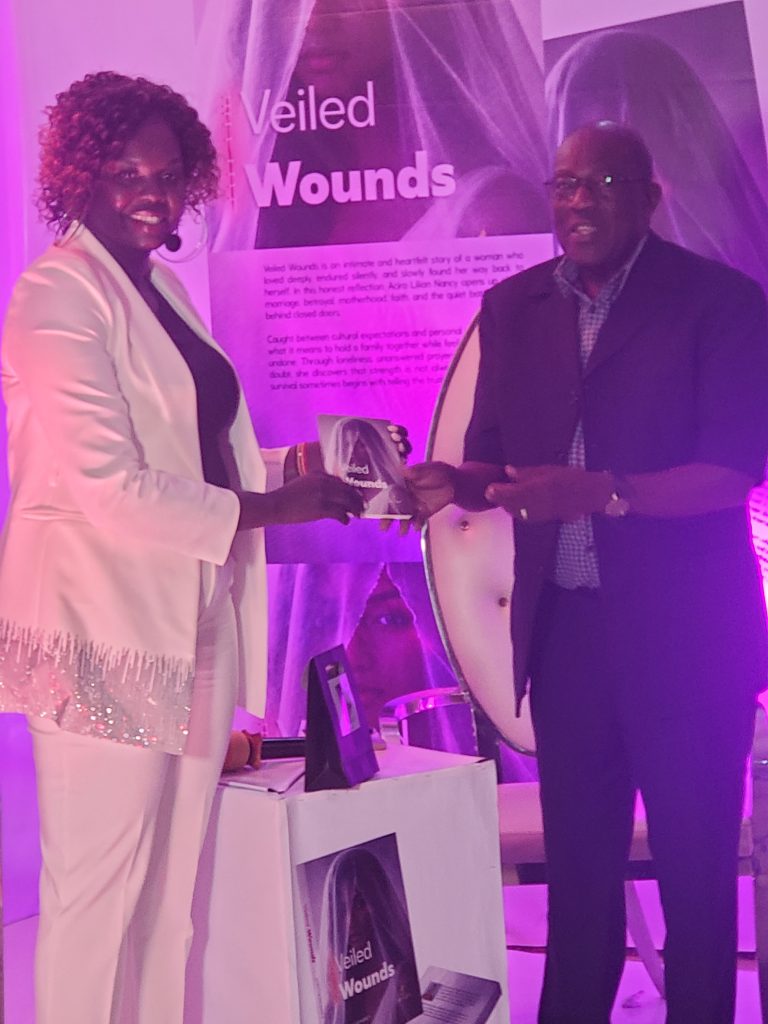
Veiled Wounds is an intimate story of love, resilience, and healing, celebrating the strength of women and the courage to speak the truth.
By Chowoo Willy
GULU, May 4, 2026 — Beneath the appearance of stable homes, successful careers, and happy relationships, many Ugandans are silently breaking.
Powerful personal testimonies and bold reflections on relationships, silence, and healing dominated the launch of Veiled Wounds, as speakers challenged societal norms that keep many suffering behind closed doors.
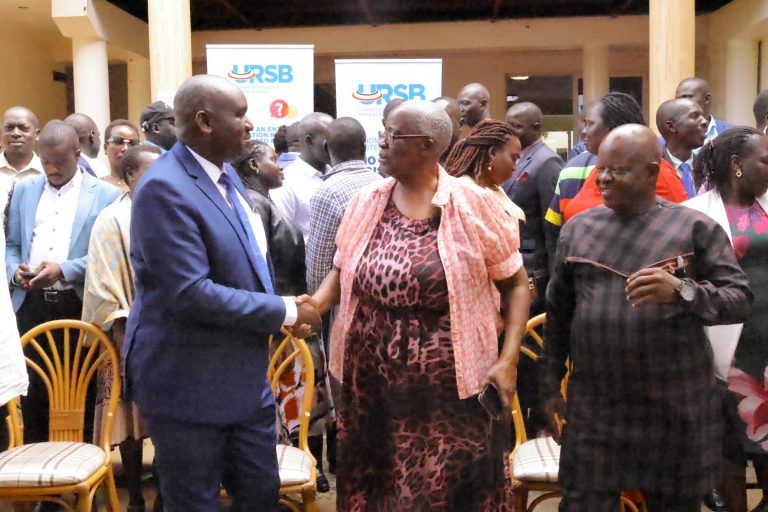
The event drew writers, religious leaders, academics, and community members, all united around a central message: untold stories are costing lives.
Veiled Wounds is an intimate story of love, resilience, and healing, celebrating the strength of women and the courage to speak the truth.
People are suffering quietly
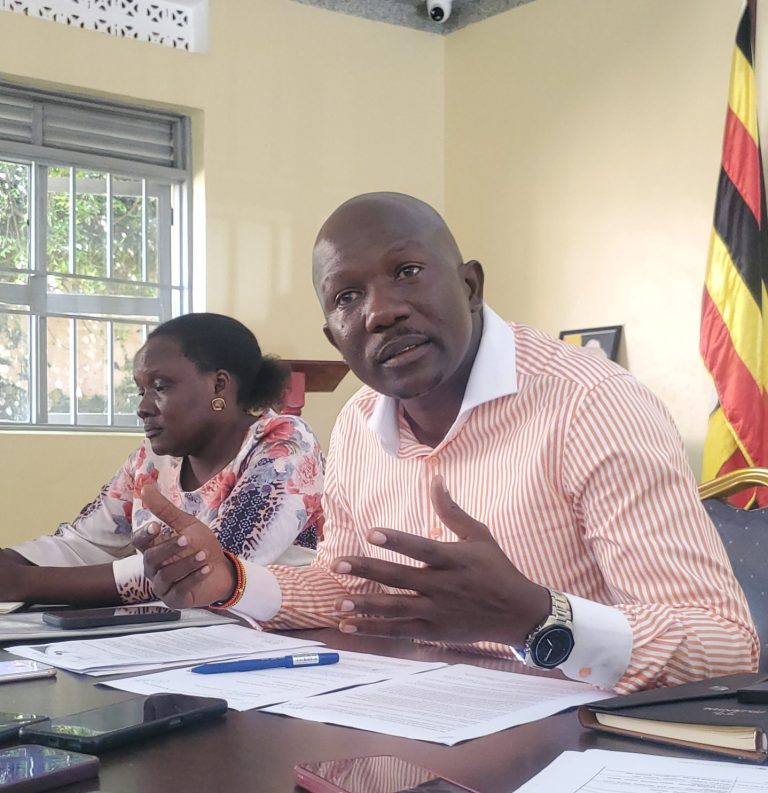
Osborn Geoffrey Oceng, the Resident District Commissioner of Amuru District, speaking as the chief guest at the launch, shared deeply personal encounters that reflect a wider social crisis. He reflected on the growing burden of invisible pain affecting professionals, families, and communities across Uganda.
“Everything in my life looks fine, but I cry alone almost every night,” he recalled a woman telling him after a meeting in Gulu, highlighting the quiet emotional struggles many endure.
He said such hidden struggles are common across Uganda, cutting through all social classes.
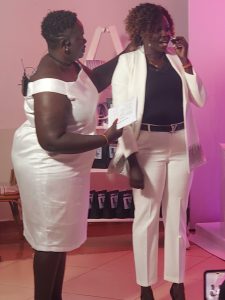
“We live in an era where success is displayed, and pain is hidden… many people are breaking inside,” he added.
Oceng warned that pressure to succeed, family expectations, and emotional silence are driving many into distress, making books like Veiled Wounds critical in opening up difficult conversations.
From silence to storytelling
Aliker Martin P’ Ocitti, a book author and editor, while giving the keynote address, emphasised the importance of documenting everyday experiences, noting that powerful stories often emerge from informal conversations.
“It is important to translate conversations in bars and salons into books because writing heals and empowers people,” he said.
He challenged Ugandans to support local literature instead of depending on foreign narratives and urged more women to write.
“We still have very few female writers in Uganda. Women must rise and tell their stories.”
A story born from pain
For the author, Nancy Lilian Aciro, Veiled Wounds is not just fiction—it is lived experience.
She revealed that the book reflects the emotional struggles many women endure in relationships where they feel neglected and unheard.
“I wrote the book to represent many women out there who have wounds in their marriages and fear what society may say about them, so they keep quiet,” she said.
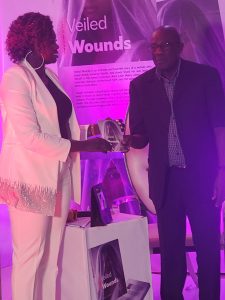
Aciro described her own emotional turmoil, revealing how close she came to breaking point.
“Most of us die silently. By the time a woman speaks, it is already too much,” she said.
“At some point, I felt I was going to die… I had a lot of emotional stress. That is why I wrote this book.”
She urged people in struggling relationships to seek help and speak openly. “You need to speak out, go for marriage counseling, get somebody to talk to… for me, this book is healing.”
She also highlighted the role of social groups in recovery: “It helps to heal… my marriage was at the verge of dying.”
Gender, culture, and the burden of silence
Oceng noted that the book exposes a dangerous imbalance in society, where women are expected to endure while men are discouraged from expressing vulnerability.
“A society where men do not speak pain, and women are expected to absorb it, cannot heal,” he said.
This, he stressed, calls for collective healing and honest conversations across gender lines.
Aliker Martin P’ Ocitti, citing his book The Hidden Scars, said that in the contemporary world, a man is often only considered a husband if he provides for his family, and those who fail to meet this expectation are unfairly viewed as worthless.
He added that society needs to rethink and rebalance expectations in marriages—both in rural and urban settings—to prevent families from breaking apart
Religious and cultural voices reinforced the need for change.
Rev Otim Florence said marriage should never become a source of suffering.
“Marriage should not be something that hurts the two people who have chosen to come together,” she said.
Aciro’s father, Odur Lagen, urged parents to support daughters facing troubled marriages instead of forcing them to stay.
“I would like to apologise to my daughter because I took long, but never shy away from speaking about your problems… if it requires legal action, do it,” he said.
He warned that silence can have fatal consequences: “If you don’t act, either the woman or the children may die.”
Prof. Okumu Charles praised the book as a valuable addition to Uganda’s literary landscape.
“We must continue to write books that tell our own stories,” he said.
The RDC warned that modern society is increasingly defined by outward success but inward distress, careers, and relationships. and social expectation masks deep emotional strain
“We live in an era where success is displayed, and pain is hidden… many people are breaking inside,” he said.

He pointed to rising pressure among young professionals to succeed quickly, while families demand support that often exceeds financial capacity. This, he said, is straining relationships and mental well-being.
The book, he added, captures this tension through characters shaped by duty, silence, and unmet emotional needs.
More than a book—a mirror to society
Speakers described Veiled Wounds as a reflection of modern society, where emotional pain is often hidden beneath the surface of seemingly perfect lives.
Oceng emphasised that storytelling remains a powerful tool for healing and social transformation.
“Healing begins when truth is allowed to breathe,” he said.
As the event concluded, one message stood out clearly: silence is no longer an option.
For many, Veiled Wounds is not just a novel—it is a call to confront reality, speak out, and begin the journey toward healing.
In his closing remark, Oceng described Veiled Wounds as more than a literary work, calling it a reflection of Uganda’s current social reality
“Healing begins when truth is allowed to breathe,” he said, urging writers, educators, and young people to document both pain and honesty.
He encouraged the public to support local authors and promote a culture of reading and storytelling.
About the book
Veiled Wounds explores themes of emotional struggle, societal expectations, and the hidden burdens individuals in modern African society carry. Through fiction grounded in real-life experiences, the book challenges readers to confront uncomfortable truths about identity, relationships, and resilience.





2 Responses
This is a very well written story which so many women relates so much with and I hope Veiled Wounds enables marriage people so how much their actions causes pains to their partners.
Thank you for opening up , it is a story worth telling. Bravo!