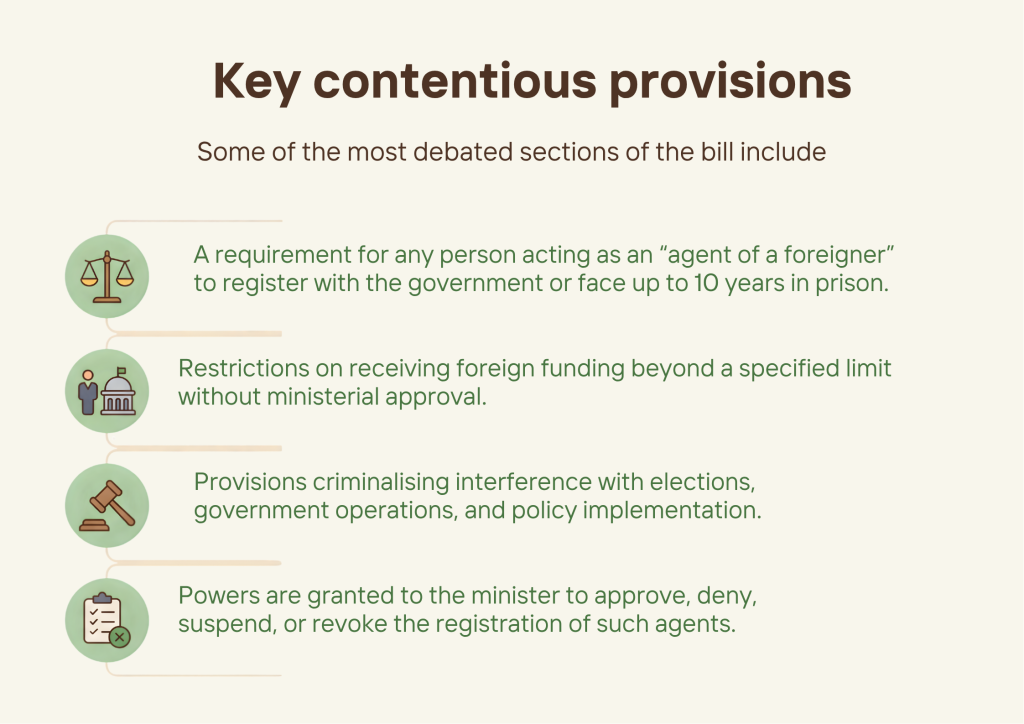
Among its key provisions, the bill proposes the registration of all ‘agents of foreigners,’ strict regulation of foreign funding, and criminal penalties for actions deemed to promote foreign interests against those of Uganda.
By Willy Chowoo
Ugandans living abroad have raised concerns that the proposed Protection of Sovereignty Bill, 2026, could undermine their constitutional rights as citizens.
The draft law seeks to “provide for the protection of the sovereignty of the people of Uganda” by regulating what it describes as agents of foreigners, including individuals, organisations, and even Ugandans living abroad who may act in the interests of foreign entities.
Among its key provisions, the bill proposes the registration of all ‘agents of foreigners,’ strict regulation of foreign funding, and criminal penalties for actions deemed to promote foreign interests against those of Uganda. It also prohibits individuals from engaging in activities such as influencing government policy, interfering with elections, or promoting foreign policy without government approval.
Ps Ogenrwot Dicken, a church leader with dual citizenship—Ugandan by birth and a British national—argues that the bill seeks to criminalise Ugandans residing in the United Kingdom.
“For me, this bill is criminal and should be rejected by the citizens; we have more than 2000 Acholi living in the United Kingdom alone. This is a very bad law,” Ogenrwot notes.
He warns that the law could have significant economic consequences, noting that Ugandans in the diaspora contribute substantially to the country’s economy through remittances, which are among the leading sources of foreign income.
“This is like a slap on us all. We think they are either being bewitched or they are doing something they don’t know. This bill should not be passed,” he argues.
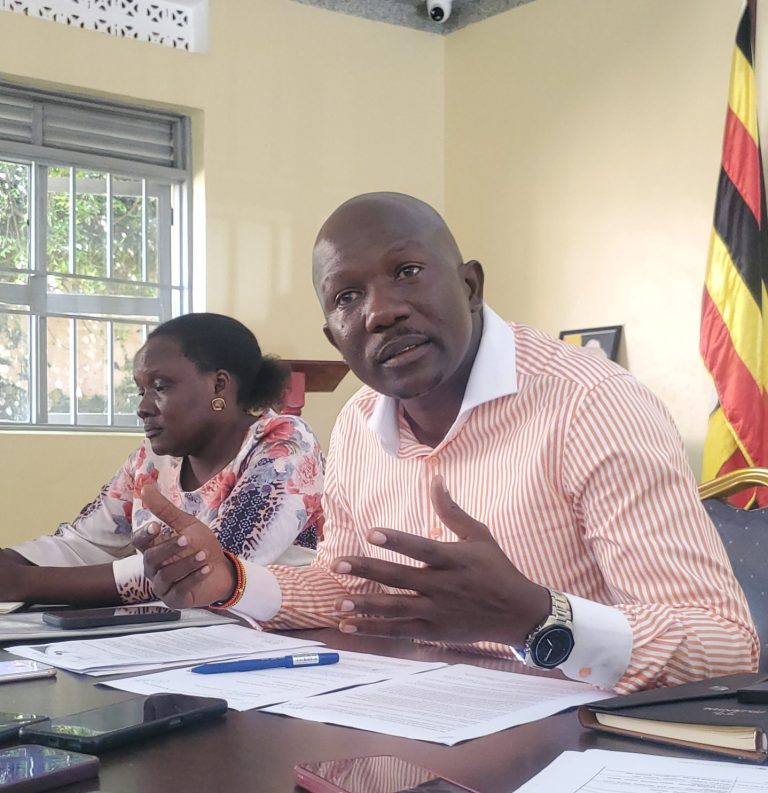
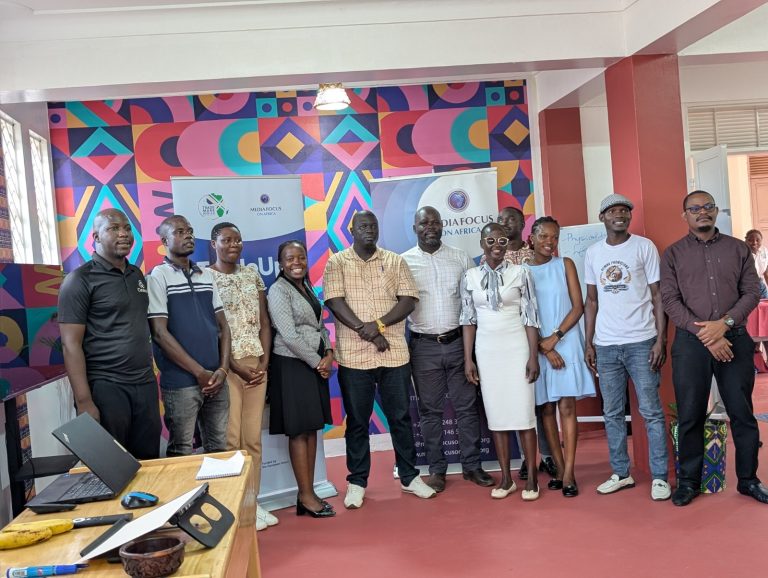
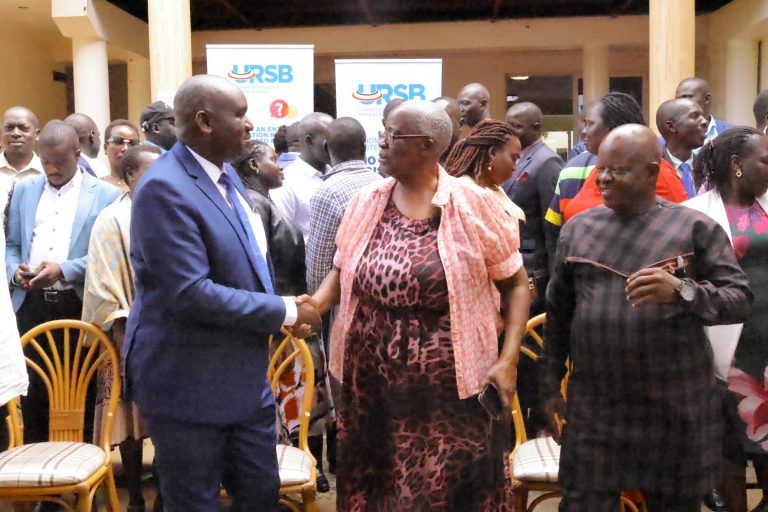
Ps Ogenrwot was speaking during a stakeholders’ dialogue on the Protection of Sovereignty Bill organised by Gulu NGO Forum in Gulu City on Tuesday.
According to the draft, a “foreigner” includes not only non-citizens but also Ugandan citizens residing outside Uganda, as well as international organisations and foreign-funded entities. Critics say this broad definition could directly affect the diaspora.
The bill further introduces heavy penalties, including fines and imprisonment of up to 20 years for individuals found guilty of promoting foreign interests against Uganda or engaging in what it terms “economic sabotage.”
Former Gulu Municipality Member of Parliament Lyandro Komakech says the bill undermines the Constitution and expressed concern that it could be passed due to the numerical strength of the ruling NRM party in Parliament.
Hon. Lyandro notes that this is a critical test for Parliament: “This is a crazy idea for discussion; it should not be called a bill. The members need to ensure that this bill does not go through.”
He further lamented that Parliament has increasingly become an extension of the executive, stressing the need for a more inclusive political system that accommodates diverse views. He also questioned the ambiguity in defining concepts such as “agents of foreign influence.”
Komakech cautioned that, if enacted, the bill could deter investors and deny the country valuable economic opportunities.
Former parliamentary candidate and NUP flag bearer for the Gulu City women’s seat, Ps Concy Lagum, believes the bill is politically motivated and targets individuals associated with NUP president Bobi Wine.
“I totally reject this bill. As a prayer warrior, I am going to pray so that the bill is not passed,” she notes.
Ps Lagum, who is married to a Ugandan with dual citizenship, says the bill directly threatens her family.” This will affect my husband, who lives in the UK and is a Ugandan by birth.”
Odong Geoffrey, a policy analyst and former candidate for Gulu District LCV Chairman, warns that the bill could have severe implications for employment.
“It is a bigger effect on employment, so many people may be rendered unemployed.”
Concerns over the rushed process
Several residents in the Acholi sub-region have criticised the speed at which the bill is being processed, arguing that it limits public participation.
Adyero Shiela from Nwoya District says many Ugandans, especially in rural areas, are unaware of the bill.
“The majority of the population in the villages don’t know about this bill; we feel it is being rushed.”
Ouma Christopher, a UPC supporter, argues that the bill is regressive and misdirected. He suggests that legislation should instead focus on protecting citizens from external exploitation.
“All sectors have been taken away. The bill should regulate the activities of foreigners to protect the locals, but not the interests of a few individuals,” he adds.
He further notes that the country would benefit more from laws regulating alcohol consumption than from the proposed sovereignty bill.
Odongyoo Francis, executive director of HURIFO, says the bill could introduce new offenses while granting excessive powers to the responsible minister, which he believes is detrimental to the country.
“This bill in one way or another directly affects everybody; it will not help us. We are preempting this debate because of the fear of the quality of people we have in the parliament,” he notes.
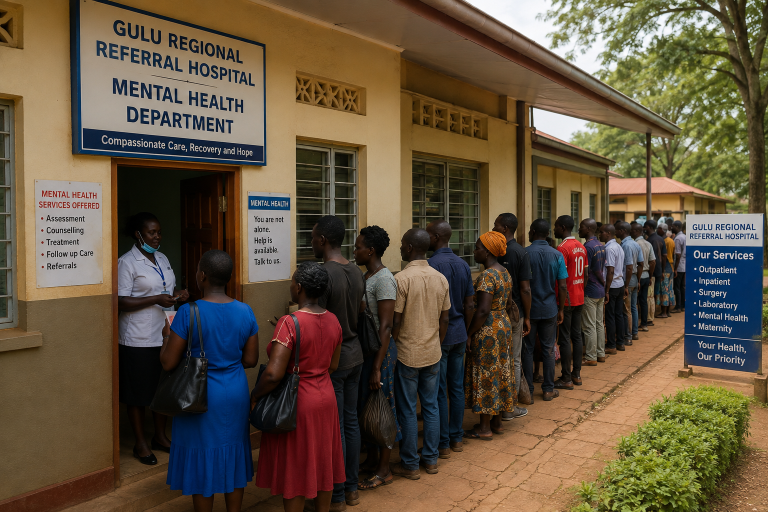
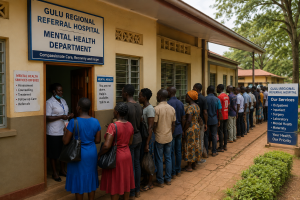
He adds that Northern Uganda, which is still recovering from decades of armed conflict, could be disproportionately affected. Non-governmental organisations working to rebuild the region—particularly in sectors such as education and healthcare—may face significant challenges if the bill becomes law, especially given the proposed restrictions on foreign funding and operations.