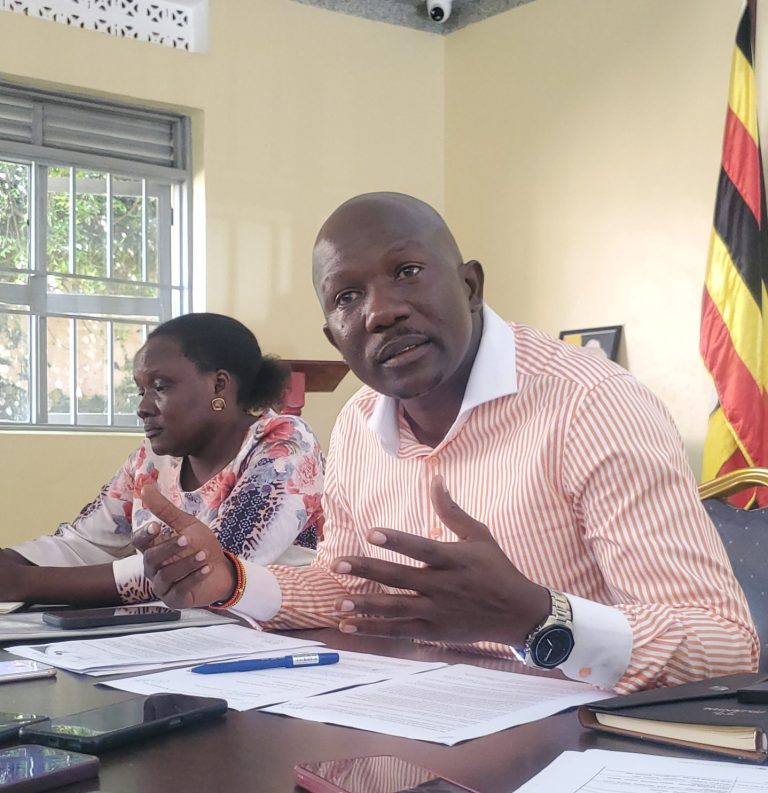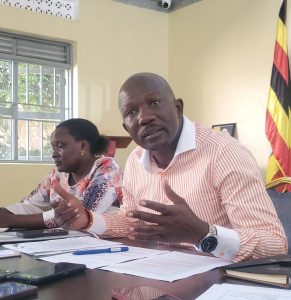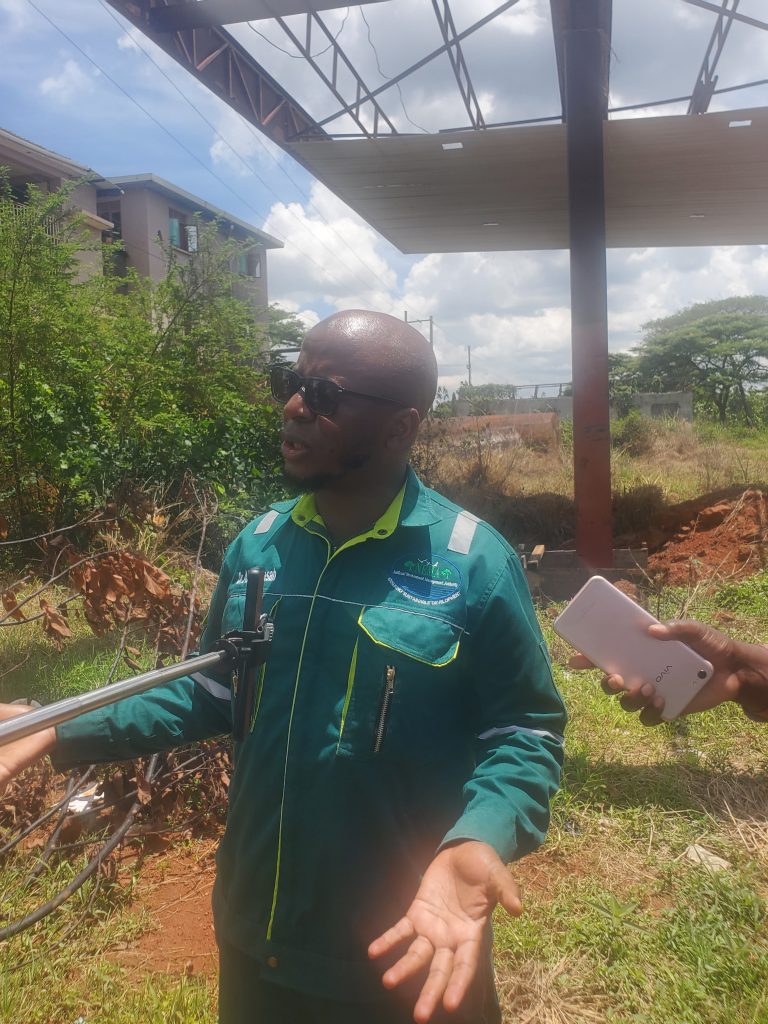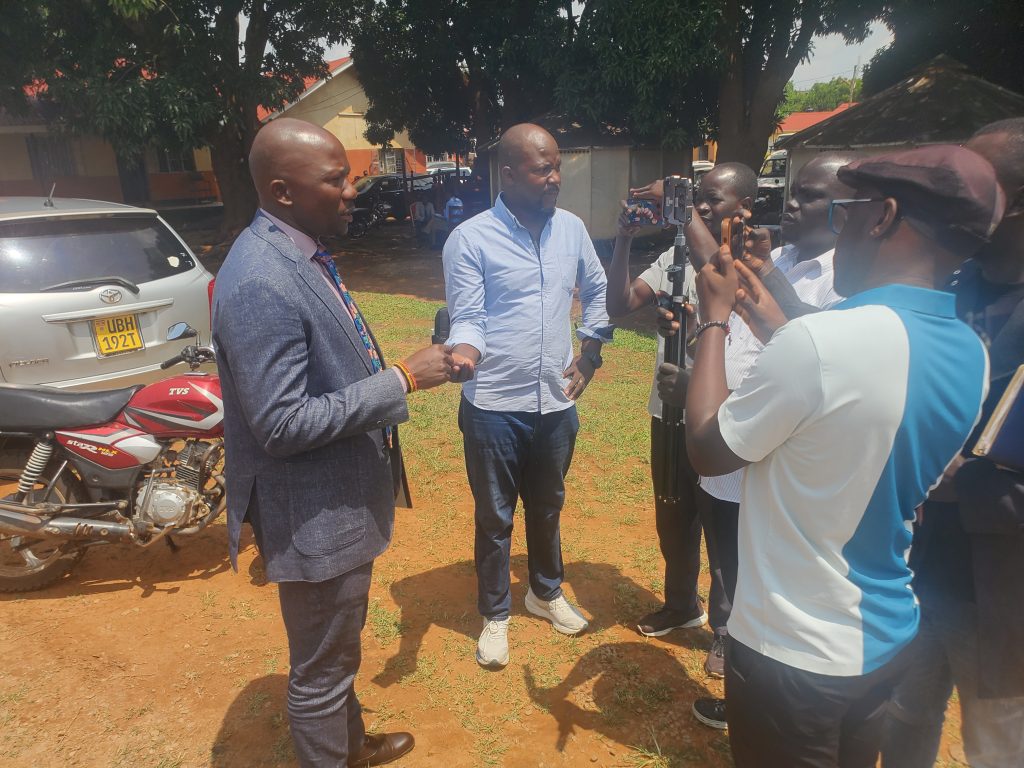
Gulu City Mayor Achire Julius Labeja addressing journalists shortly after the meeting at the city yard on Tuesday.
The commission had earlier turned down a request by the Gulu City Land Board to title the land for development into a green park for the city.
By Willy Chowoo
Gulu City
The Uganda Land Commission (ULC) has taken a decision on the allocation of plots to some private investors in Gulu City, in a move that has sparked public concern.
The investors reportedly applied to redevelop part of the Kaunda Grounds, measuring approximately 28 acres in Green Valley Cell, Kanyagoga Ward, Gulu City, but the proposal was met with public outcry.
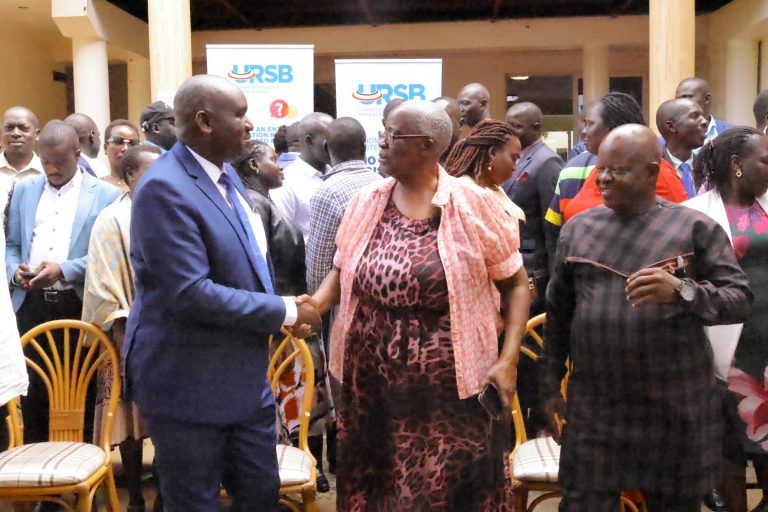
Speaking during a stakeholders’ engagement on the new government land inventory programme in Gulu City on Tuesday, Bahunguli Ronnie, a Senior Land Management Officer with the commission, said a decision had been reached, although details were not disclosed.
“And if I might be allowed to communicate that, the decision from the commission will be coming very soon to Gulu. And it’s a good one for the people of Gulu. “Bahunguli adds.
The commission had earlier turned down a request by the Gulu City Land Board to title the land for development into a green park for the city.
The matter was deferred due to pending applications from private investors seeking allocation of the same land and ownership of the land.
“When Gulu City tried to title that land, the commission wrote to the land board and asked them not to proceed with that land because there was already some allocation; we requested that we have stakeholder engagement to address it.” He added.
The contested land lies close to Pece Stream, stretching from behind Cynibel Supermarket along Walter Opwonya Road up to Kaunda Grounds.
Gulu City authorities intend to transform the area into a green public space with financial support from the World Bank.
As city residents anxiously await the Land Commission’s decision, questions over ownership remain unresolved, with uncertainty over who the land rightfully belongs to.
The Comprehensive Government Land Inventory programme aims to identify, verify, and document every piece of public land to protect state property from encroachment, fraud, and ownership disputes.
It is one of the country’s most ambitious land management reforms in recent years.
Land Inventory
The Uganda Land Commission has launched a nationwide drive to register all its land under the government land inventory programme.
The exercise is intended to help the commission determine the current status of its land, including its legality and cases of encroachment.
Bahunguli, the Senior Land Officer, says that currently only 26 percent of government land is titled, and the move aims to improve the legal status of public land.
“We are only saying that only 26% of government land is titled. We are coming here for the commission to take stock of government land wherever it is.” Bahunguli explains.
The exercise will be launched in the two city divisions of Laroo-Pece and Bardege-Layibi as part of taking stock of the commission’s land inventory in Gulu City.
The commission has earmarked 62 pieces of land within Gulu City for the exercise. Some of this land is occupied by government institutions such as schools, hospitals, the army, and the police, among others.
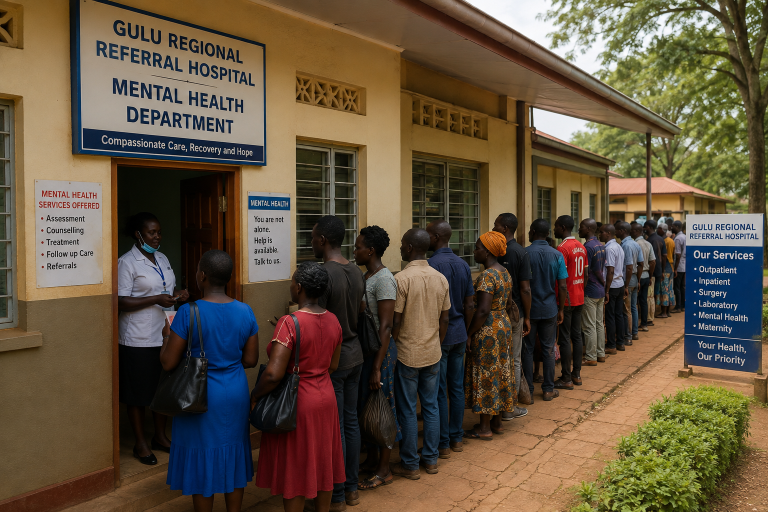
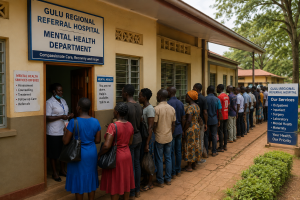
Gulu Regional Referral Hospital is among the institutions appealing to the Uganda Land Commission to help recover its land for expansion.
Some of the hospital’s land is currently occupied by other government entities, including land hosting the Uganda Police at Gulu Central Police Station, Gulu School of Health Sciences, and the former mortuary now given to Gulu University.
Other portions include land previously occupied by the former Laroo Division and currently hosting a market next to the eastern side of the hospital.
The hospital’s Principal Assistant Secretary, Walter Uryek, told the commission that the facility cannot expand and is missing out on several projects.
“We have land that is meant for the hospital, but it is being used for other purposes; if any project comes for us, we cannot implement it, and they are being taken elsewhere,” Uryek notes.
Uryek has implored the government to help recover the land so the hospital can be upgraded to a national referral hospital to serve the country.
“Our appeal is that we can get our land back, and we have Gulu Regional Referral Hospital turned into a national referral hospital.” He adds.
The Chairperson of the Gulu City Land Board, Owor Arthur, welcomed the move by the commission to document land and pledged support from the city.
“We as Gulu City Land Board, in collaboration with the city leadership as well, shall ensure that their land is verified, registered, and well documented,” Owor notes.
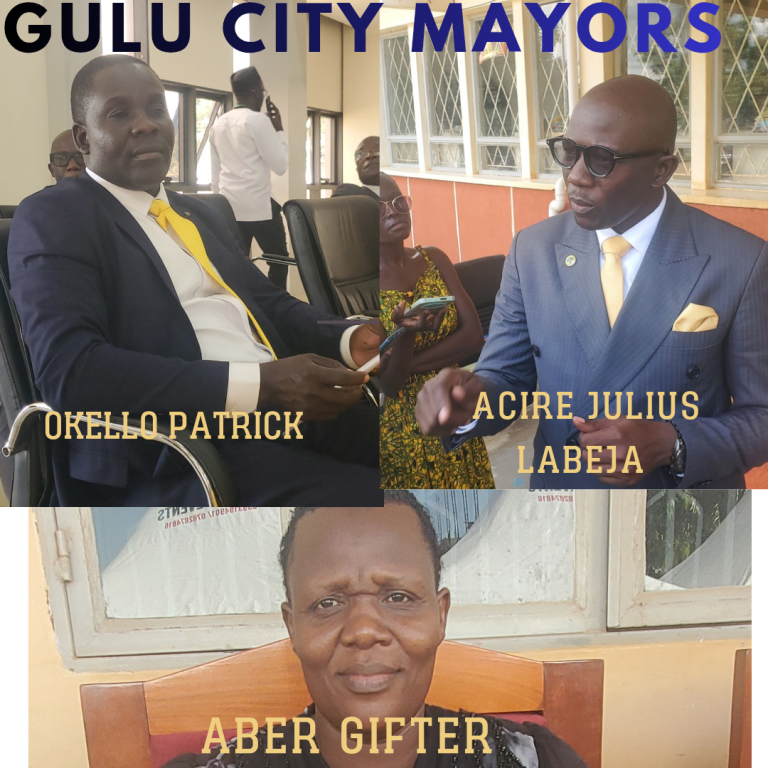
Gulu City Mayor Acire Julius Labeja urged the community not to rely on information circulating on social media but instead to use official offices to handle land issues in the city.
“You elected us to be in the offices, and the city council has got its offices. I can’t be on every WhatsApp group through the night to respond to people; how will I do the work in the council?” Labeja warns.
The issue of land owned by the government through ULC is one of the biggest problems the country is facing now. Gulu City Resident City Commissioner Ambrose Onoria urged the Uganda Land Commission, while handling such matters, to always engage with local leadership in respective areas to avoid future conflict.
“You need to speak with the leadership of the city, and we balance the boat because this is the beginning of a new era.” Onoria notes.
As the government takes stock of land under the custody of the Uganda Land Commission, the issue of Aswa Ranch—whose allocation remains contested—cannot be ignored.
Former Resident District Commissioner Opira Sylvester accuses the Uganda Land Commission of frustrating the will of the people who originally offered the land by allocating the ranch to private investors.
“You are giving the land to some generals and companies; you are chasing away people from there; you are misusing our army.” Opira warns.
The Land Commission says that the matters that will arise from the exercise shall be taken to Cabinet to guide decisions, especially on encroached land and issues of compensation, among others