The leaders’ concern centers around the unauthorized settlement and grazing of cattle by the Balalo, a nomadic pastoralist group accused of encroaching on communal land, destroying crops, disrespecting cultural norms, and fueling land-related disputes in the Acholi sub-region.
By Willy Chowoo | Gulu, June 19, 2025
The Acholi leadership has issued a strong and united call for the full implementation of Presidential Executive Orders No. 3 of 2023 and No. 2 of 2025, warning that failure to enforce the directive, particularly on the eviction of Balalo pastoralists from northern Uganda—threatens peace, trust in government, and communal integrity in the region.
In a joint declaration issued during a high-level consultative meeting held in Gulu City on Thursday and chaired by Livingstone Okello Okello, the leaders applauded what they termed the “consistent position of His Excellency the President” on the contentious issue, but warned that a failure to implement the orders fully and fairly was breeding mistrust, land conflict, and the risk of renewed violence in the region.
“We appreciate the consistent position of His Excellency the President on the Balalo eviction from Acholi, resulting in the presidential directive and the executive orders,” the statement read. “We also recognize the inherent challenges that have all along impeded the successful implementation of the presidential directive and the executive orders.”
The leaders’ concern centers around the unauthorized settlement and grazing of cattle by the Balalo, a nomadic pastoralist group accused of encroaching on communal land, destroying crops, disrespecting cultural norms, and fueling land-related disputes in the Acholi sub-region.
They reaffirmed their commitment to ensuring that the President’s orders, Executive Order No. 3 of 2023 and Executive Order No. 2 of 2025, are fully respected and acted upon.

“As Acholi, we commit to the full and successful realization of all aspects of the executive orders,” the leaders said. “We insist that Acholi must be properly represented in all technical processes—including verification—regarding the eviction of Balalo.”
Undermining Efforts from Within
While the tone of the statement was supportive of the presidency, it also conveyed growing frustration with what leaders described as “deliberate efforts by some state and non-state actors” to frustrate the enforcement of the executive orders.
“We note with deep concern the deliberate efforts by some state and non-state actors to undermine implementation of the executive orders, which has led to a failure to achieve their objectives.”
The leaders warned that the continued presence and activities of the Balalo in Acholi have triggered serious economic, social, and cultural upheavals, exacerbating local tensions and threatening to plunge the region into another cycle of violence.
“These tensions have the potential to spark another spate of bloodletting in the region.”
Erosion of Trust
They concluded with a stark warning that unresolved land-related grievances tied to the Balalo settlement will severely damage the relationship between the Acholi people and the government.
“If left unresolved, the Balalo question will significantly erode the trust and confidence of the local communities in the government.”
The joint statement serves as the latest indicator of mounting pressure on the ce
ntral government to enforce land protection measures and honor local customs and land tenure systems. It also signals that northern Uganda remains a sensitive flashpoint in the national land governance debate.
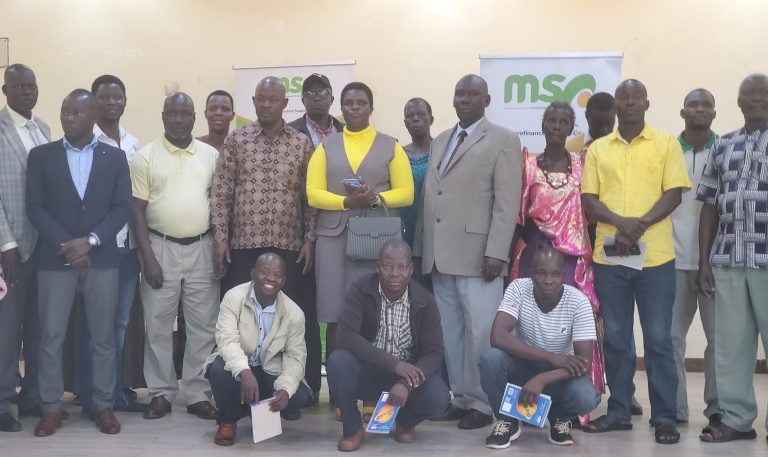
The consultative meeting was attended by the representative of Rocco Paco Foundation, Bila wa, ker Kwaro Acholi, ALRPI, elders and some members of parliament from the sub region.
Voice 1: Statement was read by Robert Mugabe, the Secretary of Wang-OO Initiative
Land Ownership and Customary Tenure at the Heart of the Crisis
When asked about conflicts surrounding private land ownership, Livingstone Ok
ello Okello who chaired the joint Consultative meeting was blunt in his response.
“Ownership of land is partial if it is held jointly with your family it is not your land , you don’t own anything , it is jointly owned by the family , unless land has been surveyed and titled, it is not individually owned—it belongs to all of you ,” he said. “You cannot sell what you don’t fully own. Even banks will not accept such land to borrow money without consent from all co-owners.”
Bishop Emeritus MacLeod Baker Ochola II underscored the cultural and spiritual attachment to land:
“This land belongs to the living, the ancestors buried here, and the unborn children. Nobody has the right to sell it—not even to buy it”. Bishop Ochola said these acts violate our sacred values.”
Rwot John Ogenga Obita II referenced Executive Order No. 5, clarifying that all unauthorized land sales are illegal:
“The order states clearly that Land in the north is communally owned for most of the tim
es and with such land nobody can legally sell it to anybody without permission of the clan or of the family. These sales are therefore null and void.”
Mrs. Betty Kibwota, one of the elders emphasized the need to respect the presidency and the law:
“An order is an order. It is supposed to be implemented as an order. I urge those organizing meetings to challenge it to stop. The President is protecting us from future problems.”
Echoing her concerns, Okello Okello questioned why Acholi communities are often targeted in land enforcement campaigns:
“Why only Acholi? Why are other communities left untouched? What exactly do they want from us?”
Okello Okello also wondered always the Executive Order issued by the president has been subjected for debate or discussions
“If I was the president myself, and people are trying to do otherwise from what I am doing, I will find out from them why, why are you trying to undermine my order, if it was my order I would have done it long time ago,” he noted.
Sheikh Musa Khalil, regional assistant to the Mufti of Northern Uganda and Vice chair
man Acholi Religious Leaders Peace Initiative ARLPI questioned the power of those trying to challenge the presidential order, “an order from the fountain of honour takes precedence and nobody can challenge it, presidential order remains presidential order”
Voice2: Reactions from the elders on question of land ownership in Acholi ( Livingstone Okello Okello, Bishop Emeritus Mcleonard Baker Ochola II, Rwot John Obita Ogenga II , Mrs Betty Kibwota , Shielk Musa Khalil and Livinstone Okello Okello in that order respestively