The November 6, 2025, decision closes the in-absentia confirmation stage that the ICC held in September and formally documents the judges’ conclusion that the prosecution’s evidence is sufficient to warrant a trial.
But while judges have put the case on a firm legal footing, the Court and victims’ groups say the most critical element remains out of its hands, Kony’s arrest and surrender. Until that happens, the case cannot move from confirmation to an actual trial.
By Chowoo Willy
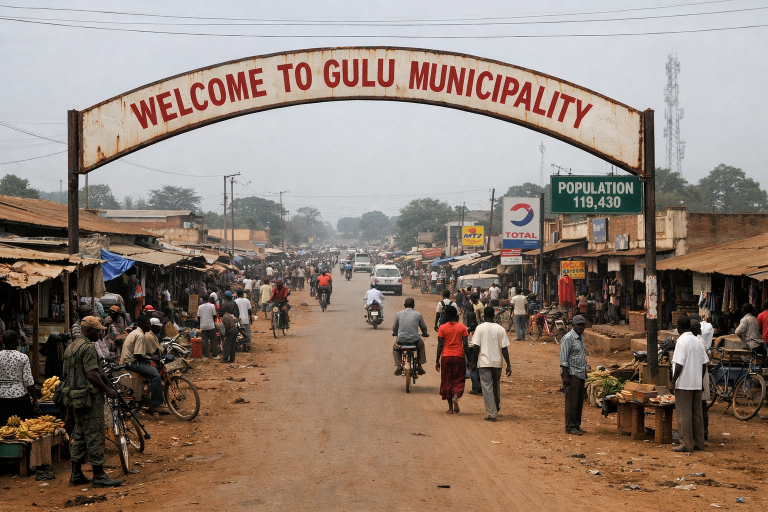
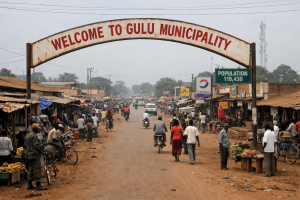
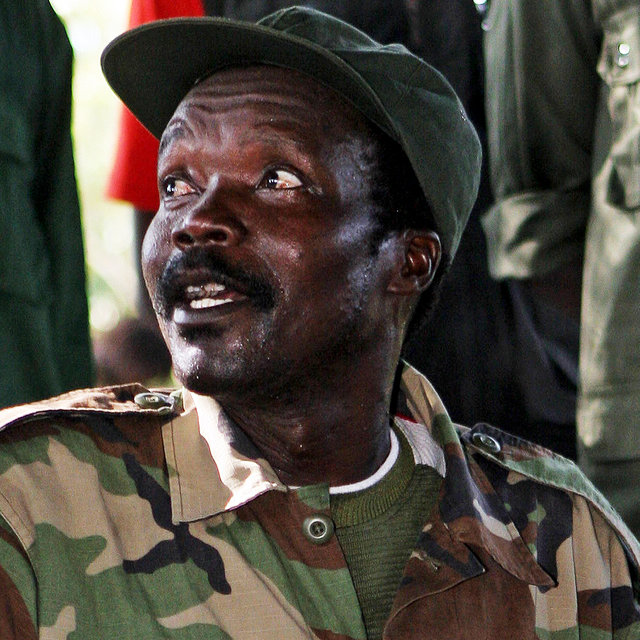
Gulu City-Uganda: The International Criminal Court (ICC) has taken a decisive procedural step in the two-decade pursuit of Lord’s Resistance Army (LRA) leader Joseph Kony: Pre-Trial Chamber III confirmed all 39 charges of war crimes and crimes against humanity brought by the Office of the Prosecutor.
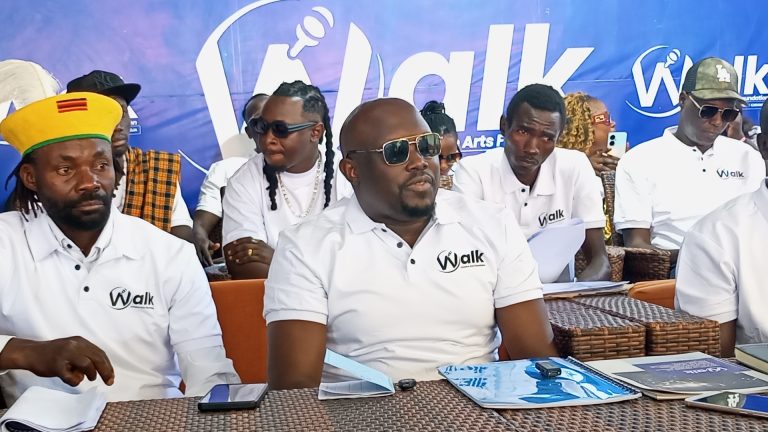
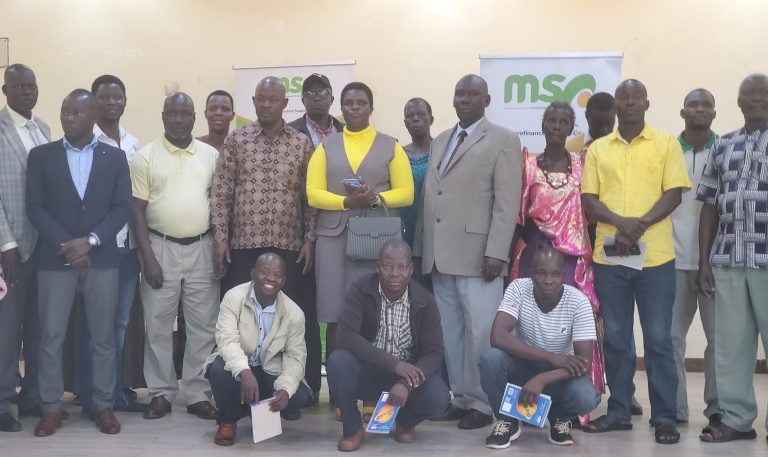
Speaking during a press briefing in Gulu on Wednesday, senior officials from the Office of the Prosecutor (OTP) described the judges’ decision as a “milestone” that strengthens the legal footing of the case and moves the victims closer to long-awaited justice.
Von Braun Leonie, the Senior Trial Attorney leading the Kony case, said the ICC judges followed the prosecution’s assessment and confirmed all charges presented during the in-absentia process conducted in September this year.
“This is truly a milestone,” she said. “All charges we requested have been confirmed. The judges agreed that the evidence is strong enough to move the case to trial. This includes attacks on former IDP camps, the abduction of girls from the Lwala Girls’ School, and the widespread enslavement, rape, and abuse of women and children between 2002 and 2005.”
A Strong Case Ready for Trial
But while judges have put the case on a firm legal footing, the Court and victims’ groups say the most critical element remains out of its hands, Kony’s arrest and surrender. Until that happens, the case cannot move from confirmation to an actual trial.
Kony is accused of co-perpetrating atrocities with senior LRA commanders and, in some cases, directly mistreating victims himself. The charges include attacks on seven IDP camps— Pajule, Barlonyo, Odek, Abok, Lukodi, Abiya and Barlonyo—as well as the systemic abduction and exploitation of thousands.
Leonie said the decision signifies that “the case is on a strong footing” and ready for trial. However, the ICC cannot proceed further until Kony is arrested.
The November 6, 2025, decision closes the in-absentia confirmation stage that the ICC held in September and formally documents the judges’ conclusion that the prosecution’s evidence is sufficient to warrant a trial.
The confirmed charges include a string of atrocities attributed to the LRA campaign between 2002 and 2005: mass attacks on internally displaced persons (IDP) camps, the systemic abduction and enslavement of children and women, sexual violence, including rape and sexual slavery, forced labour, and the abduction of schoolgirls from institutions such as Lwala (Lwala/Lawala) Girls’ School.
The judges found the prosecution’s case strong enough to treat Kony as a co-perpetrator alongside senior LRA commanders, and in some discrete incidents as the direct perpetrator of severe mistreatment.
“Today’s decision is a milestone,” said Von Braun Leonie, the ICC Senior Trial Attorney leading the prosecution team, at a press briefing in Gulu. Leonie praised the judges for endorsing the prosecution’s framing of a case that centres on crimes overwhelmingly impacting women and children, and stressed that the confirmation gives the Office of the Prosecutor written justification to proceed to trial, if Kony is arrested. “We have moved the proceedings past this important stage… when he is arrested, we can go to trial with this case and do not have to go back into this stage,” she said, while acknowledging the deep frustration many victims feel about the long wait for arrest and accountability.
The limits of justice without custody
The ICC emphasises a blunt reality: it has no police or military arm. Arrests depend on member states and international partners. The Court can issue warrants, gather and preserve evidence, and build a trial-ready case, but it cannot unilaterally execute an arrest operation. That operational gap shapes the case’s immediate future. Prosecutors said they continue sensitive work behind the scenes, maintaining witness programs, preserving evidence, and coordinating with partners, but they cannot disclose operational details that might jeopardise potential arrest attempts. “We depend on cooperation from states and partners,” Leonie noted. “To ensure our intelligence is not compromised, we have to treat it very confidentially.”
The ICC’s International Cooperation Advisor for the Uganda situation, Dahirou Sant Anna, reminded audiences that Kony is the only remaining fugitive from the 2005 arrest warrants for five senior LRA figures; Dominic Ongwen was captured, tried, and convicted, while three others—Raster Lukwiya, Okot Odhiambo, and Vincent Otii—were declared dead, and their proceedings were terminated.
Dahirou described the confirmation ruling as a necessary procedural step intended to keep strong cases ready for trial when custody is secured. “This is one step forward towards the delivery of justice to the victims of Joseph Kony’s crimes,” he said. theelephant.co.ug+1
Dominic Ongwen, another indicted LRA commander, was arrested in 2015, tried at the ICC, and sentenced to 25 years in prison. Kony is the only one of the original five suspects still at large.
Earlier calls and local pressure to step up the hunt
The Elephant has tracked calls over several years for more intense efforts to locate and arrest Kony. Coverage and commentaries archived on the site reflect frustration in Acholi communities and among victims’ advocates that the decades-long hunt has yet to yield custody of the man accused of orchestrating atrocities that devastated Northern Uganda and neighbouring territories.
As far back as November 2024, The Elephant reported that the ICC was “stepping up efforts to apprehend Joseph Kony,” describing renewed prosecutorial focus and appeals for enhanced international cooperation to bring the fugitive to trial
In January 2025, The Elephant carried remarks from ICC field outreach officials that underscored the Court’s inability to contact Kony or to confirm his whereabouts. Maria Mabinty Kamara, the ICC’s Field Outreach Coordinator for Uganda, confirmed that the Court and its court-appointed guardian had not been able to communicate with Kony and that intelligence about his location remained uncertain. Those earlier statements, combined with long-standing reporting of Kony’s movement in remote borderlands between the Central African Republic, South Sudan and the Democratic Republic of Congo, have fed a narrative of repeated near-misses and operational complexity when it comes to arresting him
Local voices have also intermittently urged renewed action. Survivors, civic leaders and family members of abductees have made public appeals — sometimes personal, sometimes political — for Kony to turn himself in or for states to increase pressure on areas suspected of sheltering remnants of the LRA. The Elephant’s reporting has documented appeals not only for arrest but also for restorative processes, reparations and long-term psychosocial support for survivors. The confirmation of charges has reignited those calls, with community leaders saying the ICC ruling reopens a pathway to formal accountability that must now be matched by operational cooperation.
Both Leonie and Dahirou Sant Anna acknowledged the deep frustration among victims and communities, especially those in Northern Uganda, who have waited two decades for justice.
“The wheels of justice sometimes move too slowly — but they do move,” Leonie said. “We share the frustration. But this is not a time to lose hope.”
Dahirou echoed this sentiment, noting that the confirmation of charges is “one big step forward in delivering justice to victims.”
Why Arresting Kony Remains Difficult
For the last two decades, the hunt to get LRA leader Joseph Kony on the hook has been futile, as different attempts through state parties and ICC partners have never yielded in the pursuit of Joseph Kony.
The ICC officials reiterated that the Court does not have its own police or military force.
“We depend on cooperation from states and partners,” Leonie said. “This is a very sensitive matter. We cannot disclose details on operational efforts because leaking information can compromise attempts to arrest him.”
She added that the lack of public updates does not mean no action is taking place. “We have got ideas and some intelligence about his movements, but we can’t share, because the information is too sensitive to discuss publicly”, she notes.
Won’t this be another 20 years’ wait to get Joseph Kony, after it took 20 years to confirm charges against him? Von Braun believes that the struggles are not a waste of time as the quest for justice for war victims in the north continues.” This is not a waste of time because it has helped the court to move to the next stage of court proceedings”.
Kony is believed to have operated across the border regions of the Central African Republic, South Sudan, Sudan’s Darfur region, and parts of the DRC, areas where state control is weak.
Why does this case matter now?
Beyond the symbolism, the confirmation creates practical trial prerequisites: prosecutors now have a formal record that a Trial Chamber can rely on when the matter is brought before it. Once Kony is in custody, the normal sequence will unfold: pre-trial procedures will transition to full trial proceedings, during which the prosecution will call witnesses, submit documentary evidence, and argue for convictions. Kony would have the right to counsel and to test the evidence against him.
The ICC has previously demonstrated the heavy logistical, evidentiary and protection burdens such trials entail, as seen in the Dominic Ongwen trial, and prosecutors say they have been preserving and organising testimony and material to meet those demands.
Analysts note that an ICC trial for Kony, should it occur, would be historically significant on multiple fronts. It would be the culmination of a long international effort to hold accountable a leader whose name became synonymous with child abduction and terror in northeastern Uganda, and it would further test the Court’s ability to secure justice in cases where suspects evade capture for long periods.
It could also set procedural precedents about the use of in-absentia confirmation hearings, an instrument the ICC invoked because of the elapsed time and the practical difficulty of securing Kony’s physical presence. International media reporting highlighted that the Kony proceedings could serve as a reference point for future cases involving high-profile fugitives.
Victims’ expectations: the long haul
For survivors and families in Gulu and the wider Acholi sub-region, the confirmation offered both relief and renewed impatience. Many expressed mixed emotions: satisfaction that the Court has affirmed the strength of the charges and anger that the accused remains at liberty. Some victims said confirmation alone cannot close deep wounds: only arrest, trial, and reparations will begin to repair decades of trauma. Local outreach teams from the ICC, including staff such as Maria Mabinty Kamara, said they are working to maintain contact with affected communities and to prepare victim participation mechanisms so that, if and when trial proceedings start, survivors can give evidence and seek reparative measures.
Arresting a decades-long fugitive like Kony is an inherently international task. Governments in the region, multilateral partners and intelligence services become critical actors. The ICC’s officials reiterated that publicising operational details could thwart arrest plans; secrecy, therefore, is a strategic necessity in sensitive moments. But secrecy also fuels suspicion and frustration among victims and local leaders who seek visible signs of momentum. The Elephant’s earlier reporting noted appeals to both regional states and the wider international community to increase cooperation and resources dedicated to tracking LRA remnants and denying them sanctuary.
Looking ahead
With the charges confirmed, the responsibility now shifts to political and security actors who can help bring Kony into custody. The ICC stands ready to prosecute; the evidence, judges determined, meets the threshold for trial. What remains uncertain — and urgently contested — is whether states and partners will find a coordinated, legal and operational path to secure custody without compromising witness protection or regional stability.
For many in northern Uganda, the confirmation rekindles hope that persistent international pressure, improved regional intelligence cooperation, and continued advocacy by victims’ networks might yet produce the arrest that would allow the long-promised trial to proceed.
Until then, the ICC’s paperwork and legal progress are a necessary but incomplete form of justice — a court verdict waiting for the moment the accused stands before it.
Reporting note:
This story draws on the ICC’s decision documents and on reporting and archival coverage from The Elephant, which has followed the Kony case and local reactions over recent years. Key references include The Elephant’s November 6, 2025, article on the confirmation decision, earlier pieces describing renewed ICC efforts to apprehend Kony, and field outreach statements made in January 2025 indicating the Court’s continuing inability to locate or communicate with the fugitive.