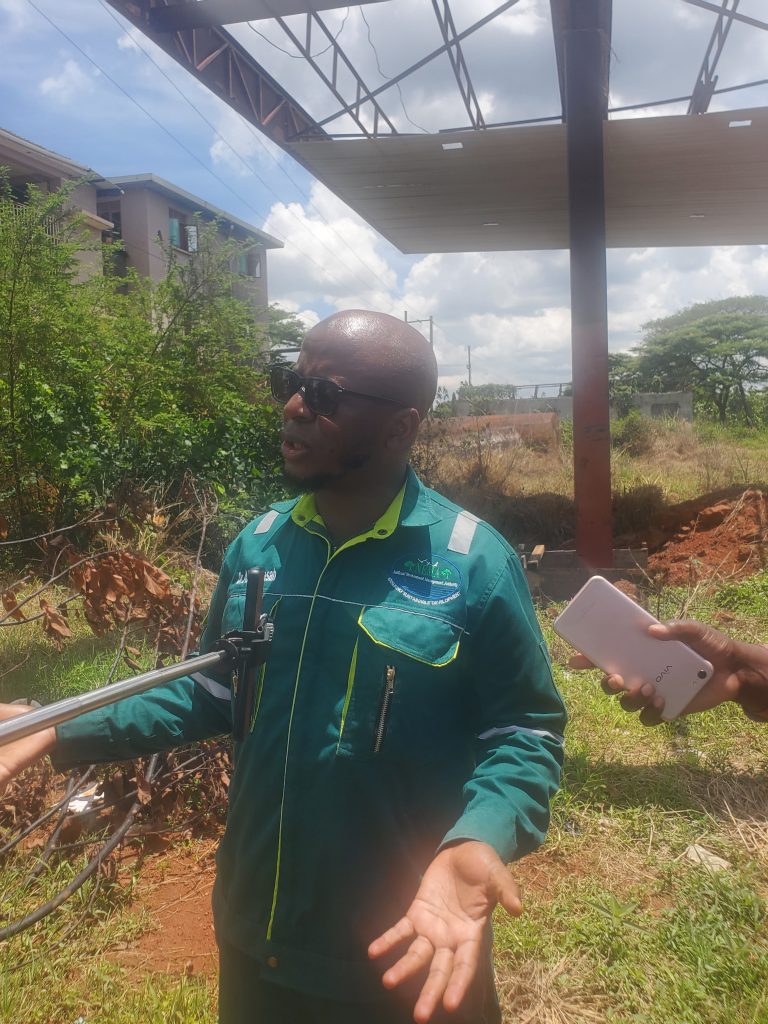
Experts have emphasized the urgent need to “Africanize” Artificial Intelligence (AI) if the continent is to harness its full potential in transforming agriculture. Speaking at the Gaborone International Conference Centre on December 3, 2025, during a morning session on AI for Agriculture, Innovation, and Data Science, Dr. Donna Namujju of Makerere University argued that the current form of AI remains overly westernized and ill-suited for Africa’s agricultural realities.
Dr. Namujju noted that while AI technologies such as those used for remote sensing, commercial farm data analysis, and precision agriculture have been tested and proven in Western Europe, they do not directly translate to the needs of African farming systems.
“AI will not transform agriculture unless it is paired with the realities of smallholder farmers in Africa. We have unique challenges, and AI should be tailored to that unique context,” she said.
Addressing concerns from the audience about AI contributing to unemployment, Dr. Namujju dismissed ears that the technology would replace human labour. Instead, she called on African governments to invest in reskilling the workforce.
She emphasized that AI should be optimized to handle routine tasks not deployed as a tool to render people jobless.
Global Perspectives on AI in Agriculture
Her presentation followed a demonstration by Prof. Ioannis N. Athanasiadis from Wageningen University in the Netherlands, who showcased how the institution is already researching and deploying AI in teaching and agricultural transformation.
Adding to the conversation, Dr. Stephen Opiyo of Patira Data Science (USA) cautioned that the use of AI demands ethical discipline, especially concerning patented data and third-party materials embedded in AI outputs. He warned against plagiarism risks but argued that using AI as a learning tool should not be criminalized if students properly cite their sources.
“It’s high time academic institutions improve their systems beyond the Turnitin software used to detect plagiarism in research theses,” Dr. Opiyo remarked.
The panel also featured Dr. Francis Otto from Mountains of the Moon University, Uganda, who highlighted the potential of AI to support digitalization efforts particularly academic records and institutional transactions.
This formed part of over 14 high level sessions debate at the 21st RUFORUM Annual General meeting from Botswana that deliberately targeted turning higher institutions in Africa as transformative agents of change and development towards Africa’s challenges like unemployment, climate shock among others.
The 21st RUFORUM AGM that took place from (1st -5 Dec 2025) ran under the theme of “Positioning Africa’s Universities and the Higher Education Sector to effectively impact development processes on the continent.”
Ends