Discussions at the conference are focusing on contraception uptake, post-abortion care, clinical competencies, and curriculum development, among other themes. Scientific presentations, poster sessions, and panel discussions are scheduled throughout the three days.
By Willy Chowoo
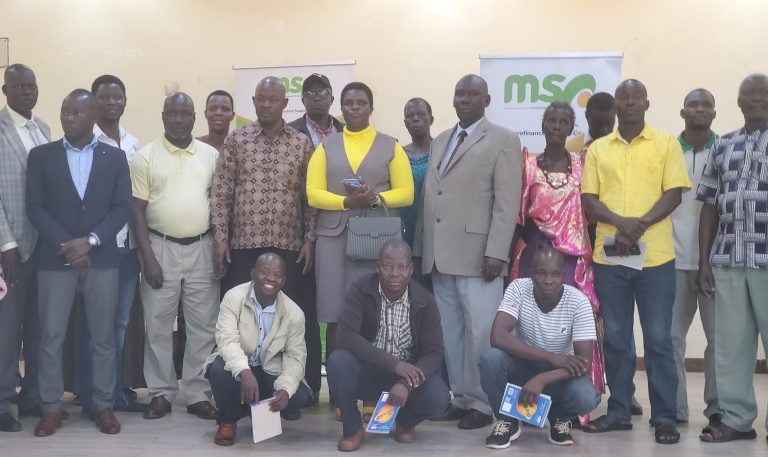
Gulu, Uganda – Gulu University and Lira University are this week jointly hosting the third biannual international conference on Sexual and Reproductive Health and Rights (SRHR), bringing together participants from 22 countries across Sub-Saharan Africa and beyond to deliberate on strategies for reducing maternal mortality and strengthening reproductive health services. The conference is taking place at Acholi Inn Hotel, in Gulu City.
The three-day conference, convened in partnership with the Center for International Reproductive Health Training (CIRHT), has attracted researchers, educators, health practitioners, and policymakers who are sharing evidence-based practices, innovative training models, and locally generated research aimed at transforming women’s health outcomes.
The conference is being held on the theme “Improving the Quality of Sexual and Reproductive Health and Rights Through Pre-Service Training, Research, and Evidence -based Clinical Delivery in Sub -Saharan Africa”
Dr. Pebalo Francis, Lecturer at Gulu University and Principal Investigator at the University’s SRHR Resource Centre, described the event as both a milestone and a testament to the strides universities in northern Uganda have made in advancing reproductive health.
“This conference is a showcase of the progress we have made through partnerships,” Dr. Pebalo said. “Since 2020, Gulu University, working closely with Lira University, has collaborated with CIRHT to strengthen pre-service training, improve clinical service provision, and build capacity in reproductive health. This partnership has transformed our institutions and affiliated hospitals.”
Delegates early in the day toured Gulu University’s simulation laboratory, a facility credited with training dozens of health providers and medical doctors. According to Dr. Pebalo, the lab has significantly improved the quality of care, from contraception uptake to post-abortion care.

“We now see more people accessing family planning services and post-abortion care. The way providers handle complications has greatly improved, and this is saving mothers’ lives. In this 21st century, it is it is not good for us to lose a mother,” he said.
Representing CIRHT, Managing Director Dr. Tamrat Endale emphasized that the Center’s mission is rooted in reducing maternal mortality and morbidity across Africa. He acknowledged both Gulu and Lira Universities for demonstrating readiness to host the conference and for their leadership in reproductive health training.
“Our ultimate goal is reducing maternal mortality and morbidity in our region.,” Dr. Endale told journalists. “We focus on curriculum reform, clinical service improvement, and research support. In Uganda, our partnerships with Gulu and Lira Universities have shown that change is possible.”
He added that Uganda has made significant progress in reducing child mortality over the last decade, attributing some of this success to collaborations between academic institutions and the Ministry of Health.
Research at the Core
Dr. Yolanda Smith, Research Director at CIRHT and a faculty member at the University of Michigan, highlighted the importance of local research in addressing reproductive health challenges.
“Local research is important for developing the evidence that’s needed to determine the best practices in clinical care, the best programs, the best policies to advance women’s health in your community, in your country, and so this is what CIHRT supports,” Dr. Smith said.

Dr. Yolanda noted that both Gulu and Lira Universities have benefited from competitive seed research grants. “Between the University of Lira and the University of Gulu, there were about 46 or 48 seed grants that were given out, all completed, and we are going to be hearing a lot about the successes of that research,” she said.
Building Skills to Save Lives
For Dr. Solomon Geza, CIRHT’s Technical Director, notes that the collaboration with Gulu and Lira Universities is central to CIRHT’s work in Uganda. “By training a competent health workforce, we are laying the foundation for accessible, quality services that will reduce preventable maternal deaths across the continent,” he said.
“One of the biggest contributors to maternal mortality in Africa is the lack of essential skills among healthcare providers,” Dr. Geza said. “So, what CERT is trying to do is ensuring that whoever is graduating from midwifery, nursing, and medical schools have got all the skills that they need for them to be able to provide those essential practical services.”
He explained that the conference not only provides a platform for scientific exchange but also strengthens South–South and North–South collaboration. Delegates include experts from Anglophone and Francophone Africa as well as North America.

“This is truly global,” Dr. Geza noted. “Through these conversations, we expect that participants from all over the region could learn a lot to improve their sexual and reproductive health services in whatever region that they come from.”
Local Gains, Global Impact
Gulu’s hosting of the SRHR conference underscores the city’s growing role in advancing global health discourse. The event is more than an academic exchange—it is also a recognition of the tangible changes that partnerships have brought to local communities.
Delegates visited hospitals affiliated with Gulu University, including teaching hospital, Gulu Regional referral, where improvements in clinical care were observed. Through CIRHT’s support, the university has also acquired modern equipment for digital lecture production, further enhancing training quality.
“These investments are about sustainability,” Dr. Pebalo stressed. “They ensure that future generations of health providers are not only competent but also confident in delivering life-saving services.”
With representatives from 22 countries, the conference has become a melting pot of ideas, experiences, and innovations. Participants include researchers, policymakers, and program implementers from across Africa, all grappling with the shared challenge of reducing maternal deaths and improving reproductive health.

“Africa’s problems may vary in context, but they are often the same at the core,” Dr. Endale observed. “Instead of importing solutions from outside, this conference allows us to learn from each other and develop solutions that are locally relevant and effective.”
Discussions at the conference are focusing on contraception uptake, post-abortion care, clinical competencies, and curriculum development, among other themes. Scientific presentations, poster sessions, and panel discussions are scheduled throughout the three days.
Speakers were united in their message: preventable maternal deaths must end. Through improved training, stronger research, and international collaboration, they argued, Africa can make significant strides toward safeguarding the health of women and girls.
“This is about saving lives,” Dr. Geza emphasized. “Every woman deserves access to skilled care, and every provider must have the skills to deliver it. If we can achieve that, we will have transformed women’s health in Africa.”
For the people of Gulu and Uganda at large, the conference is not only a recognition of progress made but also a call to sustain the momentum. With international eyes on the city, Gulu University has positioned itself as a hub for reproductive health research, training, and innovation. The three days conference runs from 17th to 19th Sept 2025.