The courtroom may be far from Uganda, and the accused may be absent, but the echoes of his alleged crimes—and the resilience of his victims—will be present.
By Chowoo Willy
In a courtroom thousands of miles from the epicentre of his alleged crimes, fugitive warlord Joseph Kony will face justice; without ever setting foot inside. On September 9, 2025, the International Criminal Court (ICC) will convene a confirmation of charges hearing against Kony in his absence, marking a historic first for international law.
Kony, the elusive leader of the Lord’s Resistance Army (LRA), has been wanted since 2005 for 36 counts of war crimes and crimes against humanity, including murder, rape, sexual slavery, and the forced enlistment of children. These atrocities, allegedly committed between July 2002 and December 2005, devastated northern Uganda and displaced over 1.5 million people.
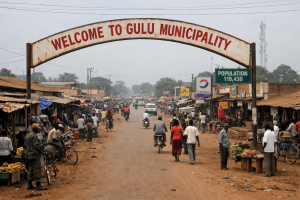
The cases are from the eight case locations in Northern Uganda where the crimes are alleged to have been committed. They include Pajule, Lukodi, Abok and Odek, and others are Lwala Girls SS, Abiya, Barlonyo, and Pagak.
A Trial Without a Defendant
The ICC’s decision to proceed without Kony has stirred legal debate and public interest. Lead counsel Peter Haynes, appointed by the ICC to represent Kony’s legal interests; not the man himself; emphasised the unprecedented nature of the hearing.
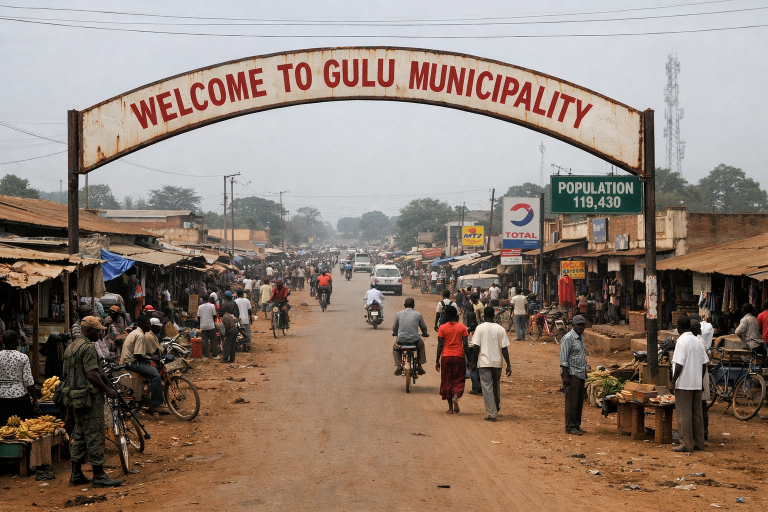
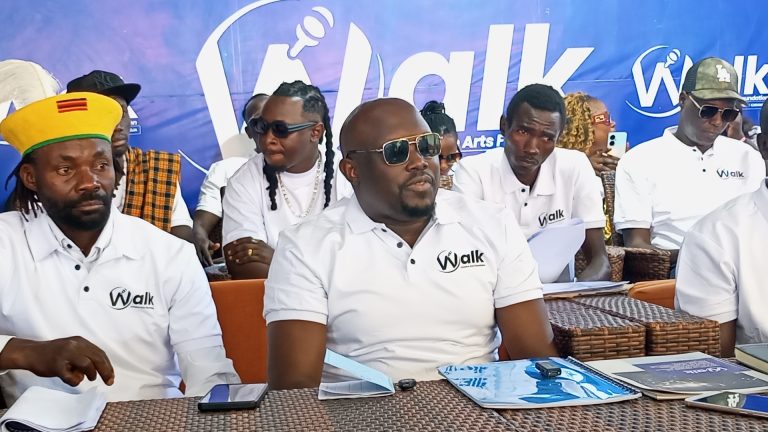
“This is not a trial,” Haynes told journalists in Gulu City. “No one will be convicted, imprisoned, or compensated. It’s a procedural step to confirm the charges that underpin Kony’s arrest warrant”.
Haynes leads a diverse team of eight members of the defence team, including co-counsel Kate Gibson, Canadian lawyer Christopher Gosnell, and Ugandan Acholi lawyer Geoffrey Boris Anyuru. Their mandate is to ensure Kony’s rights ar

e protected during the hearing, despite having no contact with him.
The Kony defence team’s role is both unusual and constrained. They are mandated to ensure the accused’s rights are protected, but without instructions from the man himself.
“We’ve never met him, never spoken to him,” Gibson said. “In other cases, you would sit in the detention unit with your client, talk through the evidence, and hear their side. Here, that entire aspect of defence work is wiped out.”
Instead, the team has spent the past year focused on three main tasks: challenging the legality of proceeding in absentia, questioning whether the process is worth the cost, and engaging with communities in Northern Uganda to understand their views on justice.
But Hayness didn’t rule out standing as Joseph Kony’s lead counsel if he were to approach by him
The defence team initially challenged the legality of holding proceedings in absentia. Gibson explained that they argued before the ICC Appeals Chamber that suspects must be present in court. The chamber disagreed, ruling that the Rome Statute permits such hearings under exceptional circumstances.
Voice 1: Counsel Kate speaking about the unique case.
With legality settled, the team turned to a deeper question: Is this the right path to justice?
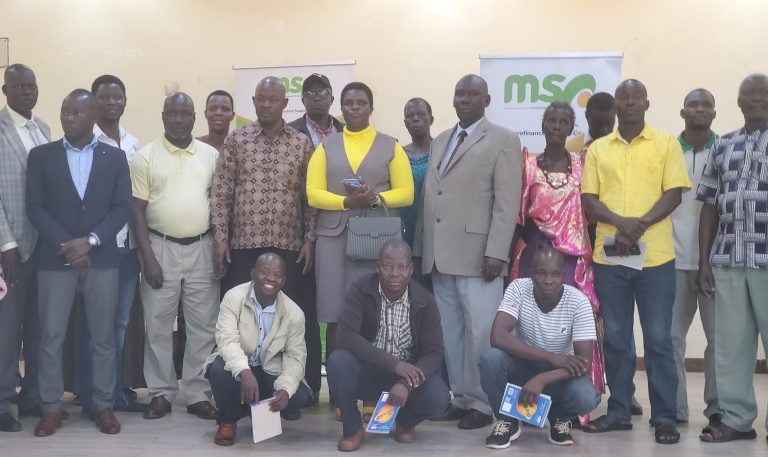
Over the past year, the defence team has travelled extensively across northern Uganda, engaging with survivors, religious leaders, traditional authorities, and political figures. They gathered written statements and submitted them to the court, urging greater community engagement.
“People have mixed feelings,” Gibson said. “Some worry this process could reopen old wounds. Others believe it’s a necessary step toward accountability.”
A case 20 Years in the Making
The roots of the Kony case stretch back to January 2004, when the Ugandan government formally referred the situation in Northern Uganda to the ICC. In a letter to the court, Uganda asked for help; not because it could not prosecute the LRA, but because it could not arrest its leader.
“The letter didn’t say the Ugandan judiciary was incapable,” explained Kate Gibson, the Australian co-lead counsel on the defence team. “It said the government needed the ICC’s assistance to find and arrest Joseph Kony and bring him before a court. That was the primary reason for the ICC’s involvement in this case 21 years ago.”
However, she says as defence team they are ready to represent their client in absentia.
voice 2:Co-lead counsel Kate says the defence team is prepared.
The arrest warrant, the first ever issued by the ICC, came in 2005. But despite international efforts, Kony remained at large. The trail grew cold; until last year, when ICC Prosecutor Karim Khan made a surprising request: to hold a confirmation of charges hearing against Kony in absentia
The ICC’s case against Kony is built on extensive evidence, much of it gathered by Ugandan authorities. The charges span eight specific locations in northern Uganda and focus on crimes committed after July 1, 2002;the date the ICC’s jurisdiction began and December 31, 2005.
This means, other crimes alleged to have been committed by Joseph Kony before July 2002 and after 2005 can be tried in the domestic courts in Uganda.
Victim participation is limited to those affected in these locations or those abducted and forced into the LRA. This narrow scope has raised concerns about excluding other victims who suffered before the ICC’s jurisdiction began.
Gosnell highlighted the principle of complementarity, which states that the ICC only intervenes when national courts are unwilling or unable to prosecute. Uganda, he noted, has a functioning judiciary and an International Crimes Division capable of handling such cases.
“In many ways, domestic proceedings could be broader and more responsive to victims,” Gosnell said. “The ICC is a fallback—not a superior court.”
Voice 3: Gosnell speaks about the principle of complementarity issues surrounding the case.
A Controversial Appointment
Joseph Kony, the elusive leader of the Lord’s Resistance Army (LRA), has evaded capture since a warrant for his arrest was issued in 2005. For years, he has been one of the world’s most wanted men, accused of overseeing a campaign of abductions, killings, and atrocities across Northern Uganda and beyond. Now, in a move the ICC’s own defence lawyers describe as “unprecedented in international law,” the court is preparing to move forward without him.
Haynes defended his appointment, noting that three members of his team are deeply rooted in Ugandan culture. “Understanding the law and managing a complex case is what matters most,” he said.
“It’s never been done before in his absence,” said Peter Haynes, the British lead counsel appointed by the ICC. “The decision to proceed against Mr. Kony was made before I was appointed. The rules require that his interests are represented by a lawyer; but we are not his lawyers. We’re not instructed by him. We’re not in contact with him. We are representing his interests in the confirmation of charges hearing.”
Voice 4: Lead Counsel Peter Haynes speaks about his appointment by the ICC.
The Case Location and the Road Ahead
Despite calls to hold the hearing in Uganda, the ICC ruled it will take place in The Hague, citing logistical and legal constraints. This decision has disappointed some victims’ representatives who hoped for a more locally grounded process.
ICC Outreach Coordinator Maria Kamara Manity emphasized the importance of transparency and public engagement. “This event is part of our outreach to promote understanding and ensure objective reporting,” she said.
As the hearing approaches, the defence team remains committed to their unconventional role. Without a client to consult, they rely on evidence and community voices to guide their work.
Voice5: Maria Kamara speaks about the confirmation of hearing of charges against Joseph Kony.
“We’re not doing what defence lawyers normally do,” Gosnell admitted. “But we’re prepared to adapt to this novel procedure.”
A Symbolic Step Toward Justice
As September 9 approaches, questions linger over what this hearing will achieve. For the defence, the limits are clear: it will neither bring Kony into custody nor deliver reparations.
“We’re involved in a process of limited purpose,” Haynes said. “It’s not going to achieve very much. But we will do our job — to ensure his rights are protected ; and we will be ready.”
Whether the hearing will bring closure or controversy remains uncertain. Kony’s continued evasion of arrest underscores the limits of international justice. Yet for many in Uganda, the hearing represents a symbolic step; a recognition of their suffering and a signal that the world has not forgotten.
As Gibson put it, “This 20-year search for justice must reflect the voices of those who lived through it.”
In the end, the unprecedented nature of the hearing may be its most significant outcome: a legal experiment that tests the boundaries of international justice, raises questions about its costs and priorities, and sparks debate in the communities it is meant to serve.
Whether it brings Northern Uganda closer to closure, or simply marks another chapter in a 20-year pursuit, remains to be seen.
The courtroom may be far from Uganda, and the accused may be absent, but the echoes of his alleged crimes—and the resilience of his victims—will be present.