If all goes to plan, rhinos will once again graze the plains of Ajai before year’s end—a symbolic victory for conservation and a major economic opportunity for local communities.
By Willy Chowoo
Gulu: For the first time in over four decades, Uganda is preparing to witness the return of rhinos to Ajai Wildlife Reserve and Kidepo Valley National Park, an ambitious conservation milestone expected to begin as early as this Christmas.
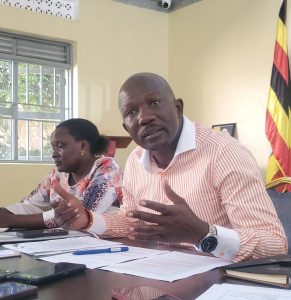
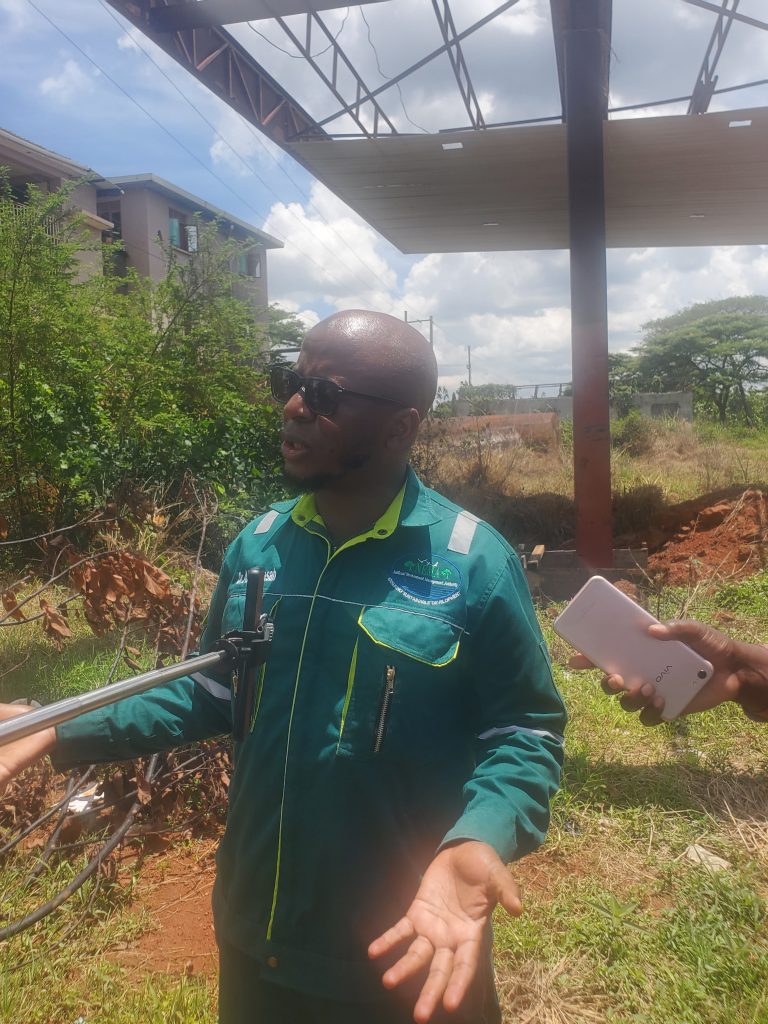
At Ajai, where rhinos once roamed freely before poaching wiped them out in 1979, preparations are in high gear. Turyatemna Movadi, the Chief Warden of Murchison Falls Conservation Area (MFCA), Warden in charge of Law Enforcement, says the Uganda Wildlife Authority (UWA) has already compensated 22 families who lived within the reserve to pave the way for the reintroduction programme.
“You can’t simply chase away someone who has lived on that land,” Movadi explains. “We have compensated them, and people are moving out, so the area is safe for rhinos. We are doing hectic electric fencing, about 40 kilometres, to prevent human–rhino conflict.”
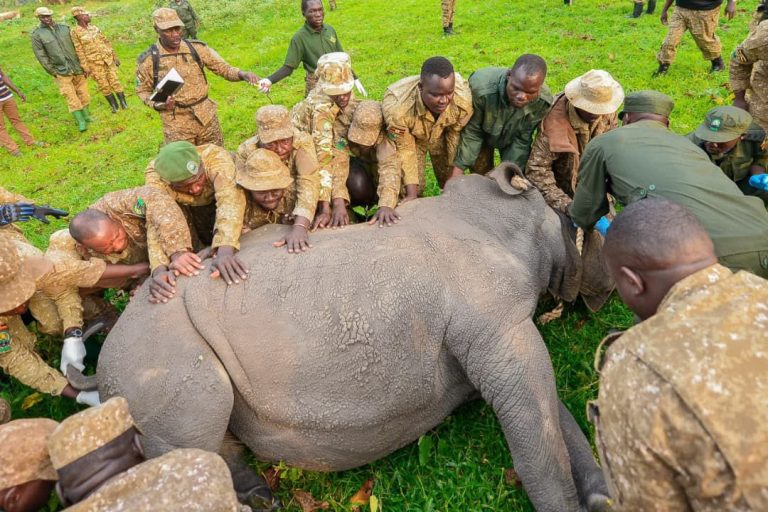
So far, UWA has fenced a significant section of the reserve and rehabilitated 35 hectares of habitat, including removing invasive species, developing water sources, and establishing temporary holding grounds. If all goes according to plan, at least four white rhinos will be brought into Ajai by Christmas, eventually growing to a target population of 22.
“This is a new development,” Movadi says. “Tourism will grow. People will return to the area, and communities will earn from it. It will be a beautiful gift to the people of Ajai, rhinos returning home.”
Kidepo Prepares Its Own Sanctuary
Richard Muhabwe, the Chief Warden of the Kidepo Valley Conservation Area (KVCA), confirms that the iconic species is also returning to the rugged wilderness of Kidepo. The park last saw a rhino in 1982–83 before the species disappeared completely from the region.
In partnership with conservation allies, UWA has built a fully electrified rhino sanctuary measuring 17.9 kilometres in circumference.
“These are not the black rhinos that were here before,” Richard explains. “But we are establishing a secure sanctuary so that when the rhinos arrive, they settle safely. Once the fence is powered, they cannot move out.”
“We expect the rhinos to be in Kidepo by April 2025,” Richard confirms. “Once they settle, Kidepo will officially regain its status as a Big Five destination—an incredible milestone for tourism and conservation.”
Voice-1: Muhabwe speaks on the reintroduction of rhinos at KVCA
A National Comeback Decades in the Making
According to UWA’s Communications Manager, Hangi Bashir, Uganda’s rhino revival has been long and deliberate. The national herd, once extinct in the wild, was reestablished in 1994 when the government initiated a long-term breeding programme.
“By the time we started, we only had six rhinos, two in UWEC and four in the Ziwa Rhino Sanctuary,” Hangi says. “Those six have now multiplied to 49. That is why we can now talk about sending rhinos to Ajai and Kidepo.”
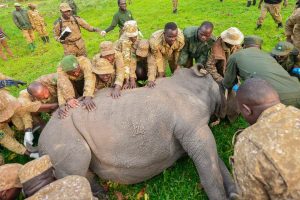
This month, Uganda will make another leap forward. On December 8th, the country will receive eight more rhinos flown in from South Africa, with full national honours.
With the growing population, Uganda can comfortably speak of reintroduction—returning a species to areas where it once lived. Ajai historically hosted black rhinos but will now receive white rhinos, making the effort both an introduction and a restoration of heritage.
Voice-2: Mr. Hangi shares why it took so long to reintroduce rhinos.
A Christmas Gift of Conservation
If all goes to plan, rhinos will once again graze the plains of Ajai before year’s end—a symbolic victory for conservation and a major economic opportunity for local communities.
Movadi said this will be a very good gift for the people on that side, noting that the rhino reintroduction is expected to boost local livelihoods and revive tourism activity in the region. “Because tourism is going to increase in the area. People are going to come back to sports. Get a lot of money from them.”
Voice-3: Movadi on the reintroduction of rhinos at Ajai
As UWA continues the delicate work of habitat restoration, compensation, fencing, and animal translocation, one thing is clear: Uganda is preparing to write a new chapter in its wildlife story—one where rhinos return, not as a memory, but as a living legacy.