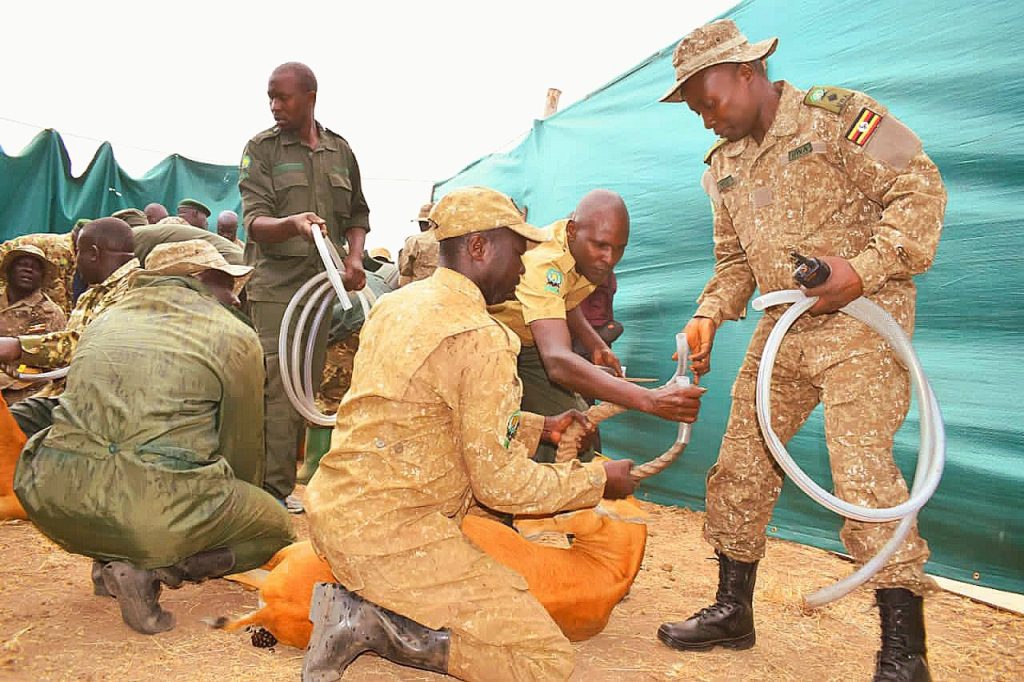
Conservation experts in Uganda now believe that the DNA forensic laboratory of the Uganda Wildlife Authority will be instrumental in reducing wildlife crime across the country.
By Willy Chowoo
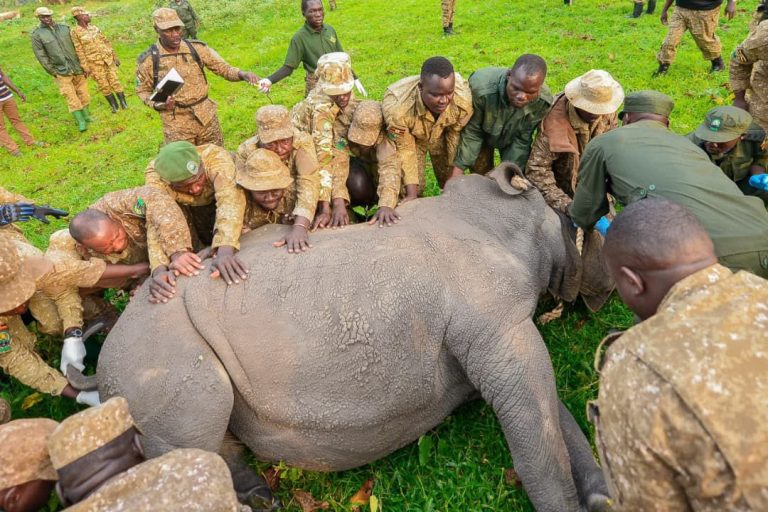
Uganda is home to over 345 mammal species, from the mighty mountain gorillas to the smallest, such as bats, bush babies, and shrews, and more than 1,000 bird species across its protected areas.
This has attracted hundreds of thousands of international visitors who continue to enjoy the beautiful scenery and wildlife, making the tourism sector the third-largest contributor to the country’s Gross Domestic Product (GDP).
It contributes an estimated 5.7% to 5.9% to Uganda’s total GDP. International visitor arrivals climbed to more than 1.6 million in 2025, and tourism earnings surged to UGX 5.8 trillion (about USD 1.62 billion).
Although progress has been made, illegal wildlife exploitation still hampers conservation efforts in Uganda, as poaching for bushmeat and ivory remains the biggest threat to elephants, pangolins, antelopes, and primates.
While law enforcement records show a decline in large-scale, organised poaching compared to the 1980s and 1990s, small-scale subsistence poaching persists across many protected areas.
According to the State of Wildlife Resource Report 2026, more than 5,800 suspects have been arrested for wildlife crimes between 2000 and 2024.
Despite the introduction of the Wildlife Court and the Utilities, Standards, and Wildlife Court in 2017 to curb the vice, a number of suspects have continued to be set free as the Uganda Wildlife Authority has struggled to present concrete evidence in court.
The court handles wildlife crime cases nationwide, dealing with offenses such as trafficking, poaching, and the illegal possession of protected species. This is the first of its kind in Africa.
By 2023, the court had convicted 600 of over 2,000 cases before it.
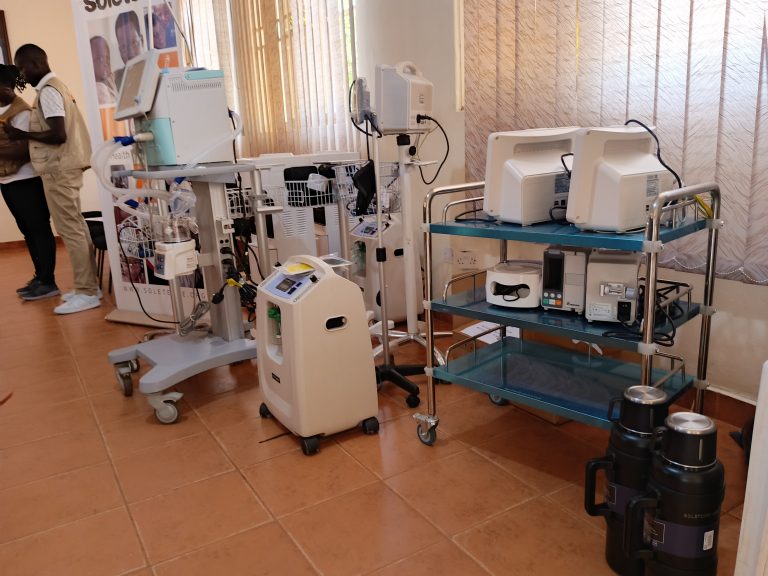
The authority recently launched Uganda’s first DNA forensic wildlife and timber laboratory to enhance the fight against wildlife crimes.
This gives UWA the opportunity to present scientific evidence before the Standards, Utilities, and Wildlife Court in Kampala to prosecute individuals involved in illegal wildlife trade.
Conservation experts in Uganda now believe that the DNA forensic laboratory of the Uganda Wildlife Authority will be instrumental in reducing wildlife crime across the country.
“The authority will now be able to trace all wildlife species, which will help trace origins and detect diseases, which is good to boost the country’s tourism,” explains Dr. Tony Kidega, a veterinarian and conservation expert.
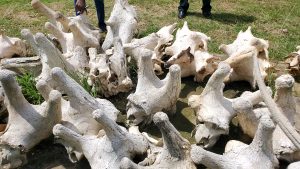
For decades, poachers and traffickers targeting elephants, pangolins, among others, and protected tree species have operated with relative impunity. Weak investigations, limited forensic capability, and a lack of credible evidence in court have often allowed suspects to evade prosecution.
The enforcement data show continued seizures of ivory, pangolins, and crocodile skins in 2024, and other products confirm the persistence of the threat.
The new DNA forensic lab changes that.
According to Dr. Kidega, the technology works by “fingerprinting” wildlife species, enabling authorities to identify not only the species but also the exact origin of an animal or plant product.
This means that if someone is found with ivory, scientists can determine which elephant population it came from, down to specific locations such as Murchison Falls conservation areas or even particular family groups.
This level of precision offers strong, court-admissible evidence that directly connects suspects to wildlife crimes. It represents a significant scientific breakthrough in Uganda’s wildlife protection efforts.
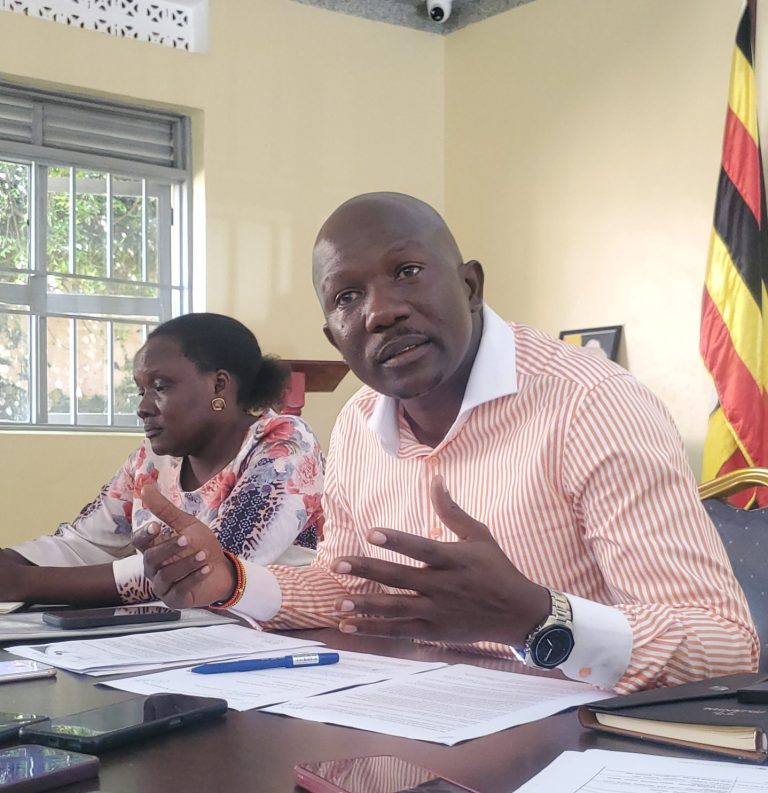
“In terms of diagnostics, administration of animals, this is the best of its kind in East and West Africa,” says David Musingo, the commissioner for Community Conservation and Ex-Situ Wildlife Service at UWA. “We have been missing a great deal in the successful prosecution of cases.”
The DNA Forensic Lab was established with support from the European Union, Danida, the TRACR-Wildlife Forensic Network, and the UN Office on Drugs and Crime.
Jan Sadek, the EU Ambassador to Uganda, says that support for establishing the DNA lab will enable UWA to present concrete evidence to the court.
“We are sure that this will be an important addition to the agency in Uganda; Uganda Police and the court will be able to make efforts against illegal trafficking.” He explained.
The established facility is at the Uganda Wildlife Education Centre (Zoo-Entebbe).
Strengthening Investigations and Prosecution.
Uganda’s DNA forensic lab is expected to greatly enhance investigations by allowing authorities to scientifically identify species, determine the source of wildlife products, and directly connect suspects to crime scenes.
This advancement is likely to enhance arrests, improve conviction rates, and disrupt illegal wildlife trade networks that have thrived on enforcement gaps.
In the past, suspects frequently avoided prosecution because of insufficient evidence. Dr. James Musinguzi, Executive Director, Uganda Wildlife Authority, explains that offenders often argued that the seized meat originated from domesticated animals.
“With DNA Lab, if we get a piece of meat now, we can detect the species.” Dr. Musinguzi notes.
Dr. Kidega reinforces this, noting that DNA forensics can differentiate between wild and domestic meat and even pinpoint where the animal was killed, strengthening prosecution efforts.
The suspects used to hide
behind a lack of evidence. “We are now able to tell the species of animals,” Dr. Musinguzi said. “We are coming for you. We have the capacity to take you to court and have a successful prosecution.”
The conservationists say the recent launch of Uganda’s DNA forensic wildlife and timber laboratory marks a major turning point in the country’s fight against wildlife crime, introducing long-awaited scientific capacity into conservation enforcement.
Tracing origins of seizures.
Over the past years, the Uganda Wildlife Authority has seized a number of wildlife products in transit through Uganda, as well as others for local consumption. But there has been a major challenge in tracing the origin of that wildlife and its products.
But that will now be history.
“We can seize that meat and test it—where it is coming from, and therefore, we are
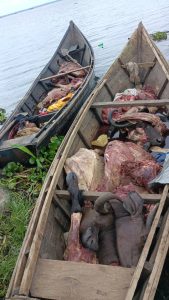
is going for those markets.” Dr. Musinguzi.
By determining the geographic origin of seized wildlife products, investigators can now go beyond arresting low-level offenders to targeting supply chains, including illegal markets and distribution networks.
Court-admissible evidence
In 2017, the government established a special court in Uganda to help with the trial of suspects in wildlife crimes, which it named the Standards, Utilities, and Wildlife Court.
UWA says that since the court’s inception, it has been very helpful in delivering speedy trials for suspected poachers.
For example, it handled over 2500 cases with 600 convictions since its inception in 2017.
The special court has done tremendous work to expedite the trial, according to the UWA Assistant Commissioner for Communications, Hangi Bashir. He says this despite the availability of other courts trying wildlife offenders.
Hangi believes that if they had to rely solely on the ordinary courts, which are backlogged, it would take ages for suspects to receive justice.
“We don’t want to deny justice, because justice delayed is justice denied. Everybody who is arrested has the right to swift justice,” he notes.
While at MFNP, 2,469 suspects were arrested, and 1,228 were convicted between fiscal year 2020/2021 and 2023/2024.
The chart below shows how the presence of the Wildlife Court has expedited the trials of arrested suspects.
This represents a conviction rate of only 49.7% of the total cases registered over the period, with 189 suspects remanded and 28 and 812 released on court bail and police bond, respectively.
This means that 32.9% (812) of the suspects didn’t go beyond police arrests, as they were released on police bond due to a number of issues, including a lack of concrete evidence to pin them.
For years, Uganda lacked the scientific capacity to present credible evidence of wildlife crime in court. As a result, many cases collapsed, allowing traffickers to walk free.
The expert says the presence of the DNA forensic lab is expected to provide a critical bridge between field operations and the justice system by generating reliable, court-admissible scientific evidence.
Dr. Musinguzi says producing concrete evidence before the court has been the biggest setback.
“If you find somebody with wild meat, he would say this is coming from cow’s meat.” Dr. Musinguzi explains, “With DNA Lab, if we get a piece of meat now, we can detect the species.”
Major Samuel Masereje, Assistant Commissioner for Intelligence and Investigation at the Uganda Wildlife Authority, said, “It gives us the opportunity to present evidence that cannot be discredited by the defense team.”
Curtailing Illegal Poaching and Wildlife Trade
Uganda continues to face persistent cases of illegal poaching, largely driven by the thriving illegal wildlife trade across its national parks.
At MFCA, which is home to the “Big Five,” illegal poaching remains a significant threat to wildlife conservation. The park is particularly affected by the high demand for bushmeat and wild fish.
The authority arrested 2,645 suspected illegal poachers between 2022 and 2024, with 1,063 arrests in 2022, 702 in 2023, and 880 in 2024. They impounded 30,000 pieces of hunting gear, including rifles.
Park authorities attribute the vice to well-organised kingpins who often exploit and coerce local communities into engaging in poaching activities. They are now calling for stronger measures to curb the illegal wildlife trade.
“Poaching still exists due to the available market; there is a hotel in Gulu still selling game meat,” Fredrick Kizza, MFCA chief warden, says. “We want to capture the real king responsible for this.”
The conservation expert is now calling for a comprehensive community sensitisation of the DNA Forensic Lab so that they don’t become the culprits.
Dr. Kidega emphasises the importance of public awareness, noting that communities must understand how the technology works to support conservation efforts.
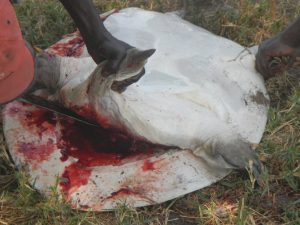
The park has seen a reduction in illegal poaching cases over the last 3 years, despite cases remaining high.
This is a result of the continued intensive anti-poaching operations across the protected areas through the deployment of advanced surveillance systems such as EarthRanger.
Disease Detection and Early Warning
Uganda Wildlife Authority is a member of the National One Health Task Force, working on a comprehensive wildlife health surveillance system that is fully integrated with current livestock and human health reporting systems.
The authority considers the integration of the DNA forensic lab crucial to the early detection of emerging zoonotic diseases and antimicrobial resistance.
The DNA Lab aligns with UWA’s mandate to improve laboratory capacity at the sub-national level for wildlife diagnostics, enabling the prompt and precise detection of health threats across the country.
Dr Kidega, the conservationist, states that the technology can detect and monitor diseases in wildlife populations, providing early alerts about outbreaks that could affect humans.
He mentions that it can detect hazardous pathogens, such as anthrax or zoonotic viruses, in animals early, helping authorities warn nearby communities.
“It can trace disease outbreaks in dangerous animals such as monkeys, baboons, and gorillas in real time and provide early warning,” Dr. Kidega notes.
This is especially important in regions where humans and wildlife come into close contact.
The lab is also anticipated to strengthen Uganda’s tourism industry by promoting healthier wildlife populations and safer encounters between tourists and animals. This will increase tourism and foster regional collaboration.

Dr Kidega emphasises that ongoing monitoring of wildlife health will reassure tourists, particularly those visiting chimpanzees and gorillas, that disease risks are under control.
The facility positions Uganda as a regional centre for wildlife forensics, capable of supporting cross-border investigations into transnational crimes such as ivory trafficking and illegal timber trade.
This will also expand Uganda’s ability to monitor wildlife health holistically and adapt effectively to public health and conservation challenges.
Support for cross-border investigation.
Support for cross-border investigations is a key function of the laboratory, positioning Uganda as a growing regional centre for wildlife forensics.
This capacity can aid in tracking transnational environmental crimes such as illegal ivory trafficking and timber smuggling. Illegal timber harvesting and forest resource exploitation continue to threaten Uganda’s wildlife habitats, especially in reserves and woodland areas near protected zones.
The State of Wildlife Resource Report highlights a sharp rise in illegal timber extraction cases from 2019 to 2025, mainly involving large volumes of seized timber.
In the Murchison Falls Conservation Area, authorities have intercepted multiple illegal timber shipments. Kiiza Fredrick, Chief Warden of MFNP, confirmed the seizure of 245 timber pieces.
The DNA lab will also determine tree species and origins, aiding prosecutions of illegal timber traders.
Maj. Masereje emphasised that without knowing sources, timely prosecution was difficult. The forensic lab now enables this, providing protection for forests and wildlife to deter ongoing degradation. Protected areas have suffered from illegal logging, timber, and charcoal production. Dr Kidgea added that the DNA lab will help UWA identify endangered tree species that should be preserved.
A pivotal moment facing upcoming challenges
While the DNA laboratory marks a major leap forward, its long-term success will depend on sustained investment, technical expertise, and coordination among investigators, prosecutors, and the judiciary.
Dr Kidega emphasises the importance of public awareness, noting that communities must understand how the technology works to support conservation efforts.
Proper sample handling, personnel training, and awareness within the legal system will be critical to fully realise its potential.
If effectively utilised, the lab has the potential to transform wildlife crime enforcement in Uganda—shifting from suspicion-based investigations to evidence-based prosecutions and ensuring offenders are not only arrested but also successfully prosecuted.
The legality of the game meat trade
Across Uganda, bushmeat remains widely consumed, with some restaurants and hotels reportedly serving game meat. However, the legality of this trade is strictly regulated.
Of late, there has been debate in the country over whether places such as restaurants and hotels are allowed to openly sell game meat.
Dr Musinguzi, explains that Uganda’s wildlife laws allow controlled utilisation of wildlife, including trade, ranching, farming, tourism, and recreation, under clearly defined conditions.
Under the Wildlife Act, 2019 (CAP 315), any individual intending to trade in wildlife or wildlife products—including game meat—must obtain a Class D Wildlife User Rights permit. The law further requires that all wildlife products must originate from lawful sources and comply with regulations set by UWA.
“Buying or selling game meat without the required authorisation and proof of lawful origin is illegal,” said Hangi Bashir, UWA Assistant Commissioner of Communications.
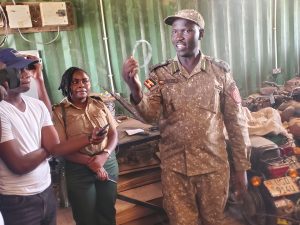
Hangi further warns that it “may constitute a wildlife crime—game meat on sale must be from a lawful source.”
The law provides for sustainable wildlife utilisation through a structured system of wildlife user rights classes. Individuals or businesses seeking to engage in wildlife trade must apply for accreditation and obtain a Wildlife Utilisation Certificate from UWA.