The camp will bring together specialists in areas including heart, kidney, liver, brain, and other internal medicine conditions. Patients will also be screened for non-communicable diseases such as hypertension, diabetes, cancer, and other conditions.
By Willy Chowoo
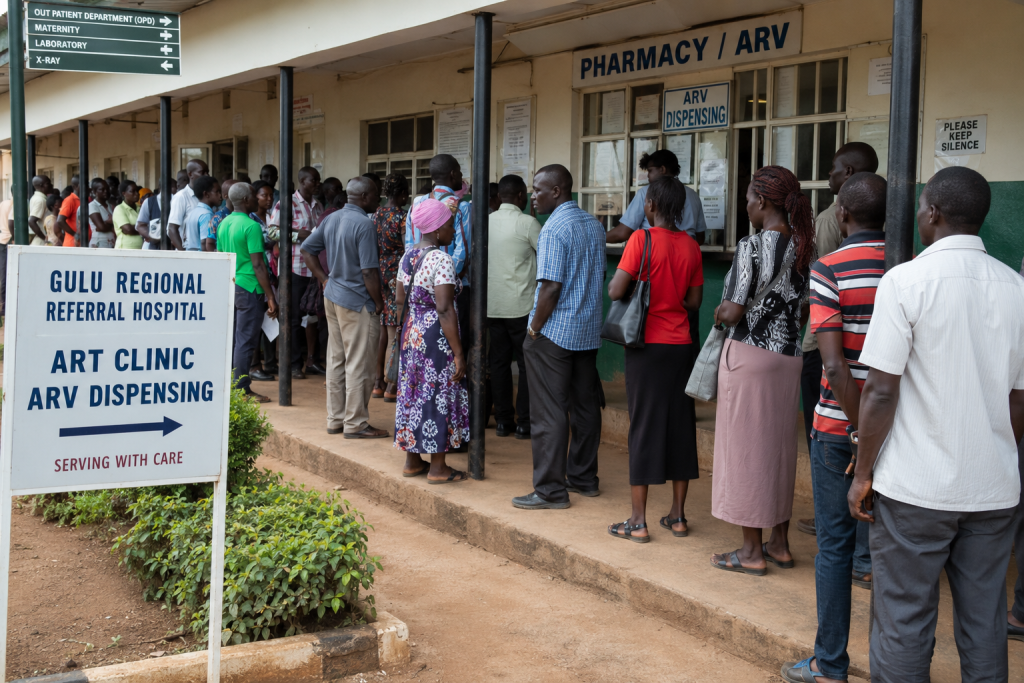
GULU — About 1,600 people are expected to benefit from a free specialist medical camp at Gulu Regional Referral Hospital from August 21–22, as physicians seek to bring specialised healthcare closer to communities in Northern Uganda.
The two-day camp is being organised by the Association of Physicians of Uganda in partnership with Gulu Regional Referral Hospital and the Ministry of Health.
Dr. Dan Oriba Langoya, the Northern Uganda representative of the Association of Physicians of Uganda, said the camp is part of the association’s plan to give back to society while addressing the shortage of specialised medical services in the region.
“We selected Northern Uganda because there have been a lot of camps happening in other regions of the country,” Dr. Oriba said.
Gulu Regional Referral Hospital was selected to host the camp because it is a government facility and has the initiative that requires collaboration with the Ministry of Health. The hospital serves the entire population in northern Uganda.
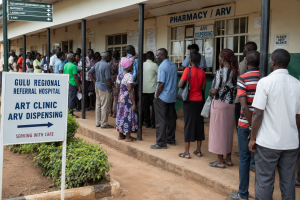
The camp will bring together specialists in areas including heart, kidney, liver, brain, and other internal medicine conditions. Patients will also be screened for non-communicable diseases such as hypertension, diabetes, cancer, and other conditions.
Dr. Oriba said the camp will also provide laboratory investigations, HIV testing and kidney disease screening, while some medicines secured from pharmaceutical companies will be provided to patients free of charge.
Rising Concern Over Non-Communicable Diseases
The initiative comes amid concerns over the growing burden of non-communicable diseases, which physicians say are increasingly affecting Ugandans.
According to Dr. Oriba, who doubles as the departmental head of internal medicine at St. Mary’s Hospital Lacor, many people live with conditions such as hypertension, diabetes and kidney disease without knowing because the diseases may not initially present noticeable symptoms.
“People don’t know that they have kidney problems because it doesn’t have signs and symptoms. People don’t know that they have diabetes because it will not show signs and symptoms until it is at a certain level,” he said.
The physician notes that out of 250 patients seeking assistance from the Lacor hospital, 25% suffer from NCDs such as hypertension and diabetes.
Dr Oriba urged people, including young adults, to make routine health checks part of their lives, arguing that early detection can prevent costly complications. According to him, treating heart disease might cost sh100000 per month, and kidney disease is estimated to be two million shillings per month.
The medics linked uncontrolled hypertension to the main cause of increasing cases of stroke and other complications affecting the heart and kidneys today
Integrated Care Approach.
The camp will not only focus on diagnosis. Gulu Regional Referral Hospital says it wants patients to receive integrated care during the same visit, including laboratory tests, radiology services and treatment where necessary.
The hospital team says patients who require ultrasound, cardiac echocardiography, ECG or X-ray services will be supported through the relevant service points.
Dr. Apiyo Paska, a physician at the hospital, said they welcome the initiative and are working with the Association of Physicians of Uganda to ensure that patients receive comprehensive care.
“We would like to see that when a patient comes, and they are seeing a super specialist and the patient is requiring laboratory tests, we would like to see that that test is done in that sitting,” she said.
Patients with persistent skin conditions, HIV, and other chronic illnesses will also be able to seek specialist attention during the camp.
Shortage of Specialists.
The hospital hopes the initiative will help address the shortage of specialist doctors in Northern Uganda.
At present, Gulu Regional Referral Hospital has only two physicians officially deployed in internal medicine, although doctors from Gulu University provide additional support. Hospital officials say the available specialists are overwhelmed by the number of patients and their other responsibilities.
Dr. Apiyo said the region still lacks several super-specialists, including those needed to manage complex cardiac conditions.
“When we call upon Uganda Heart Institute, and the patients who have cardiac conditions come, the numbers can be overwhelming,” she said.
The organisers have so far registered about 30 doctors for the camp, with the number expected to increase to 40 as more specialists from Kampala join the team. Doctors from Gulu will also participate.
The Association of Physicians of Uganda estimates that about 1,600 patients could be seen during the two-day event.
Beyond providing immediate services, Dr. Oriba said the camp is intended to help identify the burden of non-communicable diseases in Northern Uganda and generate recommendations for improving healthcare services.
The organisers say patients diagnosed during the camp will be able to receive follow-up care from health workers in the region, including facilities serving districts such as Amuru, Nwoya, and Kitgum.
The association also plans to work with the Ministry of Health’s medical care technical working group to raise challenges identified during the camp and explore ways of improving the quality and sustainability of specialised healthcare in the region.
The organisers are calling on people who have known illnesses, unexplained symptoms or simply want to know their health status to attend the camp.
The event will be the first medical camp of its kind organised by the Association of Physicians of Uganda, according to Dr. Oriba, who described Northern Uganda’s selection as an opportunity to bring services that are often only accessible in major hospitals in Kampala closer to the population.