The chatbot, named Nurse Lina, operates on WhatsApp and provides users with instant, confidential guidance on family planning options, side effects, and nearby service points.
By Willy Chowoo
Gulu City
Uganda’s Ministry of Health (MoH) has introduced an artificial intelligence (AI)-powered chatbot designed to improve access to family planning information and services, marking a significant step in integrating digital innovation into public health delivery.
The chatbot, named Nurse Lina, operates on WhatsApp and provides users with instant, confidential guidance on family planning options, side effects, and nearby service points.
It operates on this Whatsapp Number , +256(0)700542322
According to health officials, the tool is part of a broader strategy to expand access, improve awareness, and empower individuals to make informed reproductive health decisions.
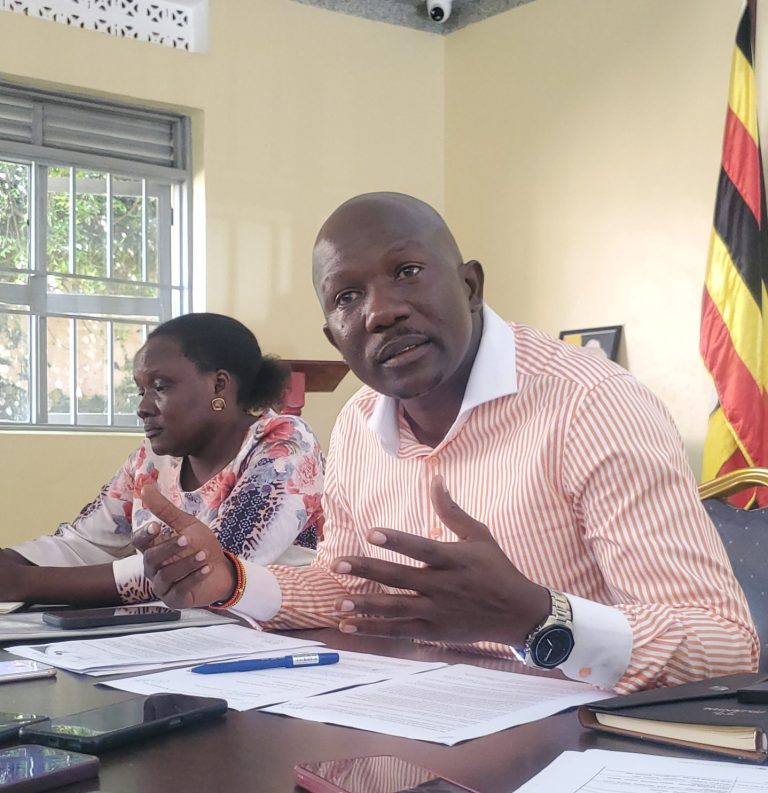
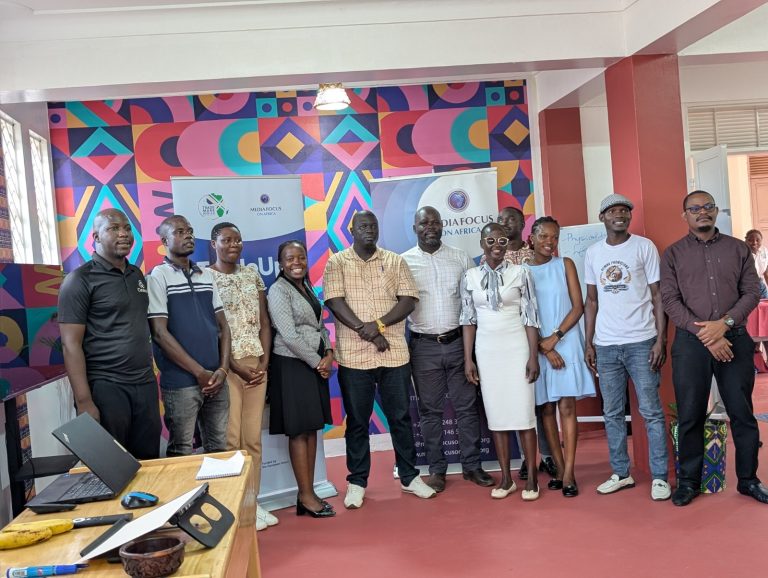
Speaking on Friday (8th Aug, 2026) at a media engagement, health café organised by Health Journalists Network (HJN), Daniel Akuma, a senior pharmacist at the Ministry of Health in charge of supply chain, emphasised that family planning services go beyond medicines to include devices such as intrauterine devices (IUDs) and other contraceptive technologies.
He noted that ensuring consistent availability of these commodities requires collaboration between government, private health providers, and community health workers.
“Government does not work in isolation,” Akuma said. “We partner with pharmacies, clinics, drug shops, and community health workers to ensure that family planning services reach everyone.”
The introduction of Nurse Lina reflects growing reliance on AI to bridge information gaps.
With the system, users can chat with the system just as they would with a contact on WhatsApp, asking questions about contraceptive methods, managing side effects, or locating nearby facilities.
The chatbot is powered by Ministry of Health guidelines and a database of frequently asked questions, enabling it to provide standardised, evidence-based responses.
Health officials say the tool also learns over time, improving the accuracy of its responses as it interacts with more users. In cases where more complex care is required, it directs users to seek in-person medical attention and can suggest the nearest health facilities based on location.
Digitalising Family Planning Orders.
The Ministry of Health has digitalised the ordering of family planning commodities by all health facilities across the country in a move to reduce stockouts.
The initiative builds on lessons from the COVID-19 pandemic, which accelerated the adoption of digital health solutions, including online pharmacies.
Today, Ugandans can order contraceptives such as condoms and emergency pills online, with delivery times comparable to food delivery services.
Akuma says the move to help reduce the stockout of family planning commodities at health facilities and access points across the country.
“We want all the service delivery points to have community,” Akuma says that they, “We are increasing the number of access points; we want to improve on the quality of family planning so that many people can come for it.”
Dr. Chris Ebong, Principal Medical Officer in charge of Family Planning at the Ministry of Health, highlighted that Uganda offers a wide range of contraceptive options, including short-term, long-term, and permanent methods. He urged journalists to report accurately on availability, noting that different communities have varying preferences and needs.
“People are not the same,” Dr. Ebong said. “Some want short-term protection, others long-term, and some have completed their families. Reporting should reflect these differences.”
Despite these advancements, challenges remain. Access disparities persist, particularly for populations in remote areas or those unable to afford private services.
While family planning commodities are provided free in public facilities, private providers charge fees, though the government is working to integrate services into insurance schemes to improve affordability.
The ministry is also expanding service delivery points by empowering community health extension workers and authorising drug shops to provide certain family planning methods. This approach aims to reduce congestion at public health facilities and bring services closer to communities.
Officials stress that family planning, though not always treated as an emergency, plays a critical role in preventing future health complications. Lack of access can lead to unintended pregnancies and associated risks, particularly among vulnerable groups.
The rollout of AI tools like Nurse Lina signals a shift toward more responsive, user-centred healthcare systems. As Uganda continues to embrace digital innovation, the success of such initiatives will depend on accessibility, public awareness, and the ability to adapt technologies to local contexts, including language integration.
For now, Nurse Lina operates in English, but the ministry plans to incorporate local languages in future updates to reach a wider audience.
With increased investment, partnerships, and innovation, the government hopes to ensure that family planning services are not only available but also convenient, accessible, and tailored to the needs of every Ugandan.