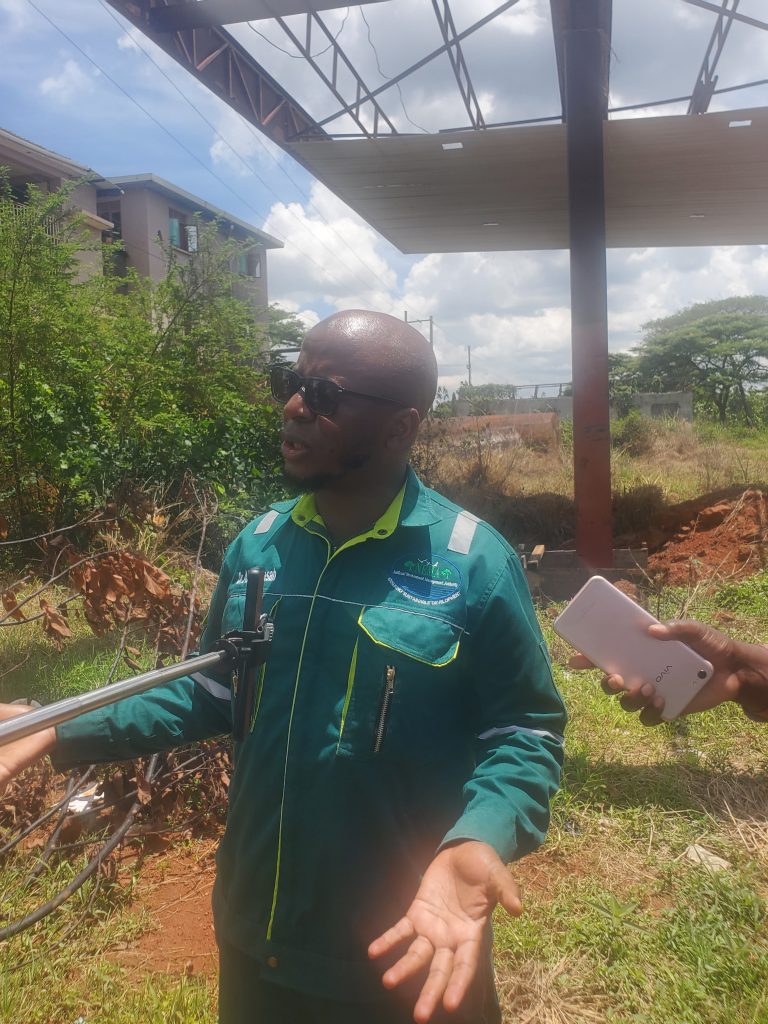
However, more than a year later, progress remains incomplete, prompting concerns over possible shoddy work and inefficiencies in project execution.
By Willy Chowoo
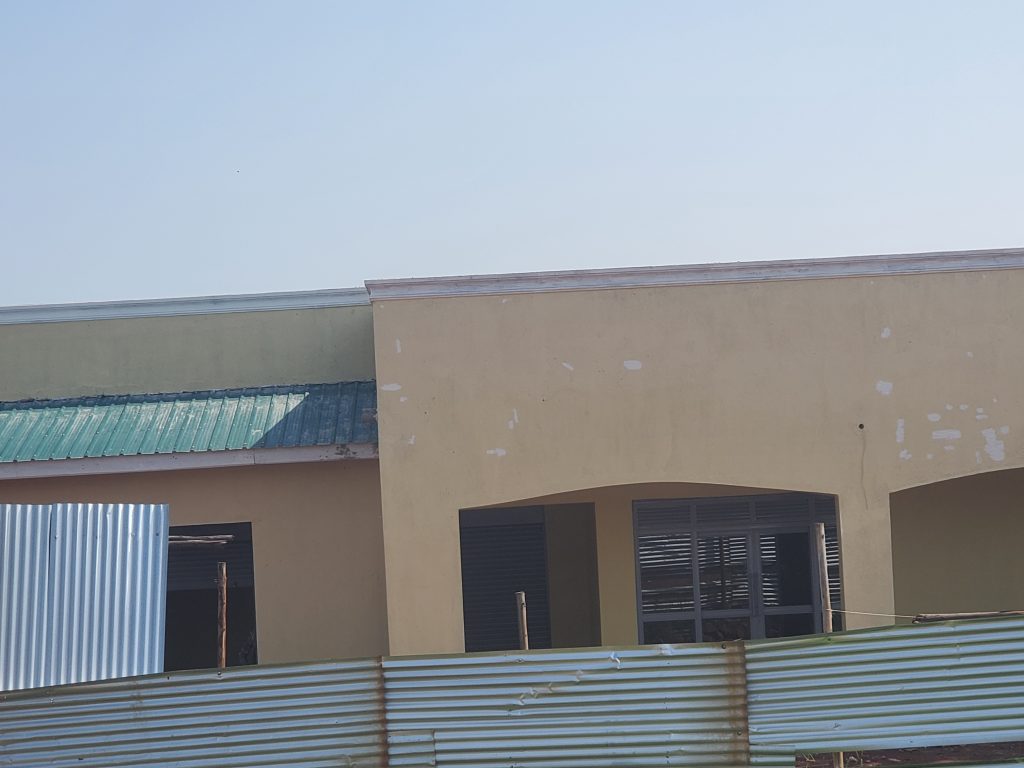
Gulu City — The construction of the Gulu Modern Market has stalled at 75 percent completion, 14 months after works began, raising concerns about delays, funding gaps, and value for money.
On May 8, 2025, Gulu City Authority handed over the construction site to Rina One Investment Limited to develop a state-of-the-art market facility. The first phase of the project was initially expected to be completed within eight months.
However, more than a year later, progress remains incomplete, prompting concerns over possible shoddy work and inefficiencies in project execution.
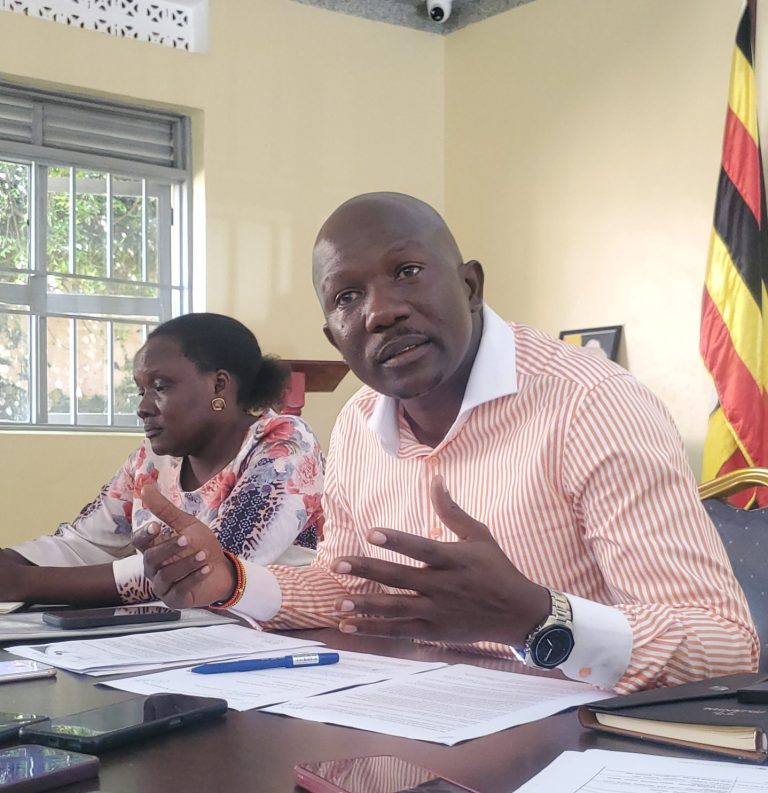
Ali Geoffrey, the Deputy Mayor of Gulu City Council, attributed the delays to limited financing while presenting the city’s annual performance report for the Financial Year 2025/2026.
The Shs1.146 billion infrastructure project is expected to transform trade and improve the livelihoods of hundreds of traders, including refugees. It is funded under the Financing Durable Solutions Initiative for forcibly displaced persons by the United Nations Capital Development Fund (UNCDF), through the Ministry of Local Government.
Despite this, the city has only utilised 44 percent of the allocated funds, equivalent to approximately Shs504.7 million.
The first phase of the project includes 90 stalls and 26 lock-ups, with an estimated capacity to accommodate 720 vendors. Once complete, the market will feature 71 lock-up shops, a daycare centre, playground, security offices, revenue offices, meeting spaces, butcheries, a parking lot, banking hall, pharmacy, charcoal market, bakery, and stall shades.
City Records 92% Revenue Performance
Meanwhile, Gulu City Council reported a 92 percent revenue performance for FY 2025/2026, with both discretionary and conditional government transfers achieving 100 percent collection.
Out of a total approved budget of Shs39.16 billion, the city realised Shs36.05 billion, leaving a shortfall of Shs3.1 billion.
However, the city continues to rely heavily on conditional government transfers, which accounted for 64.1 percent (Shs25.1 billion) of the total budget.
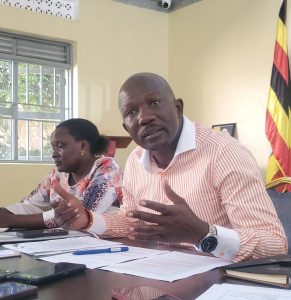
Deputy Mayor Geoffrey reiterated the city’s commitment to strengthening governance, transparency, and citizen participation.
“We shall continue to mobilise resources, promote innovation, and invest in priority programmes that improve the quality of life of our people,” he said.
Despite the relatively strong revenue performance, the city returned Shs3.81 billion (10.6 percent of total revenue) to the Treasury. This included Shs2.27 billion in wages, Shs1.26 billion in pensions, Shs214.9 million in gratuity, and smaller allocations under domestic arrears and non-wage expenditures.
Local Revenue Decline Raises Concern
Local revenue collection remains a major challenge for the city, particularly with the new council barely three months in office.
In FY 2025/2026, the city collected only 64 percent of its projected local revenue, realising Shs4.49 billion out of the expected Shs7.05 billion—resulting in a shortfall of Shs2.55 billion.
This marks a decline from FY 2024/2025, when the city collected about Shs4.5 billion against a projected Shs8.5 billion.
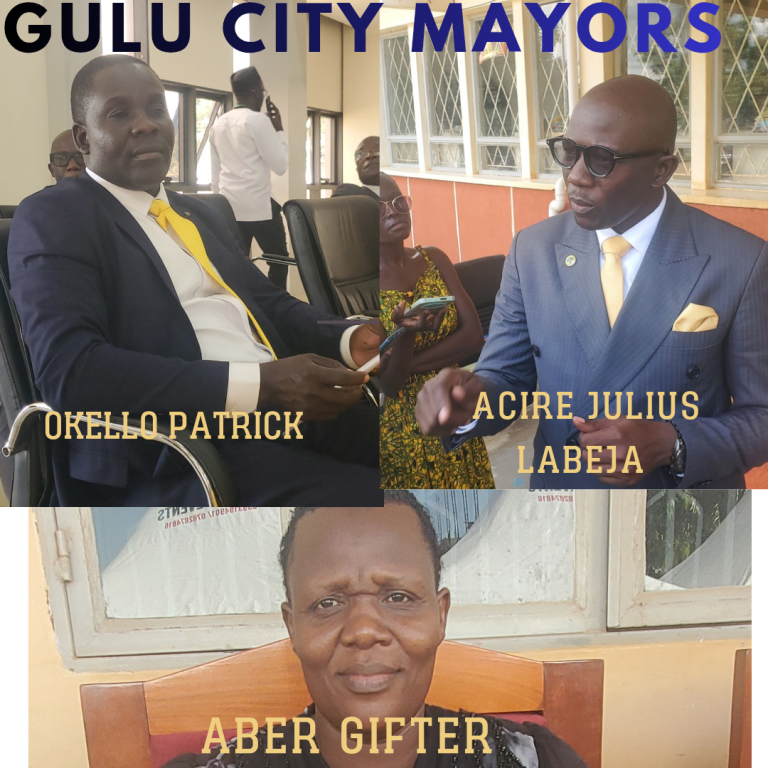
Gulu City Mayor, Acire Julius Labeja, acknowledged the challenge, noting that efforts are underway to strengthen revenue collection.
“We have been able to recruit a principal revenue officer for the city,” he said.
According to the Gulu City Local Revenue Enhancement Plan (2021–2026), the council had projected generating Shs10.2 billion annually by FY 2026. However, actual collections remain far below target at about Shs4.5 billion, leaving a gap of more than Shs5.7 billion.
This shortfall has significantly undermined the city’s plan to increase the share of locally generated revenue from 3.8 percent in FY 2019/2020 to 20 percent by FY 2025/2026.