To help address these challenges, Uganda has introduced Lenacapavir, a long-acting HIV prevention injection administered once every six months.
By Adong Joanita
Gulu City
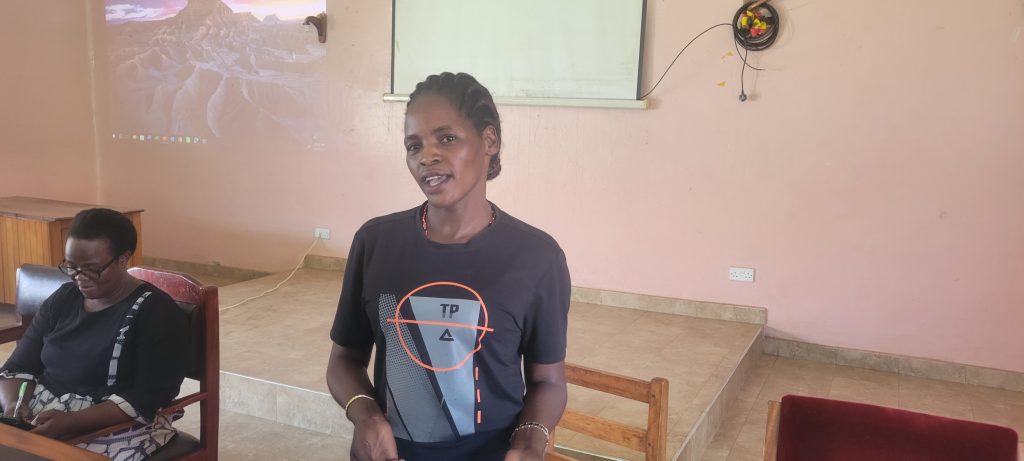
When Susan Kibwala walked into a community health meeting in Gulu in 2023, she had no idea it would change the course of her life.
As health workers explained how injectable pre-exposure prophylaxis (PrEP) could help HIV-negative people protect themselves from HIV infection, Susan listened attentively. Inspired by the information, she decided to take an HIV test. When the results confirmed she was HIV-negative, she immediately enrolled in injectable PrEP.
That single decision transformed Susan from a beneficiary into an advocate.
Today, the peer educator at Aywee Health Centre III spends much of her time travelling from one community to another, encouraging women and young people to take charge of their health by preventing HIV.
Along the way, she has used different HIV prevention options herself, including injectable PrEP, the PrEP ring, and, more recently, Lenacapavir, a new long-acting HIV prevention injection administered once every six months.
“I wanted to experience it myself before asking others to use it,” Susan says. “People often ask if I have used it and whether it works. Sharing my own experience helps them trust the information.”
Susan was among the first 40 people in Gulu City to receive Lenacapavir when it was introduced. She says the drug has been convenient and she has experienced no side effects, giving her even greater confidence to encourage others to consider HIV prevention.
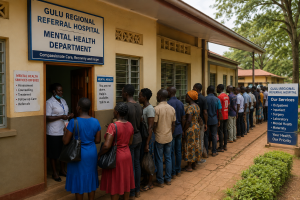
Susan’s experience reflects a broader public health challenge. Despite Uganda’s steady progress in reducing new HIV infections, Gulu City continues to record an HIV prevalence rate of 9 percent, above the national average of 7 percent.
According to the Ministry of Health, Uganda reduced annual new HIV infections from about 96,000 in 2010 to approximately 37,000 by the end of 2025. However, health officials say Gulu remains one of the country’s HIV hotspots, with women, adolescent girls, and young people continuing to bear a disproportionate burden of the epidemic.
Women continue to bear the greatest burden
Data from Gulu City’s HIV programme shows that women account for the majority of people living with HIV across nearly every age group.
Amito Florence, the Gulu City HIV Focal Person, says the city currently has 22,439 people living with HIV.
Figures from January to March this year show that among people aged 20 to 24 years, 624 women are living with HIV compared to 294 men. In the 25 to 29 age group, 1,241 women are living with HIV compared to 293 men. Among adults aged 30 to 49 years, women account for 7,725 cases, nearly double the 3,825 cases recorded among men.
She explains that the female population constitutes a significant proportion of both new infections and existing cases; many factors contribute to this, including economic vulnerability, gender inequality, and engagement in high-risk sexual behaviours.
Health experts also point to gender-based violence, limited negotiating power in relationships, and barriers to accessing HIV prevention services as major drivers of infection among women and girls.
New prevention option
To help address these challenges, Uganda has introduced Lenacapavir, a long-acting HIV prevention injection administered once every six months.
Dr Ayaa Stella, the in-charge at Aywee Health Centre, says that unlike oral PrEP, which must be taken daily, lenacapavir provides extended protection with a single injection every six months, making adherence easier for many users.
She says clinical studies have shown the drug to be more than 99 percent effective in preventing HIV infection when used as prescribed.
Florence says the rollout comes at a critical time for Gulu City, where 480 new HIV infections were recorded between January and March this year.
Strong demand
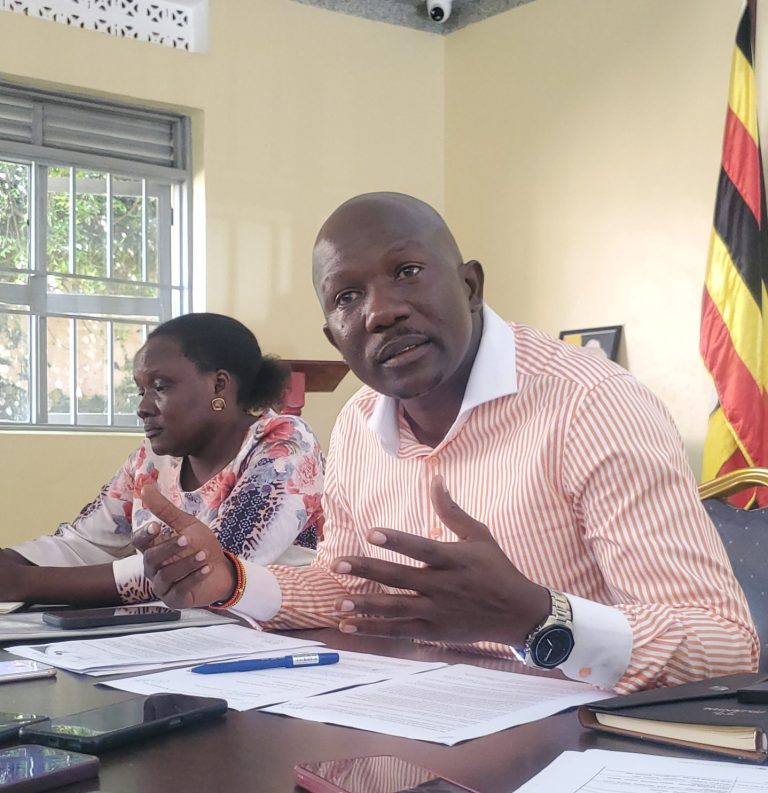
Dr. Cana Kenneth, the Gulu City health officer, says the introduction of lenacapavir has generated strong public interest, particularly among people seeking a more convenient HIV prevention option.
“The demand is extremely high, which is a very positive sign,” he says. “Its convenience makes it easier for people to adhere to HIV prevention compared to taking a pill every day.”
However, he cautions that it is still too early to determine the drug’s impact on HIV prevalence.
“We need more time to assess its real effect, but the initial response is promising,” he says.
Expanding access
The Ministry of Health says the rollout of lenacapavir is being prioritised in districts with a high HIV burden and among populations at increased risk of infection.
Uganda has received an initial consignment of 19,200 doses, which are being distributed to selected health facilities across the country.
“Our goal is to see the drug rolled out to all regions and eventually to every health facility that provides HIV services,” Dr. Kenneth says.
He welcomed the arrival of additional supplies, saying they would allow more eligible people to access the intervention.
Despite its promise, he notes that cost remains one of the biggest challenges.
“Each dose costs more than 1,000 US dollars on the international market, which is why the government is introducing it gradually,” he says. “Fortunately, eligible beneficiaries are currently receiving it free of charge.”
Challenges remain
Dr. Stella cautions that while Lenacapavir represents a major breakthrough in HIV prevention, it is not a standalone solution.
She adds that the drug has only recently been supplied to the Gulu regional referral hospital, making it hard for patients from distant areas to access their doses easily despite the urgent need.
Stigma, misinformation, and unequal access to health services continue to undermine HIV prevention efforts.
“There are always individuals who discourage the public whenever a new intervention is introduced,” Dr. Kenneth says. “However, the scientific evidence supporting this drug is strong, and continued public education is essential.”
He adds that sustained investment in HIV testing, treatment, community sensitisation, and prevention programmes will remain critical if Gulu is to reduce its HIV burden.
Looking ahead
For Susan Kibwala, every conversation she has with another young woman is an opportunity to prevent a new HIV infection.
As Gulu expands access to Lenacapavir, health officials hope more people will embrace the new prevention option. While the city’s HIV prevalence remains above the national average, they believe wider access to long-acting prevention, combined with continued testing, treatment and community education, could help reverse that trend in the years ahead.