“Poverty and violence do not belong to any single religion or party,” he said. “They affect us all equally. That is why it is essential for faith leaders to guide their people towards peace, discipline, and unity.”
By Chowoo Willy
Bishop Emeritus Dr. John Baptist Odama, has called on the government of Uganda to accredit the Acholi Religious Leaders Peace Initiative (ARLPI) to monitor the 2026 elections, saying only credible civic oversight can prevent a repeat of the violence that marred the just-concluded NRM primaries.
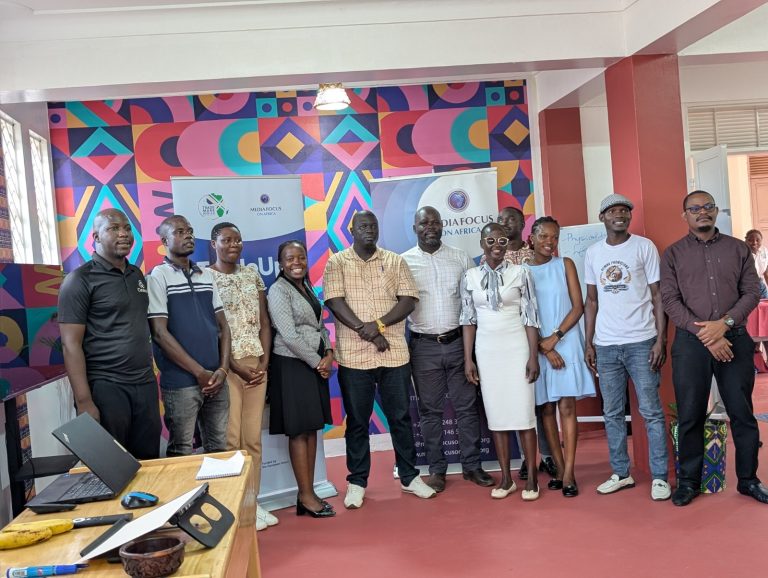
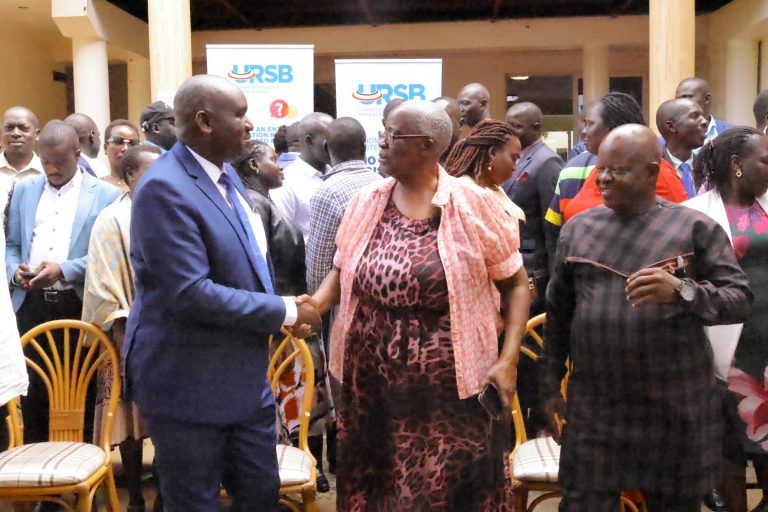
Speaking at a workshop of religious leaders organised at the Gulu Logistics Hub by the government through the Office of the Operation Wealth Creation OWC, Dr. Odama delivered one of his sternest messages yet on Uganda’s electoral process. The OWC has organised the meeting on how to engage the religious leaders on government socio-economic transformation in the Acholi Sub region.
“We regret and condemn all forms of violence and intimidation witnessed during the primaries,” the bishop said. “We call upon all political actors, supporters, and citizens to refrain from intimidation, violence, and other malpractices. Instead, let us work toward ensuring non-violent, free, and fair elections in 2026.”
Bishop Nelson Onono Onweng, Bishop Emeritus of the Diocese of Northern Uganda, described the conduct witnessed during the primaries as a national shame. “You are defiling the country, and we should stop defiling the nation, because it is a stupid thing to buy votes,” the Bishop warned.
ARLPI Seeks Accreditation
Odama, who chairs ARLPI, argued that faith leaders must be empowered not only to preach peace but to actively safeguard it. He formally requested government accreditation for ARLPI to conduct voter education, election monitoring, and reporting.
“Accrediting ARLPI will enable us to enhance voter awareness, promote electoral integrity, and foster peaceful coexistence,” he said. “Religious leaders are trusted by their communities. Our presence in the process will help prevent malpractice and restore confidence in elections.”
Founded in 1997 at the height of the Lord’s Resistance Army insurgency in Northern Uganda, ARLPI brings together leaders from the Catholic, Anglican, Muslim, Orthodox, Seventh-day Adventist, Born-Again, and United Methodist faiths. The group played a pivotal role in peacebuilding during the war years and now seeks to extend that mandate into Uganda’s democratic processes.
In Uganda, it is the mandate of Electoral Commission to conduct voter’s civic education before, during , and after every election cycles in the country.
With Faith and Democracy Intertwined, Odama emphasized that the mandate of faith leaders is inseparable from the nation’s political future. Quoting scripture, he reminded the gathering that both the Bible and the Quran place responsibility on believers to work for the good of society.
“Poverty and violence do not belong to any single religion or party,” he said. “They affect us all equally. That is why it is essential for faith leaders to guide their people towards peace, discipline, and unity.”
He cited practical examples of church-led economic projects, such as the cassava project run by the Catholic Archdiocese of Gulu, as proof that religious institutions are capable of driving development when supported.
“But development without peace is fragile,” he warned. “That is why ARLPI must be at the forefront of civic education and election observation.”
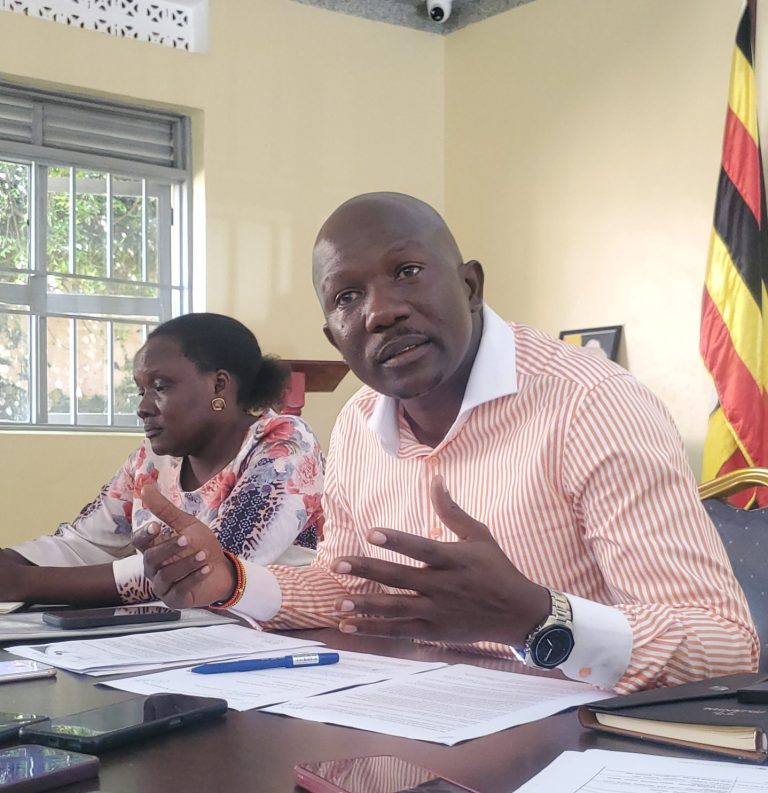
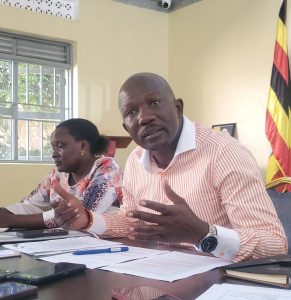
Voice 1: Bishop Emeritus JB Odama requesting government to accredit ARLPI
Violence in the Spotlight
His remarks came in the wake of widespread reports of voter bribery, intimidation, and clashes during the NRM primaries across the Acholi sub-region and the country at large. For many citizens, the bishop’s words gave voice to deep frustration with political violence.
“Intimidation and violence erode trust,” Odama stressed. “When elections are tainted, democracy itself is undermined. Uganda cannot afford that as we approach 2026.”
By linking ARLPI’s monitoring role directly to curbing violence, Odama framed the accreditation request as a peace and security measure rather than a religious privilege.
In response, Minister of State for Northern Uganda, Dr. Kenneth Omona, acknowledged the bishop’s concerns and underscored the role of religious leaders as society’s moral compass.
“When political leaders fail, you must never fail the people,” Omona told the gathering. “You are the hope of society.”
While he stopped short of committing to ARLPI’s accreditation, Omona agreed that transformation requires collaboration. “Leadership means moving people from point A to point B, and point B must always be better,” he said. “That journey cannot succeed without you, the religious leaders, guiding truthfully and fearlessly.”
Voice2: Minister Omona Kenneth appeals to the religious leaders to guide the citizens
He also echoed Odama’s concern about the youth, noting that alcohol abuse and idleness are crippling the potential of young people who should be driving Uganda’s transformation. “These young people are in your congregations every week. Use your pulpits to guide them,” Omona said.
A Call Beyond the Pulpit
Odama’s sharp tone marked a significant escalation in the role of religious voices in Uganda’s electoral debate. Traditionally seen as neutral mediators, faith leaders are now pushing for formal recognition as watchdogs of democracy.
Analysts suggest that if government grants ARLPI accreditation, it could set a precedent for other interfaith coalitions across the country to play a structured role in election monitoring. This, they argue, could help diffuse tensions in regions prone to violence and restore confidence in the electoral process.
Hope for 2026
As the workshop concluded, Odama returned to his central plea: “Let us promote a culture of peace, tolerance, and respect for the law. Let every Ugandan participate freely and safely in the electoral process. Violence must never again define our future.”
His message resonated strongly with the crowd. For citizens of Northern Uganda, still bearing scars of war and displacement, the prospect of peaceful elections is not just political—it is existential.

The bishop’s call positions ARLPI not merely as a moral voice but as a potential institutional guardian of Uganda’s democracy. By condemning violence in the ruling party’s primaries and demanding accreditation to monitor elections, Odama has placed religious leaders at the center of the struggle for electoral integrity.
Whether government heeds this call remains to be seen. But one thing is clear: as Uganda marches toward 2026, the battle for peace will be fought not just in political rallies and polling stations, but also from pulpits and prayer mats across the nation.