As Gulu City continues to grow, leaders are optimistic that this project will become a national model of inclusive, citizen-driven water service delivery, one that values every drop and every life it touches.
By Willy Chowoo
Gulu City | July 9, 2025 – In a transformative move to address water inequality and service inefficiencies, the National Water and Sewerage Corporation (NWSC) has launched a Prepaid Water Meter (PPM) project in Gulu City, aimed at improving access to clean, affordable water for the city’s low-income households.
Gulu is the second city in Uganda, after Kampala, to benefit from the smart water distribution system. Through 140 prepaid water hubs installed across the city, residents can now purchase water using digital tokens, eliminating middlemen, ensuring transparency, and lowering costs.
The 140 digital water vending hubs — locally referred to as “ATMs” — have been installed in key areas including Gulu Main, Laroo, Onyama, and Koro Abili.
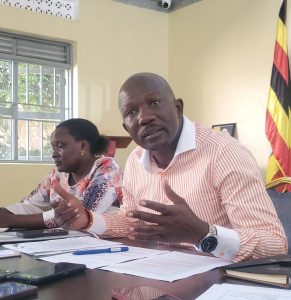
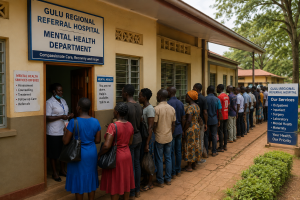
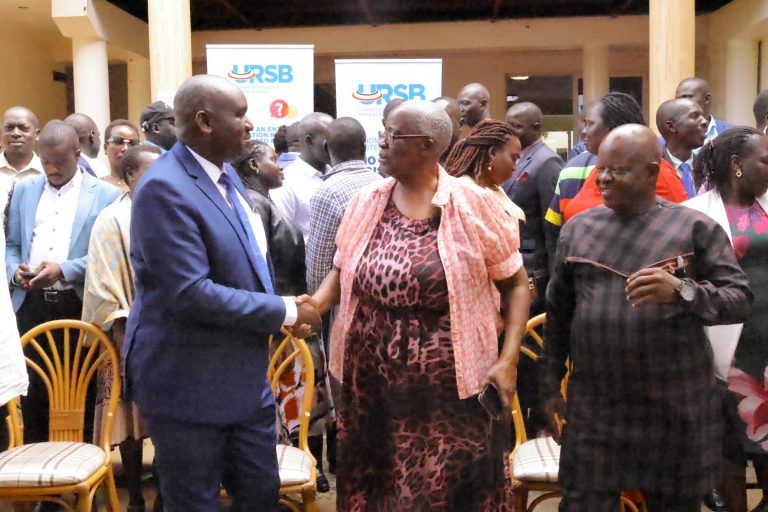
Speaking during a stakeholders’ meeting held at the Gulu City Health Boardroom, Nyamungu Proscovia, Senior Commercial Officer at NWSC Gulu, said the system would transform how communities’ access and pay for water.
“Each hub allows residents to draw water directly using a token. There’s no operator involved, and users can load as little as UGX 100 through mobile money. It’s safe, affordable, and available anytime,” she said.
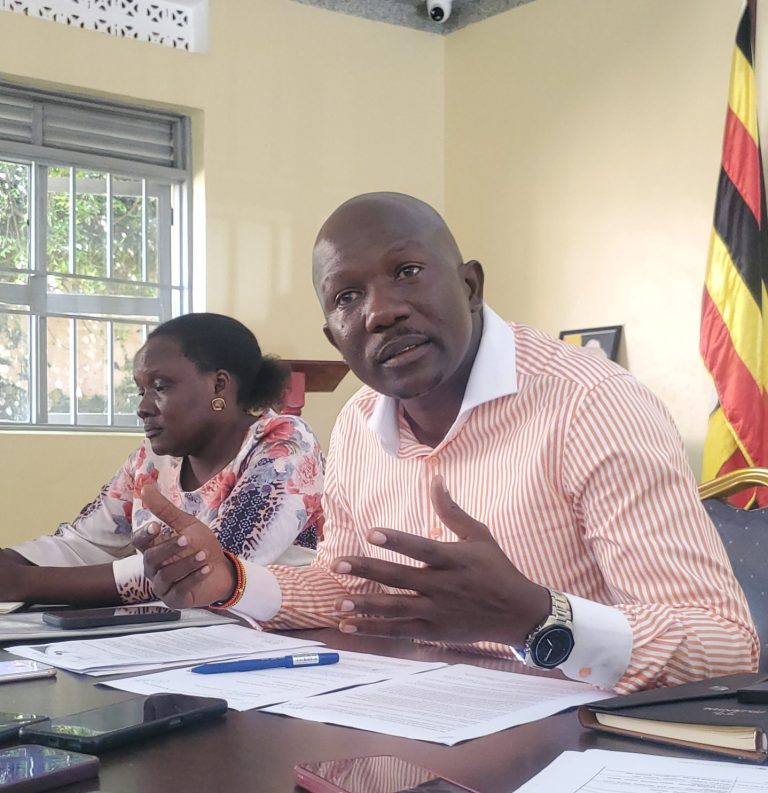
Voice #1: Ms Nyamungu Proscovia senior Commercial officer with NWSC explains the advantage of using PPM
Gulu City currently uses 6 million litres of water per day, mainly for households connected to the piped or post-paid water system. However, with the new innovation, daily water consumption is expected to rise to 20 million litres.
“We are very happy about this innovation. Water is life, and it is God’s intention that every human being should access it. This new prepaid system helps us reach even the poorest of the poor,” said Opio Anthony Vincent, Deputy Town Clerk in charge of Laroo-Pece city Division.
Voice#2: Deputy Town clerk in charge of Laroo-Pece City Division speaking about the new innovation
Torach Nobert, a resident of Holy Rosary Cell in Laroo-Pece City Division, could not hide his excitement after being enrolled on the Prepaid Water Meter (PPM) system.

“For years, we have been relying on a shallow water well near the lagoon in the city,” he said. “This innovation will save us from the burden of contracting waterborne diseases. I am very happy and grateful for this development.”
Torach represents many low-income residents who are enthusiastic about the introduction of prepaid water hubs. For people like him, the PPM system is more than just a technological shift—it’s a lifesaving solution. It offers not only clean and safe drinking water but also restores dignity and hope to communities that have long struggled with poor water access.
As more residents like Torach get registered, the enthusiasm is growing, signaling strong community buy-in and the potential for the system to significantly improve public health, hygiene, and household well-being in Gulu City.
Affordable, Transparent, and Community-Driven
For each 20-litre jerrycan of water from the PPM hubs, it costs only UGX 25, and users receive free tokens during registration, which only requires a passport photo, LC1 letter, and valid ID.
The system is designed to cut out inflated kiosk charges, which often exceeded the official rate. Instead of paying 100–500 shillings at traditional kiosks, residents now pay the exact regulated price.
“When you fetch less than 20 litres, the balance is automatically refunded to your token,” Nyamungu explained. “There’s no cheating, no wastage, and no intermediaries.”
Each hub serves up to 52 households, with the first rollout targeting 7,280 token holders. However, Tekakwo Ivan, the Regional NWSC’s Public Relations Officer, revealed that the number of intended beneficiaries will rise significantly.
“Our ultimate target is 21,000 customers across Gulu City,” Tekakwo stated. “We’re gradually expanding the system as more residents are sensitized, registered, and trained to use the hubs efficiently.”
A household that uses 10 jerrycans of 20 litres per day will spend UGX 250 daily, translating to UGX 1,750 per week and UGX 7,500 per month. a cost significantly lower than what is charged at traditional water kiosks. For example, a household that uses 10 jerrycans of 20 litres per day from traditional water kiosks would spend approximately UGX 30,000 per month, three times more than what they would pay using the prepaid metering system (PPM).
However, with only 7,280 households targeted for enrollment in the first phase of the digital system, this represents just 13.7% of the estimated 53,000 households in Gulu City, which has a population of 233,271 according to the 2024 National Housing and Population Census. Once the project expands to cover 21,000 households, approximately 39.6% of households in Gulu City will be on the prepaid system, in addition to those already connected to the conventional piped water network.

Caroline Rose Adong, Gulu City Secretary for Finance, Planning, and Administration—who also serves as the councilor representing persons with disabilities—urged NWSC to ensure that the prepaid water innovation is inclusive, particularly by making it accessible and user-friendly for people with hearing impairments.
Local Leadership Applauds the Initiative, Calls for Greater Collaboration
Opio Anthony Vincent, Deputy Town Clerk of Laroo-Pece Division welcomed the innovation but called for greater involvement of political leaders in selecting PPM locations.
“We our councilors know exactly where water is needed the most. Involving them in placement will ensure equity and success,” Opio said. “But overall, we are happy and grateful for this innovation.”
He also questioned whether the water was safe for drinking straight from the tap, noting that many urban residents still suffer from waterborne illnesses like typhoid. NWSC representative affirmed that the water meets national safety standards.
“Our water is safe, but it gets contaminated when the pipes are vandalized, due to theft, so we need to curb such behavior so that we have safe and clean water,” Nyamungu notes.
Ambrose Onoria, the Resident City Commissioner (RCC) of Gulu, commended NWSC for bringing essential services closer to the people but warned residents against vandalizing the prepaid water hubs.
“We are aware that NWSC has the mandate to remove hubs from areas where they’re being mismanaged,” she cautioned. “Let us embrace all government programs and protect this infrastructure. It is for our own benefit.”
Her remarks underscored the importance of community ownership and collective responsibility in ensuring the sustainability of the project.
Gulu City Deputy Mayor, Christine Olok, applauded the National Water and Sewerage Corporation (NWSC) for prioritizing the expansion of clean and affordable water access to underserved and low-income communities, particularly those in peri-urban and rural parts of the city who are often unable to enroll in the conventional postpaid water system.
She emphasized that the plan to register up to 21,000 households onto the prepaid water meter (PPM) system marks a significant step toward ensuring universal access to safe water.

“As leaders of the city, we feel blessed to be accorded the first pilot of this innovation outside Kampala,” Olok remarked. “With this venture, there is no doubt that water shall become more affordable, accessible, and reliable, for every resident—regardless of income level—to benefit from this essential service.”
Inspired by Kampala’s Success
The Gulu pilot is modeled on Kampala’s successful PPM system, which drastically reduced household water expenses in informal settlements. Wesonga Edward Roney, PPN consultant with Ficthner, Water, and Transportation, undertaking the PPM, said the technology was upgraded to include mobile money and tap-to-pay features.
“In Kampala, people used to spend UGX 5,000–15,000 weekly on water. Now with just UGX 2,000, a household can get up to 80 jerrycans. That’s economic relief,” he said.
The system also reduced the exploitation of the poor, especially in slums where some vendors charged UGX 500 per jerrycan. In addition, the placement of hubs within 10 to 20 meters from households has drastically reduced the time and burden—especially for women and girls—who previously walked long distances to fetch water.
As of December 2018, there were over 130,000 customers connected to piped water in Gulu Town under NWSC
In NWSC’s context, a “customer” typically refers to a household or commercial connection. This latest explicit figure dates back to 2018. NWSC has since expanded services significantly through Phase 1 (completed 2020) and Phase 2 (targeting completion by mid‑2024), aimed at serving over 341,000 to 484,000 people across Gulu and surrounding towns
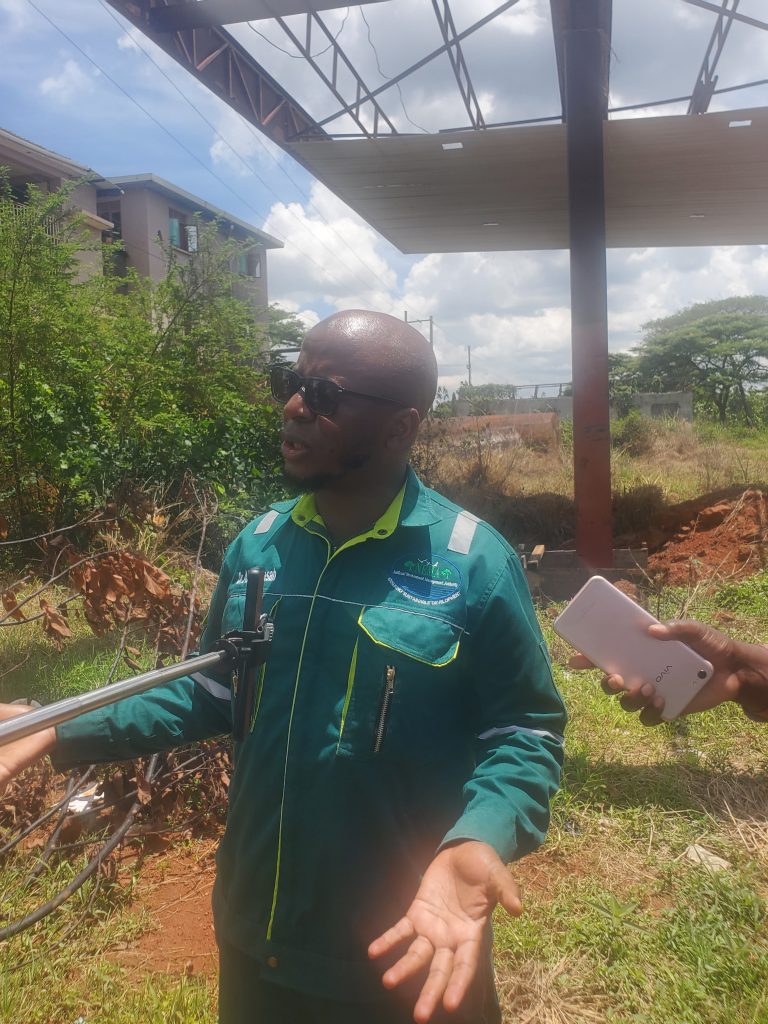
Voice #3: Mr Wesonga Edward Roney speaking on how PPM changed water system in Kampala as the first City to benefit from it
A Vision for Dignity and Sustainability
PPM hubs are already active in Gulu Main, Laroo, Onyama, Koro Abili, and other areas. NWSC has trained local caretakers, pinned user manuals on each hub, and continues to register residents in Bar-Dege, Limu, Obiya East, and among others.
The design of the PPMs ensures they’re user-friendly, and the data generated allows for better planning and expansion in future phases.
“This innovation is a gateway to dignity, health, and improved livelihoods,” Tekakwo emphasized. “It aligns with our mission to ensure safe and clean water for all.”
As Gulu City continues to grow, leaders are optimistic that this project will become a national model of inclusive, citizen-driven water service delivery, one that values every drop and every life it touches.