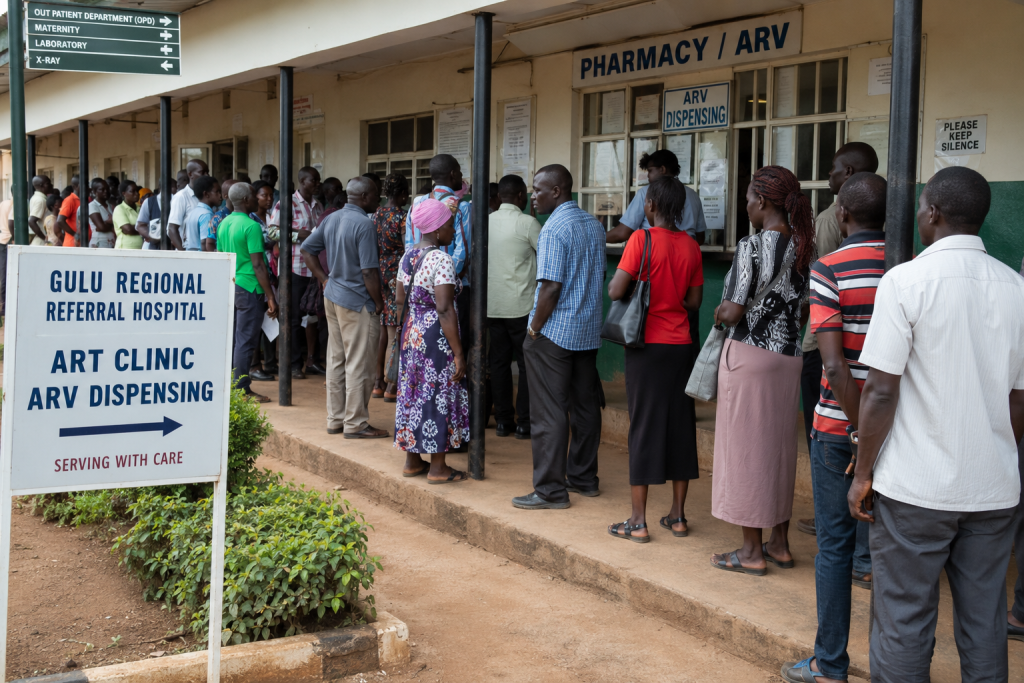
PrEP—short for Pre-Exposure Prophylaxis—is a medication taken by HIV-negative individuals to significantly reduce their risk of contracting the virus.
By Willy Chowoo
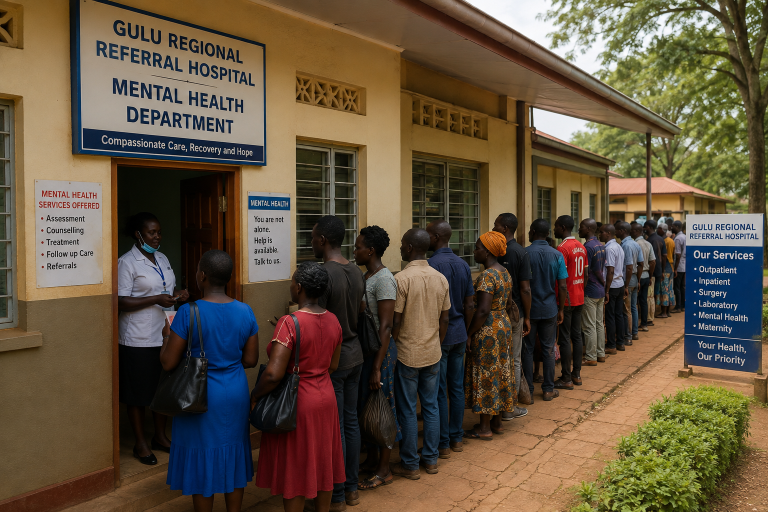
Health experts in Gulu City have raised concern over the low uptake of Pre-Exposure Prophylaxis (PrEP), an HIV prevention method, warning that it could lead to a rise in new infections.
PrEP—short for Pre-Exposure Prophylaxis—is a medication taken by HIV-negative individuals to significantly reduce their risk of contracting the virus.
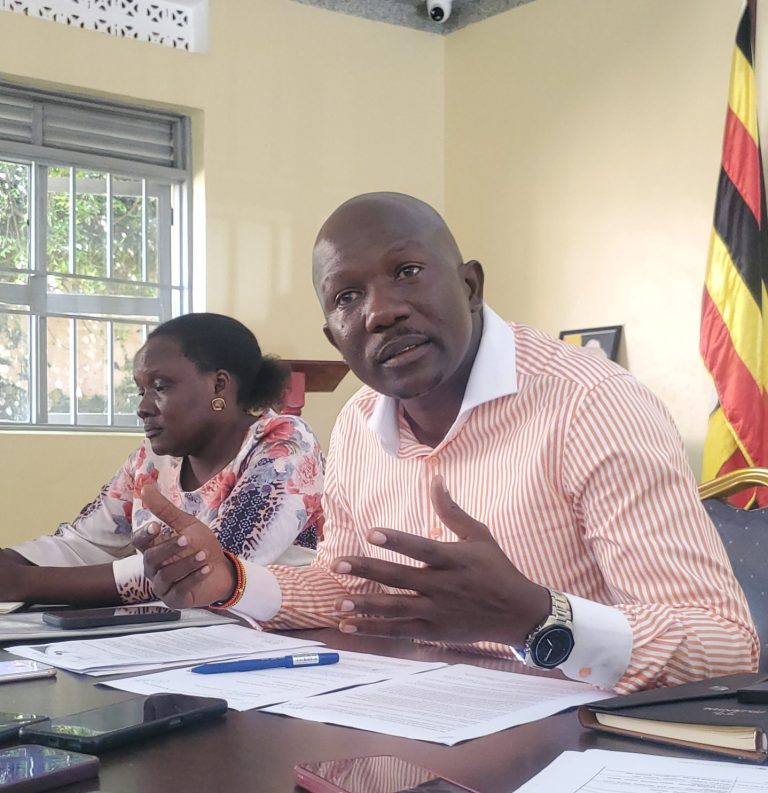
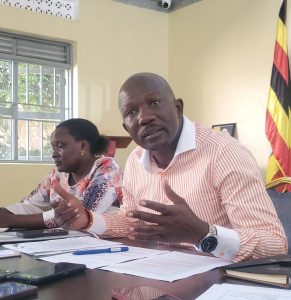
Dr. Ayo Mary Stella, a Senior Medical Officer and in charge of Bardege Health Centre III, Gulu City, says recent data indicates that only a small proportion of eligible individuals are accessing the service.
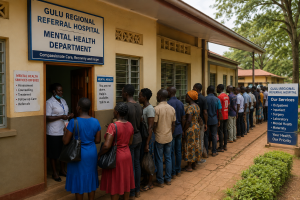
Data from Gulu Regional Referral Hospital shows that 497 people enrolled for PrEP in April and May 2026. The majority were aged 25–29 (167 people), followed by those aged 30–34 (114). Notably, no individuals above 50 years enrolled.
At Bardege Health Centre III, 114 people were assessed for PrEP in the first quarter of 2026, but only 52—representing 45.6%—were enrolled. Among those enrolled were 38 pregnant women, five breastfeeding mothers, and 19 individuals from other categories.
Dr. Ayo notes that the facility serves between 1,000 and 1,400 patients monthly, making the PrEP uptake relatively low.
“This eligibility of enrolling only 52 in three quarters is a very small number, and we continue to get HIV positive people”, Dr Ayo urges people, “so we would like to call upon people who are eligible to come and get PrEP.”
Bardege HCIII serves a population of 17,052 residents, with a high patient turnout at its outpatient department.
Medical experts emphasise that oral PrEP reduces the risk of HIV transmission through sex by up to 99% when taken consistently. However, it does not protect against other sexually transmitted infections or unintended pregnancies.
Gulu City HIV Focal Person, Amito Florence, attributes the low uptake primarily to limited awareness among the target population. She made the remarks during a Health Café for Journalists organised by the Health Journalists Network Uganda with support from HEPS.
HIV Situation in Gulu City
Gulu City remains one of the areas with a high HIV burden, with a prevalence rate of 9%, compared to the national average of 7%. Between January and March 2026, the city recorded 480 new infections—figures that continue to worry health officials despite the availability of PrEP across health facilities.
Under the current HIV treatment policy, individuals who test positive are enrolled on antiretroviral therapy (ARVs) immediately, unlike in the past when treatment initiation was delayed.
Amito reports that 96% of newly diagnosed individuals have been enrolled into care, with 89% achieving viral suppression.
“We test you now, you are HIV positive, we give you a period of seven days to decide whether to enroll on ARV or not, not like before,” she adds.
The city has 22,439 people living with HIV, with the highest proportion (51.5%) in the 30–49 age group. Women account for 65.9% (14,802) of infections, compared to 34.1% (7,637) among men. People aged over 50 make up 32.7% (7,341) of cases, while children aged 0–9 account for just 1% (220), largely due to the success of Prevention of Mother-To-Child Transmission (PMTCT) programs.
Dr. Ayo links the high infection rates to factors such as risky behaviour among adolescents, peer pressure, economic vulnerability, and substance abuse.
Expanding HIV Prevention Options
HIV prevention strategies have evolved, from traditional approaches like ABC (Abstinence, Be faithful, Condom use), PMTCT, and Post-Exposure Prophylaxis (PEP), to newer innovations such as oral and injectable PrEP.
Before enrollment, individuals interested in PrEP undergo several screening tests to determine eligibility.
“Our interest is to increase utilisation; if we prevent new infections”, Dr Ayo notes, “we should be able to reduce new infections to almost zero, because we must prevent rather than cure.”
Additional prevention options include vaginal rings containing antiretroviral drugs, which are inserted and remain effective for up to a month.
“So, we encourage you to test; that vargina ring releases ARV slowly so that it prevents infections,” Dr. Ayo adds.
The Ministry of Health is also introducing Lenacapavir, a long-acting injectable PrEP administered every six months. At Gulu Regional Referral Hospital, 40 individuals have already received the injection.
Lenacapavir works by preventing HIV from entering cell nuclei, thereby stopping the virus from multiplying.
Susan Kipwola, one of the beneficiaries and a trained community health facilitator, has been actively mobilizing communities to embrace PrEP.
“We were the first group to receive PrEP Injection from GRRH; there is nothing bad”. Kipwola notes, “If you put it and family Planning, you find yourself free from HIV and pregnancy, but you only worry about other STIs.”
Health workers have, however, cautioned against misuse of preventive methods, urging responsible behaviour.
Impact of Aid Cuts and Loss of Patients
HIV services in Gulu City have also been affected by funding cuts linked to decisions by U.S. President Donald Trump. The withdrawal of NGO support led to integration of services, but also disrupted patient follow-up.
Amito says many patients stopped taking ARVs during this transition.
“Some patients abandoned taking ARV medication, yet once you are on medication, you are supposed to be friends forever to ARV for life.”
She adds that reduced funding limited the ability of support staff to track patients.
“We have lost a very large number of clients because most of our support staff, all the people who were responsible for follow-up and for taking drugs to the community, were supported by those NGOs that suddenly stopped.” She adds.
Despite these challenges, drug supplies remained stable in health facilities.
Renewed Efforts to Reconnect Patients
In response, the government integrated health services across facilities to ensure continuity of care.
Amito says this approach has improved service delivery by allowing multiple interventions during outreach activities.
Community-based strategies are also being used to trace patients who dropped out of care. Village Health Teams (VHTs) and community facilitators are playing a key role in reconnecting patients to treatment.
“Using local structures, VHTs started looking for them to get back to treatment.” She maintained.
Health workers are also using patient records and phone calls to follow up on missed appointments.
At Bardege HCIII, Dr. Ayo says community linkage facilitators have been instrumental in reducing loss to follow-up.
“We call the clients to follow them, not only for the missed cases, but as reminders to try to reduce the number of lost clients.”
Similarly, TASO in Gulu City is using community networks to trace clients among the 8,900 enrolled in ARV services. According to Clinical and Linkage Officer Opok Martin, patients who have missed medication for more than three months undergo thorough reassessment before resuming treatment.
Through these combined efforts, health workers remain hopeful that improved awareness, community engagement, and expanded prevention options will boost PrEP uptake and reduce new HIV infections in Gulu City.