For the first time in years, the Ministry of Health is beginning to address these gaps. According to Dr. Mugaihi, health facilities are being upgraded to include ramps for easier access, wheelchairs are being distributed, and special delivery beds for mothers with disabilities are being procured.
By Chowoo Willy
GULU, Uganda – For too long, people with disabilities have been invisible in Uganda’s sexual and reproductive health and rights (SRHR) services. Health units without ramps and signers, delivery beds designed only for able-bodied mothers, and health workers untrained in disability-sensitive care have excluded thousands from accessing essential services.
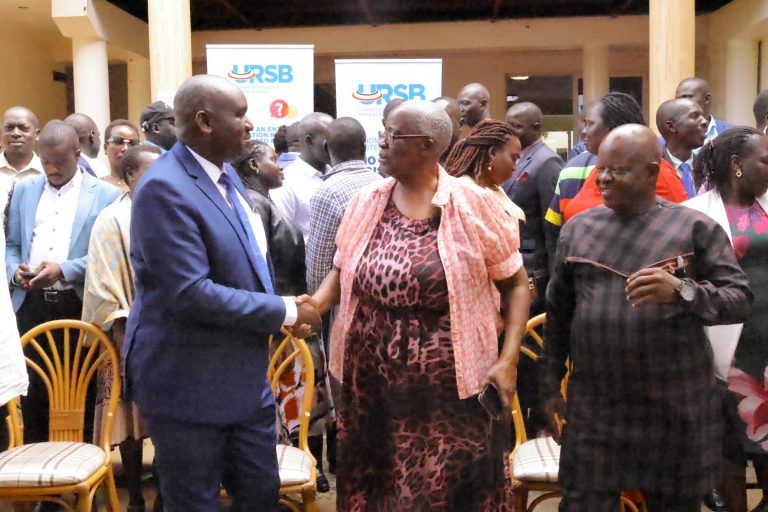
At the International Conference on Sexual and Reproductive Health and Rights organised by CIHRT, taking place in Gulu City, Uganda’s Commissioner for Sexual Reproductive and Infant Child Care in the Ministry of Health, Dr. Richard Mugaihi, admitted that the system has not done enough.
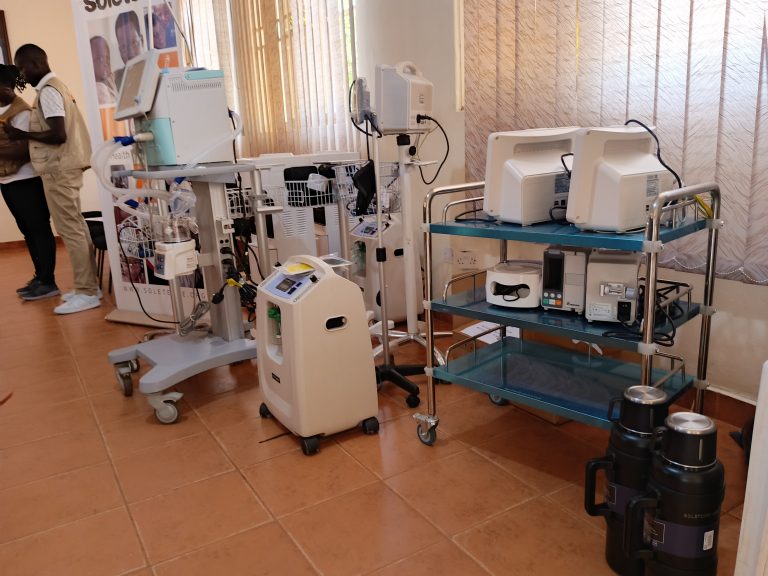
Dr, Mugaihi said the ministry is procuring delivery beds specifically for the disabled people. “People with disabilities have unique needs. Others cannot hear, some have physical limitations, but they too get pregnant. They need special services,” Dr. Mugaihi told journalists.

For the first time in years, the Ministry of Health is beginning to address these gaps. According to Dr. Mugaihi, health facilities are being upgraded to include ramps for easier access, wheelchairs are being distributed, and special delivery beds for mothers with disabilities are being procured.
The commissioner added that they have also come out with a deliberate movement to train health workers on how to manage people with disabilities. “In addition, there is a deliberate push to train health workers in how to manage patients with disabilities respectfully and effectively,” Dr Mugaihi notes.
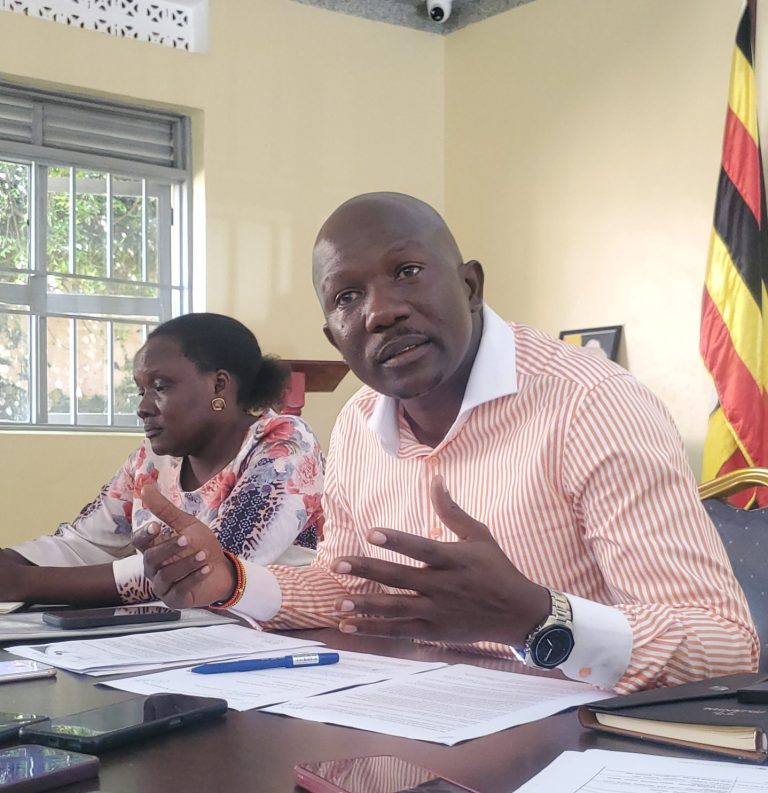
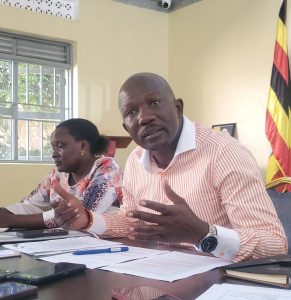
Voice #1: Commissioner Dr. Mugaihi speaking about universal accessibility
However, challenges remain. Despite supportive policies, implementation remains a challenge. Dr. Pebalo Francis Pebolo, a lecturer at Gulu University and principal investigator the University’s SRHR Resource Centre, shared a telling experience from a medical outreach camp in Lira:
“There was a lady who could not speak, and we were supposed to use sign language. We had to wait for about an hour to get someone to translate. Even then, most sign language is in English. Families often try to communicate, but some patients feel misunderstood and end up managing by themselves. This becomes tricky when someone is pregnant or has just delivered.”
Dr. Francis emphasized that these communication barriers are compounded by limited infrastructure and lack of trained personnel, leaving people with disabilities at risk of poor health outcomes.
“As a country, we need to look into this,” he said, calling for more inclusive strategies and discussions at the national level.
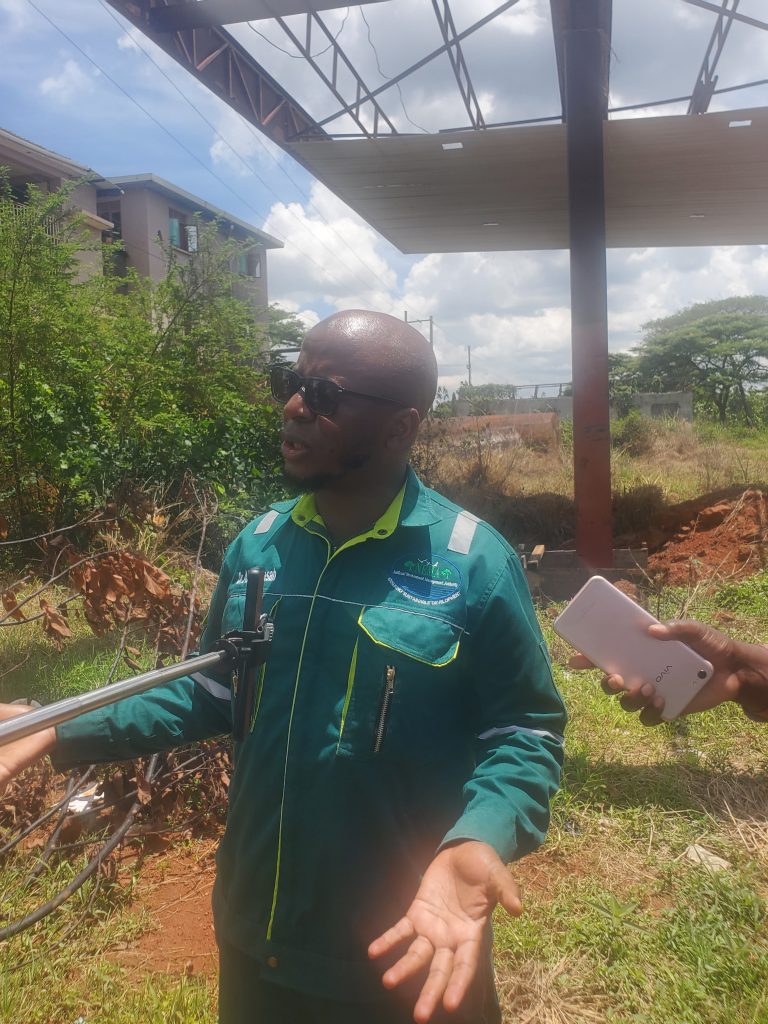
Voice #2: Dr. Pebalo shares experience on working with hearing-impaired patient
Dr. Solomon Geza, Director Technical at centre of Center for International Reproductive Health Training CIRHT, added that while Uganda has policies and guidelines to ensure disabled client’s access SRHR services, translating policy into practice remains a significant challenge.
“The issue is where to start. Which disabilities are most vulnerable? Evidence shows that women with disabilities face the highest risks if services are unavailable. They are the most vulnerable, yet often the most ignored.”
He stressed the importance of provider training, pointing out that even when translators are available, health workers frequently lack the skills to provide specialized care.
“This is a work in progress, but it is critical. We need to ensure the policy framework is matched by actionable implementation.”
Dr. Solomon Geza noted that persons with disabilities remain among the most vulnerable, yet they are often ignored within the health system. “Although we have translators to help with such issues, many providers do not know how to deliver specialized care for individuals with disabilities. That is a problem we have to deal with,” he said.
Voice #3: Dr Geza speaks about the need to address SRHR for the hearing-impaired communities.
Left Behind
The World Health Organization estimates that 15 percent of the global population lives with some form of disability. In Uganda, where access to health services remains unequal, disability often compounds existing vulnerabilities.
Studies show that women with disabilities face higher risks of sexual violence, unintended pregnancies, and complications during childbirth. Yet, many fears visiting health facilities because of stigma or the inaccessibility of infrastructure.
“Sometimes, it’s not that services don’t exist—it’s that they are designed as if people with disabilities don’t exist,” said a Gulu-based disability rights activist who attended the conference.
Babiriye Patience Gloria, who is hard of hearing, says the lack of sign language interpreters in health facilities has denied people like her access to vital information on sexual and reproductive health. She appealed to government to train health workers on how to respond to the needs of the hearing-impaired.
“When you go to the health center, you feel intimidated and shy. People assume we are not sexually active like others. We cannot express ourselves or discuss our challenges, and that discrimination has left us behind when it comes to sexual and reproductive health,” Babiriye said.
Voice #4: Babiriye shares her experience in the health unit as hard-to-hearing patient.
Uganda’s Persons with Disabilities Act (2020) guarantees accessible healthcare and mandates the use of reasonable accommodations, including sign language. Similarly, the Ministry of Health’s Community Health Extension Strategy (2021–2025) encourages inclusive service delivery for marginalized groups.
These efforts are aligned with SDG 3 (Good Health and Well-being) and SDG 10 (Reduced Inequalities), which call for universal health coverage and equal access for people with disabilities.
However, most rural health facilities in Uganda remain unprepared to serve deaf patients, and interpreters are not yet integrated into the national healthcare workforce. This is an area where the government needs to invest more.
In 2024, the government announced a plan to recruit sign language interpreters and deploy at least one to each Health Centre IV and Health Centre III across the country. However, nearly a year later, no interpreter has been deployed. According to the plan, the first batch of recruitment would bring in 292 sign language interpreters—far below the 3,194 government health facilities recorded in the Ministry of Health’s 2020 report.
Under the Sign Language for ALL program, the FACES Project recently trained a group of health workers in Lira and Gulu cities on basic sign language interpretation to help bridge the communication gap at health facilities. However, the initiative reaches less than one percent of the country’s health units—both government and private—leaving a vast majority of people with hearing impairments without meaningful access to sexual and reproductive health services.
Small Steps, Big Gaps
 The Ministry of Health’s efforts mark progress, but questions remain about whether they are enough. Ramps and delivery beds are vital, but advocates say they only scratch the surface.
Dr. Mugaihi admitted as much: “We have not done too much, but we have started something for the people with disabilities. In the next few years, we should be doing more.”
Disability inclusion in SRHR cannot be separated from broader sexual and reproductive health challenges, such as teenage pregnancy. Dr. Mugaihi emphasized:
“The problem of teenage pregnancy is not a breakdown in the health system. The problem is at the community level. Parents, cultural leaders, schools, and the community have a role.”
The Human Face of Exclusion
 For women with disabilities, exclusion from SRHR services often translates into life-threatening situations. In Northern Uganda, where maternal deaths remain high, the risks are magnified for disabled mothers.
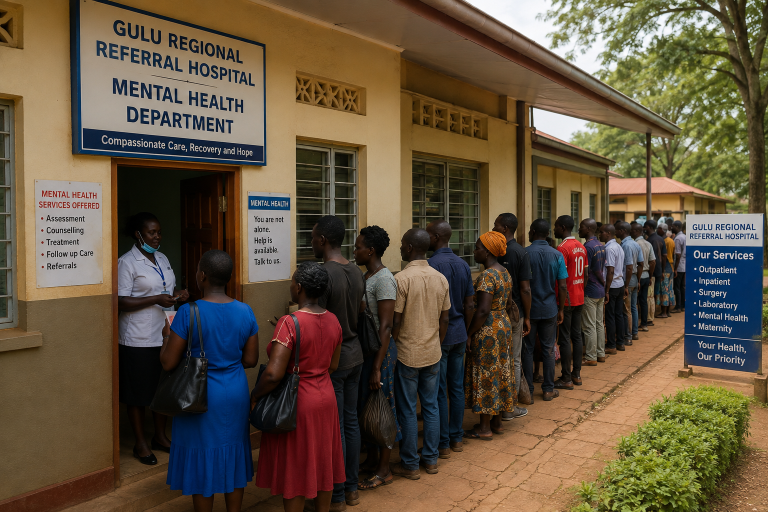
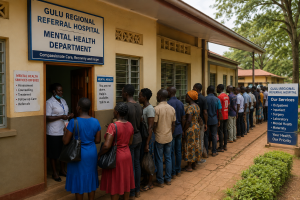
A midwife at Gulu Regional Referral Hospital explained: “We see mothers who cannot use our standard delivery beds. Some have to deliver in very uncomfortable positions, which can be dangerous. Without proper equipment, both the mother and baby are at risk.”
For deaf women, communication barriers mean critical instructions during antenatal care or delivery may go misunderstood, leading to poor outcomes.
Experts argue that focusing only on infrastructure risks missing the bigger picture. Disability inclusion in SRHR must also tackle attitudinal barriers. Health workers sometimes treat people with disabilities as asexual or incapable of making reproductive choices, reinforcing stigma.
“There is still a mindset in society that women with disabilities should not even think about motherhood,” said Bony Okoda a member from the Uganda National Association of the Deaf. “But they have the same rights as everyone else. They deserve respectful maternity care.”
Towards True Inclusion

As Uganda pushes towards universal access to SRHR, leaving no one behind will mean scaling up investments, not only in equipment but also in human resource training and public awareness.
The Gulu conference offered a platform to elevate these concerns, and Dr. Mugaihi’s remarks signaled a shift in government recognition of the issue.
Looking Forward
Uganda has reduced maternal mortality by more than 60 percent in the past two decades, but unless reforms reach the disabled, progress will remain uneven.
The first ramps, delivery beds, and training sessions are promising starts. Yet, until every woman—regardless of disability—can walk into a clinic, communicate with her doctor, and deliver her child safely, Uganda’s SRHR system will remain incomplete.
“People with disabilities also get pregnant,” Dr. Mugaihi reminded delegates. “They deserve the same care, dignity, and safety as any other mother.”
For now, Uganda is taking steps forward. The challenge is ensuring they are not too small, too slow, or too late.